
Aji verde sauce is Peru’s beloved creamy green condiment, built on blended ají peppers, cilantro, garlic, oil and lime, whipped into a silky cold emulsion with mayonnaise, cheese or yoghurt. The simplest authentic version takes roughly 15 to 20 minutes to blend plus a short chill, and yields about 300 to 350 grams, enough to dress a week’s worth of dinners.
TL;DR:
- Using ají amarillo paste or fresh peppers, a typical batch balances 200 grams of pepper, cilantro, garlic, oil, mayo or yoghurt, cheese, lime, and salt.
- Proper emulsion requires slow oil addition while blending on high speed, with re-blending or additives like egg yolk or mustard to repair split sauces.
- Variations include vegan options with cashews or aquafaba, and adjustments for milder or hotter flavors by modifying pepper seeds and ingredients.
- Aji verde pairs well with roasted chicken, fries, empanadas, and can be used as a salad dressing or dip, served cold for the best texture.
- It keeps refrigerated for 7 to 10 days, can be frozen for two months with some texture loss, and ready-made versions are available for convenience.
Table of Contents
- What goes into aji verde sauce (ingredients and substitutions)
- Equipment, yield and the 2:1:1 ratio
- How do you make aji verde sauce step by step?
- Why does the emulsion split, and how do you fix it?
- Vegan, smoky and extra-hot variations
- What can you serve aji verde sauce with?
- How long does aji verde sauce keep?
- The Senor Empanada take on pairing sauce and filling
- Prefer a ready-made aji verde sauce?
- Sources
- FAQ
What goes into aji verde sauce (ingredients and substitutions)
At its heart, aji verde is a balance of five elements: a pepper base, a herb, an aromatic, a fat, and an acid to hold it all together. Get those five right and you have earned the name, regardless of which exact brand of chilli sits in your fridge.
For a yield of roughly 300 to 350 grams (about 1 to 1.5 cups), here’s what we build from at Senor Empanada when we test a batch:
- 200 g ají amarillo paste or 4 to 6 fresh ají amarillo/ají limo peppers, seeded
- 1 cup (about 100 g) fresh cilantro, leaves and tender stems
- 2 to 3 cloves garlic
- 100 g (about ½ cup) neutral oil, such as rapeseed or a light olive oil
- ½ cup mayonnaise, Greek yoghurt, or ½ cup soaked cashews for a dairy-free version
- ¼ cup queso fresco, Cotija, or Parmesan, finely grated
- Juice of 2 to 3 limes, added in stages
- Salt to taste, roughly 1 teaspoon to start
True ají amarillo is hard to find fresh outside specialty grocers, so ají amarillo paste is the most reliable stand in, and it’s what most Peruvian home cooks reach for anyway. Jalapeño or serrano work as accessible substitutes, though they carry less fruitiness and a sharper, greener heat, so taste as you go and add a spoonful of aji paste if you want that characteristic backbone. Cilantro carries most of the aromatic weight in home versions; you can include the stems, they’re less bitter than people assume and add real herbal intensity. Common ingredient lists confirm cilantro, garlic, lime and a mayo or cheese base as the consistent core across recipe traditions. Mayonnaise gives the smoothest, most restaurant-style texture; Greek yoghurt lightens it; cashews make it vegan without sacrificing body.
Equipment, yield and the 2:1:1 ratio
You don’t need specialty gear here, just a blender or food processor powerful enough to shear oil into tiny droplets, a rubber spatula, and clean jars for storage. A fine sieve is optional but worth having if you want a glassy, restaurant-smooth finish rather than a rustic one.
Scaling is where most home cooks overthink it. A working ratio, by weight, is generally about 2 parts ají to 1 part cilantro to 1 part oil, alongside suitable amounts of garlic, lime juice, and salt. This yields roughly a cup to a cup and a half of sauce for moderate batch sizes.
That batch yields roughly 350 g of sauce, scaling almost linearly by mass if you need double or triple for a party. Prep time is about 10 minutes, blending another 5 to 10, and a rest in the fridge for a while completes the sauce.

How do you make aji verde sauce step by step?
Aji verde comes together in three stages, and the order matters more than most recipes let on. Rushing the oil stage is the single biggest reason home versions split or taste flat.
- Coarse blend first. Combine the ají peppers or paste, cilantro, garlic, and about half your lime juice in the blender. Pulse until you get a rough, watery purée. This step releases the peppers’ pigments and builds the aqueous base your emulsion will eventually cling to.
- Stream in the oil on high speed. With the blender running, drizzle the oil in slowly, a thin thread rather than a splash. Watch for the mixture to thicken and take on a glossy sheen, that’s your emulsion forming. Add the mayonnaise or yoghurt and cheese here too, blending until fully smooth. The most common mistake is dumping the oil in all at once; it overwhelms the mixture before it can shear into fine enough droplets, and you end up with something greasy rather than creamy.
- Thin, season and rest. Add the remaining lime juice to loosen the sauce to a pourable but still thick consistency, then adjust salt. Push the sauce through a fine sieve if you want a completely silky finish free of fibrous cilantro bits. Transfer to a jar and rest it in the fridge for 30 to 60 minutes before serving; resting improves both emulsification and colour retention.
Pro Tip: If your emulsion looks thin or oily rather than creamy after blending, don’t panic. Stop the blender, scrape down the sides, and restart on high speed while adding one extra tablespoon of oil in the slowest possible stream. If it still won’t come together, crack in one egg yolk or a teaspoon of Dijon mustard, both work as backup emulsifiers, and blend again from a low speed up to high.
Why does the emulsion split, and how do you fix it?
An emulsion is oil suspended as microscopic droplets inside a watery herb and lime base, held there by mechanical force and a few natural stabilisers. Cilantro’s saponins and proteins from lime and dairy help anchor that interface, but the structure is fragile until it sets.
Three things break it:
- Adding oil too fast, so droplets clump instead of dispersing evenly
- Insufficient blending speed or time, leaving the shear force too weak to break oil into fine enough droplets
- Too much acid added at once, which can overwhelm the protein network before it stabilises
If your sauce separates, whether right after blending or a day later in the fridge, re-blend it on high speed while streaming in a small amount of fresh oil. An egg yolk or a spoonful of mustard gives the mixture something extra to bind to if a straight re-blend doesn’t hold.
Colour is the other fragile variable. Staging your lime juice, some early, some at the end, limits chlorophyll oxidation and keeps the sauce vividly green rather than the drab olive you get from dumping all the acid in upfront. Never heat the sauce for any reason; heat accelerates that same oxidation and will dull the colour within minutes. A correctly emulsified sauce should coat the back of a spoon without pooling and hold a ribbon shape for two or three seconds when drizzled, that’s your visual test for done.
Vegan, smoky and extra-hot variations
The five-part structure (pepper, herb, aromatic, fat, acid) holds even when you swap every dairy element out, which makes aji verde one of the more forgiving sauces to adapt.
- Vegan or dairy-free: swap mayonnaise for soaked raw cashews blended smooth, or use silken tofu for a lighter, less rich body; aquafaba (the liquid from a tin of chickpeas) can replace egg-based mayo entirely, though the sauce will be slightly thinner and needs a touch more salt to compensate for lost dairy sodium.
- Milder: remove all seeds and the white pith from your peppers, or swap in half the quantity of jalapeño and bulk the rest out with extra cilantro.
- Hotter: leave some seeds in, add a fresh serrano alongside your ají, or stir in an extra spoonful of aji amarillo paste at the end.
- Huacatay note: if you can source huacatay paste (Peruvian black mint), add about a teaspoon per 300 g batch for the authentic aromatic note. Most home cooks outside Peru simply omit it rather than reach for a weak substitute, and the sauce remains recognisably ají verde as long as the pepper backbone and emulsion are right.
What can you serve aji verde sauce with?
Aji verde earns its place on the table because it cuts through rich, fried and roasted foods without dulling their flavour, a genuine workhorse condiment rather than a garnish.
- Classic pairings: pollo a la brasa (Peruvian roast chicken), yuca fries, papas fritas, and grilled meats
- Snack pairings: dolloped over empanadas or spread thin inside a sandwich for a bright, herbaceous contrast
- Contemporary uses: as a taco sauce, whisked thinner with extra lime for a salad dressing, swirled into rice bowls, or spooned over fried or poached eggs
Serve it cold, straight from the fridge; it never needs to come to room temperature the way a tomato-based sauce might. A squeeze bottle gives you neat, controlled lines over a plate of fries, while a small dish for dipping suits a shared appetiser spread. Start with a tablespoon per serving and let people add more, the heat builds faster than the colour suggests.
How long does aji verde sauce keep?
Refrigerated in an airtight jar, aji verde keeps well for 7 to 10 days. Press a layer of plastic wrap directly onto the surface before sealing the lid, this excludes air and slows both oxidation and colour fade. A thin layer of oil separation on top after a few days is normal; stir it back in before serving rather than pouring it off.
- Freezing: possible for up to two months, but expect some texture change on thawing, particularly with mayo-based versions, which can turn slightly grainy. Freeze in small, single-serve containers and thaw in the fridge overnight, then re-blend briefly to restore the emulsion.
- Food safety: mayo or egg-based versions are more perishable than acid-heavy, dairy-free versions and should be treated with the same care as any fresh mayonnaise, don’t leave them at room temperature for more than an hour or two. Cashew or aquafaba versions, being more acid-stabilised, hold slightly longer but should still be refrigerated promptly.
The Senor Empanada take on pairing sauce and filling
We’ve spent years matching sauces to fillings, and aji verde earns its keep because it does something few condiments manage: it brightens without competing. A well-balanced batch, correctly emulsified and properly rested, cuts through the richness of a slow-braised beef filling the same way it cuts through fried chicken skin at a Peruvian rotisserie counter.
Our Traditional Beef Empanada takes to aji verde particularly well, the acidity lifts the savoury filling rather than masking it. The Cheesy Empanada is the trickier pairing; because both the filling and a mayo-based aji verde carry dairy richness, we lean toward a yoghurt-based version there to keep the plate from feeling heavy. Consistency in your own kitchen comes down to the same discipline we apply in ours: weigh your ingredients rather than eyeballing them, and never skip the rest period, it’s doing more work for the final texture than most cooks give it credit for.
— Senor Empanada
Prefer a ready-made aji verde sauce?
Homemade aji verde rewards the effort, but not every night calls for pulling out the blender and weighing five ingredients. Senor Empanada is the practical alternative for anyone who wants that authentic bright, garlicky heat without the prep, no chopping cilantro at 6pm on a Tuesday, no emulsion troubleshooting required.
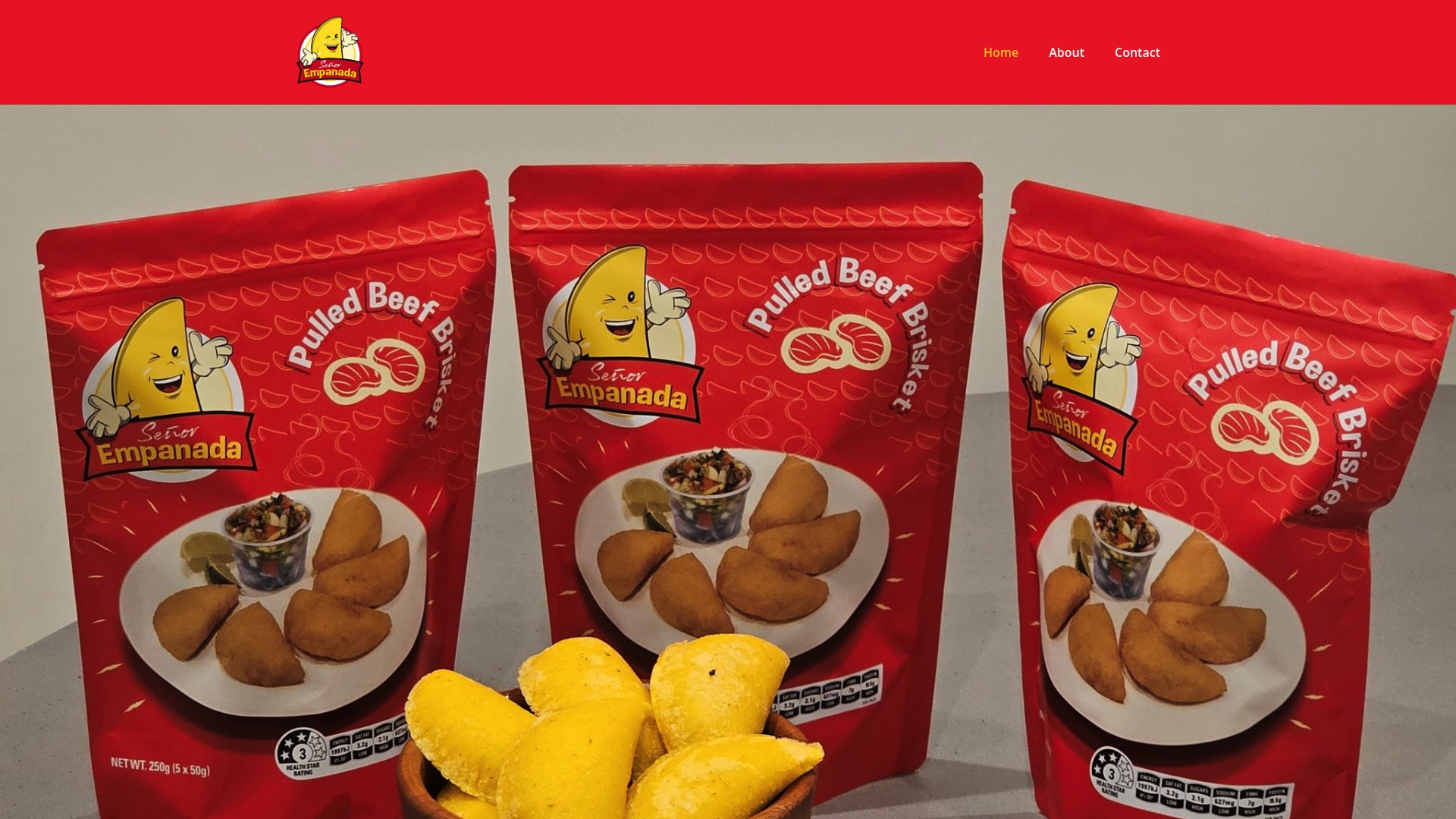
Our range of empanadas and sauces is built from the same traditional recipes and premium ingredients we’d use at home, so you get the balance of pepper, herb and creamy body without guesswork. Keep a jar in the fridge for weeknight fries, roast chicken, or straight out of the packet alongside a batch of our empanadas. The honest caveat: nothing beats the punch of a sauce blended and rested that same afternoon, so if colour and heat intensity matter most to you, making your own still wins on freshness and personal control. For everything else, browse our sauces and empanadas and see which flavours suit your table.
Sources
FAQ
What is aji verde sauce made of?
Aji verde is made from a blended pepper base (typically ají amarillo, jalapeño or serrano), cilantro, garlic, oil and lime juice, creamed with mayonnaise, yoghurt or cheese. Common recipe traditions confirm this five-part structure across most authentic and home-style versions.
How do I make Peruvian aji verde sauce?
Blend your pepper base, cilantro, garlic and half the lime juice into a coarse purée, then stream in oil on high speed until it thickens into a glossy emulsion. Add your creamy element, thin with the remaining lime juice, season with salt, and rest the finished sauce in the fridge for 30 to 60 minutes before serving.
Is aji verde sauce spicy?
Aji verde carries a moderate, herbaceous heat rather than a fiery burn, since the pepper flavour is balanced by cilantro, garlic and a creamy binder. You can push it hotter by leaving seeds in your peppers or milder by using less pepper and more cilantro, adjusting to your own tolerance.
Where can I buy aji verde sauce?
Senor Empanada sells ready-made sauces alongside its range of empanadas, offering a convenient option when you want authentic flavour without blending your own batch. Current pricing and availability are listed on the site.
Is aji verde the same as aji amarillo sauce?
No. Aji verde is the creamy green herb-forward sauce built on cilantro and a pepper base, while aji amarillo sauce is a more concentrated, yellow chilli-forward condiment made primarily from the ají amarillo pepper itself. They share a family resemblance in heat and use but differ in colour, herb content and overall flavour intensity.