
Arepas can absolutely fit a healthy eating pattern, and whether a particular one does comes down to three things: portion size, what you fill it with, and how it’s cooked. A grilled arepa stuffed with lean protein and vegetables looks very different, nutritionally, to a deep-fried one loaded with cheese and processed meat. The Australian Dietary Guidelines and peer-reviewed glycaemic response research both point the same way: the corn base is a reasonable carbohydrate source, and the rest of the plate decides the outcome. We build our arepas with that balance in mind.
TL;DR:
- A medium arepa weighs about 90 grams and provides roughly 197 kilocalories, with 4.9 grams of protein and 2.3 grams of fiber.
- A small trial of six healthy volunteers measured a glycemic index of about 71.5, but preparation varies, so treat that figure as indicative, not universal.
- Grilling or baking instead of frying limits added fat; fill the arepa with protein, vegetables, and avocado or another healthy fat.
- Plain corn flour arepas are naturally gluten free, but shared equipment or wheat fillings can change that, so check labels when avoiding gluten.
Table of Contents
- Arepa nutrition at a glance: calories, macros and key nutrients
- Glycaemic index, glycaemic load and blood sugar impact
- How arepas compare with bread, tortillas and other staples
- How to make or order a healthier arepa: flour, cooking and filling templates
- Portioning and how an arepa fits into a healthy eating pattern
- Señor Empanada’s perspective: authenticity and nutrition in balance
- Order or sample: Señor Empanada’s arepas and balanced fillings
- FAQ
- Sources
Arepa nutrition at a glance: calories, macros and key nutrients
A plain corn arepa sits in a similar energy range to other grain staples, which makes it a flexible base rather than an indulgence in its own right. Reference nutrition-database figures put a standard restaurant-style arepa at around 219 kilocalories per 100 grams, with roughly five grams of protein and around two and a half grams of fibre in that same 100 grams.
Scaled to a typical medium arepa of about 90 grams, that works out to roughly:
- Energy: about 197 kilocalories before any filling is added
- Protein: around 4.9 grams, modest on its own and best topped up with a filling
- Carbohydrate: the dominant macronutrient, mostly from precooked corn flour
- Fibre: roughly 2.3 grams, a useful but not standout amount
- Fat and sodium: low in the plain dough, though both climb quickly with frying or salty fillings
Most of an arepa’s energy comes from carbohydrate, which is worth knowing if you’re tracking intake for weight management or training fuel, because it behaves more like a bread roll than a protein source on its own, according to reference nutrition data.
When you’re comparing packaged arepa products or fillings at the shop, lean on the per 100 gram figures on the nutrition information panel rather than the per-serve column alone. The Australian Dietary Guidelines recommend exactly this approach for comparing foods fairly, and it’s required under FSANZ nutrition panel rules, which set out how energy and the six core nutrients must be declared on Australian packaging. Want the full breakdown before your next order? Our arepa calorie guide walks through it serving by serving.
Glycaemic index, glycaemic load and blood sugar impact
Here’s the nuance that often gets skipped: plain precooked corn-flour arepas can carry a surprisingly high glycaemic index. A small clinical trial of six healthy volunteers found a glycaemic index around 71.5, which sits in the “high GI” range, and adding protein or fat to the meal changed the shape of the insulin curve without meaningfully lowering the GI itself. It’s a small sample, and preparation methods vary widely between home kitchens and commercial flours, so treat that number as indicative rather than universal.
Glycaemic index measures how fast a food raises blood sugar; glycaemic load factors in the actual carbohydrate amount in a real serving, which matters more for day-to-day eating. A single medium arepa, eaten plain, delivers a meaningful glucose hit relatively quickly.
The practical fix is straightforward and backed by separate intervention research:
- Add a protein source (eggs, shredded chicken, black beans) to slow digestion
- Include fibre-rich vegetables or legumes alongside the arepa
- Choose healthy fats like avocado rather than fried fat
- Consider flours enriched with soluble fibre, since trials adding ß-glucans to arepa dough reported lower postprandial insulin responses than standard arepa
How arepas compare with bread, tortillas and other staples
Arepas hold their own against other common breakfast and snack staples, with a few clear trade-offs:
- Versus white bread: similar energy density, but arepas are naturally gluten-free when made from plain precooked corn flour, while bread is not
- Versus corn tortilla: tortillas are thinner and lower in calories per piece, but arepas carry slightly more fibre per 100 grams
- Gluten status: plain arepas suit a gluten-free diet, though cross-contact or wheat-based fillings can change that, so check our gluten-free arepa notes before relying on them
- Satiety: largely driven by the filling, not the base, so a protein-and-vegetable arepa keeps you fuller for longer than a cheese-only version
How to make or order a healthier arepa: flour, cooking and filling templates
Small changes to flour, cooking method and filling shift an arepa from an occasional treat to a genuinely balanced meal. We bake or grill ours rather than fry them, which keeps added fat down without sacrificing the crisp outer crust.
- Choose your flour thoughtfully. Standard precooked, degermed corn flour is the traditional base; flours with added fibre or higher amylose content can soften the blood-sugar response, based on flour composition research.
- Grill or bake instead of fry. This single swap cuts added fat substantially while keeping the dough’s natural corn flavour intact.
- Build the filling around three elements: a palm-sized portion of protein (grilled chicken, black beans, or shredded beef), a generous handful of vegetables, and a small amount of healthy fat such as avocado or a light cheese.
Pro Tip: Pair your arepa with a low-salt sauce like a fresh aji verde instead of a heavy mayonnaise-based one, it adds flavour without piling on sodium.
For step-by-step technique, our guide to making arepas at home covers flour choice and cooking method in detail, and our four-part filling plan gives portion cues for sauce, vegetables, protein and crunch.

Portioning and how an arepa fits into a healthy eating pattern
One medium arepa, filled thoughtfully, works well as a core part of breakfast, lunch or a satisfying snack within the pattern the Australian Dietary Guidelines describe, which emphasises variety and limiting saturated fat, added salt and added sugar.
A few ways to keep it balanced across the week:
- Breakfast: one arepa with scrambled egg and spinach, a protein-forward start
- Lunch: one arepa with shredded chicken, avocado and a side salad
- Snack: half an arepa with hummus and cucumber, a lighter option between meals
- Sodium swap: choose fresh herb-based sauces over processed cheese or cured meats to cut sodium and saturated fat
For meal-planning inspiration, our tool for building a balanced bowl offers useful protein and base ratios that translate well to arepa fillings.
Señor Empanada’s perspective: authenticity and nutrition in balance
We believe honouring tradition and eating well aren’t competing goals. Our recipes stay true to the corn, the char, the texture that makes an arepa worth making, while we choose cooking methods and ingredients that keep the plate balanced. Every arepa we prepare starts from quality ingredients, because authenticity and nutrition both depend on what goes into the dough and onto the grill.
— Senor Empanada
Order or sample: Señor Empanada’s arepas and balanced fillings
We make our arepas and empanadas from traditional recipes and quality ingredients, so you get the flavour of Latin American cooking without compromising on what goes into each bite. Whether you’re ordering for yourself or catering a gathering where guests expect something properly balanced, our range gives you options built around quality from the first ingredient to the last.
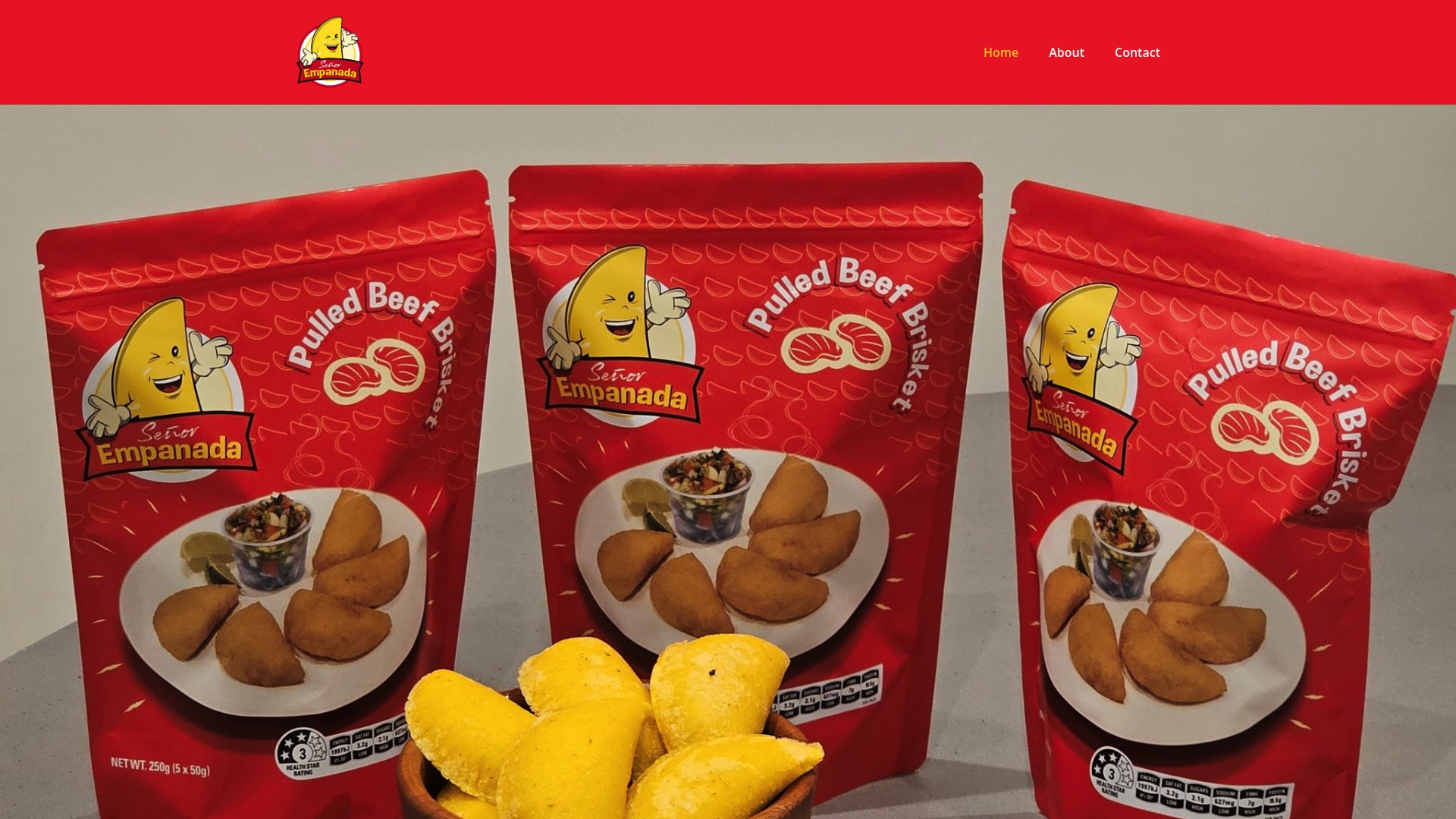
If you’re planning an event, our arepas and empanadas work well alongside fresh sauces and sides for a spread that feels generous without feeling heavy. Browse our full range of empanadas and sauces to find the right fit for your next order or catering booking.
This article is general information, not a substitute for advice from a qualified doctor. Consult a qualified healthcare professional about your own circumstances before acting on anything here.
FAQ
What is the difference between arepa and tortilla?
An arepa is a thicker, griddled corn cake made from precooked corn flour and water, split open and filled, while a tortilla is a thinner, flatter flatbread typically made from either corn or wheat and wrapped around a filling. Arepas tend to carry slightly more fibre per 100 grams than tortillas, though both can fit a balanced diet depending on preparation.
Is Colombian food typically healthy?
Colombian cooking leans heavily on corn, legumes, root vegetables and grilled meats, which gives it a solid nutritional base, though dishes vary widely by region and preparation. As with arepas, the healthiness of any Colombian dish depends on portion size, added fat and how it’s cooked rather than the cuisine itself.
What are some interesting facts about arepas?
Arepas are made from precooked, degermed corn flour rather than the nixtamalisation process used for some other corn products, a production method with its own history of nutrient fortification in parts of the world. They’re also naturally gluten-free when made with plain corn flour, which makes them a flexible option for people avoiding wheat.
How many carbs are in one arepa?
A typical medium arepa, around 90 grams, is carbohydrate-dominant, with energy of roughly 197 kilocalories coming mostly from the corn flour base. Exact carbohydrate grams vary by recipe and flour type, so checking the nutrition information panel per 100 grams gives the most reliable comparison between products.
Sources
- Glycemic index and insulin response to precooked corn flour arepa (PubMed)
- Health
- FSANZ — Nutrition information panels
- Arepas made from ß‑glucans enriched corn flour produced low metabolic responses in healthy subjects (USDA/ARS abstract)