
Yes, arepas make a versatile, satisfying breakfast, and they’ve held that role in Colombian and Venezuelan kitchens for generations. Pan-fry them plain and split them for perico, or go all in with an egg-stuffed arepa de huevo. Made from masarepa, pre-cooked cornmeal, they’re naturally gluten free and adaptable to whatever you’ve got in the fridge on a Tuesday morning.
TL;DR:
- Proper hydration is essential, as dough that cracks indicates insufficient water and can cause the arepa to break during shaping.
- Using a heavy cast-iron skillet or non-stick pan ensures a more evenly crisp crust without the need for a dedicated press.
- Filling ingredients like beans, cheese, or cooked meats hold up better for make-ahead breakfasts, while eggs and avocado are best added fresh.
- Flipping the arepa during cooking and finishing in the oven helps achieve a balance between a crispy exterior and a puffier interior.
- Preparing and freezing pre-cooked shells in advance allows for quick reheating with minimal effort on busy mornings.
Table of Contents
- Quick breakfast arepa ideas you can make right now
- How do you make dependable arepa dough?
- Perico and arepa de huevo: the two breakfast classics
- Are arepas a healthier breakfast, and are they gluten free?
- Make-ahead and reheating for busy mornings
- Troubleshooting: chef pro tips for better arepas
- What’s the nutritional profile of a typical breakfast arepa?
- Señor Empanada’s perspective: why we champion arepas for breakfast
- How Señor Empanada can help with breakfast prep
- Sources
- FAQ
Quick breakfast arepa ideas you can make right now
Arepas reward the cook who keeps it simple. Once you’ve got a batch of shells cooked, breakfast is really just a filling decision. Here are combinations we come back to again and again:
- Butter and cheese – warm arepa, a generous smear of butter, and crumbled queso blanco or cheddar melted into the crust.
- Perico – scrambled eggs cooked soft with diced tomato and scallion, spooned into a split arepa.
- Arepa de huevo – the Colombian classic: a raw egg sealed inside raw dough, then fried twice until the yolk sets exactly how you like it.
- Avocado and egg – sliced avocado with a poached or fried egg on top, a squeeze of lime, and a pinch of salt.
- Black beans and cheese – mashed or whole black beans with crumbled white cheese for a protein-heavy start.
- Sweet arepa – butter with jam, or maple syrup and sliced banana, for those mornings that call for something less savoury.
- Vegan plantain stack – grilled plantain, black beans and avocado, no dairy or eggs required.
Each of these takes under ten minutes once the shells are cooked, which is really the whole point of building arepas into your breakfast rotation rather than saving them for special occasions.
How do you make dependable arepa dough?
Getting the dough right is the difference between an arepa that holds together and one that crumbles the moment you try to split it. The standard ratio is roughly two parts water to one part masarepa, with a pinch of salt, though a simple three or four-ingredient version using just masarepa, water, salt and a little oil or butter works fine for a fast breakfast batch. The texture you’re after is often compared to Play-Doh: pliable, smooth and not sticking to your hands.
- Combine masarepa, salt and warm water in a bowl and let it sit for two to three minutes so the cornmeal hydrates fully.
- Knead briefly until smooth, then test by rolling a small ball. If the edges crack, add water a teaspoon at a time until it holds together without crumbling.
- If the dough feels sticky instead, let it rest for five minutes uncovered. It usually firms up on its own.
- Shape into discs roughly 8 to 10cm wide for quick-cooking breakfast portions, or slightly thicker if you’re stuffing them.
- Cook on a hot griddle or pan for a crisp crust, then finish in a 180°C oven for eight to ten minutes if you want a puffier interior. Many home recipes follow exactly this pan-then-oven method for the best of both textures.
A heavy cast-iron skillet or a good non-stick pan gives the most even crust. You don’t need a dedicated arepa press. A steady hand and a bit of practice flattening the dough between your palms does the job just as well.
Pro Tip: If your arepa cracks around the edges while shaping, it’s almost always a hydration problem, not a technique problem. Wet your hands slightly and smooth the crack rather than adding more dry masarepa on top.

Perico and arepa de huevo: the two breakfast classics
These two fillings sit at the heart of Colombian and Venezuelan mornings, and they couldn’t be more different in approach. One is fast and forgiving. The other demands a bit of nerve around hot oil.
Perico comes together in minutes:
- Whisk eggs with a splash of milk or water.
- Sauté diced tomato and scallion in butter until softened, about two minutes.
- Pour in the eggs and stir gently over medium heat, pulling them off just before they look fully set. This keeps them glossy rather than dry.
- Split a warm arepa and spoon the eggs inside.
This exact pairing, soft scrambled eggs with tomato and scallion served alongside cheese-stuffed arepas, is one of the most recognisable breakfast plates in Colombia.
Arepa de huevo takes more care. You fry a disc of raw dough until it puffs and holds its shape, slice a pocket into the side, and pour in a raw egg before sealing the opening and returning it to hot oil. The result is a fried corn cake with a soft, just-set egg inside, fried a second time until the yolk reaches your preferred doneness.

Traditional condiments round out both dishes: hogao (a tomato and onion sauce), ají for heat, or a spoonful of suero or natilla on the side. In much of Colombia and Venezuela, this spread appears on breakfast tables and street stalls alike, often with a strong coffee alongside.
Are arepas a healthier breakfast, and are they gluten free?
Arepas made with pure masarepa contain no wheat, which makes them naturally gluten free, though it’s worth checking the packet if you’re coeliac, since some brands blend in other flours. Beyond that, the nutritional picture depends almost entirely on what you put inside them and how you cook the shell.
For a lighter breakfast, lean into eggs, black beans, lean ham or grilled vegetables rather than heavy cheese or fried fillings. A whole-grain masarepa blend or one with extra corn kernels folded through adds a bit more fibre without changing the texture much.
Quick fact: because masarepa is pre-cooked cornmeal rather than a processed wheat flour, arepas are often used as a straightforward gluten-free swap for bread or toast at breakfast.
For exact numbers on serving sizes and filling combinations, our gluten-free arepa guide breaks down safe ingredient checks and a fast three-ingredient recipe.
Make-ahead and reheating for busy mornings
The trick to eating arepas on a weekday isn’t speed cooking at 7am. It’s batching on the weekend.
- Cook shells fully, or par-cook them until just set, then cool completely before storing.
- Refrigerate for up to three days, or freeze for longer storage, separating layers with baking paper so they don’t stick.
- Reheat in a toaster or dry skillet rather than the microwave, which keeps the crust crisp instead of turning it rubbery. Two to three minutes a side is usually enough.
- Add fillings just before serving rather than assembling ahead. Eggs and avocado in particular go soggy if they sit inside a warm arepa overnight.
Night-before prep means splitting and warming a pre-cooked shell in ten minutes flat. A weekend batch-cook of six to eight shells covers most of the week.
Troubleshooting: chef pro tips for better arepas
A few small habits separate an average arepa from one that holds up under a hearty filling.
- Dry, cracking dough needs water in small amounts, not a fresh batch from scratch.
- Sticky dough usually just needs a five-minute rest, not more masarepa.
- To check if a shell is cooked through, press gently on the side. It should sound slightly hollow rather than feel dense.
- Fillings that hold up best for prep-ahead breakfasts are beans, cheese and cooked meats. Eggs and avocado are best added fresh.
Pro Tip: When frying arepa de huevo, hold the sealed edge slightly elevated as you lower it back into the oil. This gives the seal a second to firm up before oil pressure can find any gap and cause the egg to leak.
What’s the nutritional profile of a typical breakfast arepa?
A plain arepa shell, made from just masarepa, water and salt, sits in a moderate calorie range for a breakfast starch, broadly comparable to a slice or two of bread depending on size and thickness. The real swing in calories, protein and fat comes almost entirely from what goes inside and on top.
A butter-and-cheese arepa runs heavier on saturated fat than one filled with perico or black beans, which lean on protein instead. Arepa de huevo sits at the richer end of the spectrum, since the shell is fried twice and the egg adds further fat and protein on top of that. A vegan plantain and black bean version tends to be the lightest option on the list, with no dairy or egg fat weighing it down.

Portion size matters more than people expect. A small, thin breakfast arepa cooked mostly on a dry griddle keeps things lean. A thick, oil-fried version stuffed with cheese and beans is closer to a substantial meal than a light start to the day. If you’re tracking intake closely, our arepa calorie breakdown walks through exact ranges for the most common breakfast styles, from a plain grilled shell through to a fully loaded arepa de huevo.
Fibre is worth a mention too. Standard masarepa has some, but nowhere near a wholemeal bread’s worth. Filling your arepa with beans or vegetables does more for fibre content than the shell itself ever will.
Señor Empanada’s perspective: why we champion arepas for breakfast
We’ve built our recipes around the same traditional techniques and quality masarepa that Latin American kitchens have relied on for generations. We’ve watched arepas disappear fastest at brunch events, faster than almost anything else on the table, which tells us something about how well they travel from home kitchens to shared mornings. If you want to go deeper, our guides on how to make arepas and gluten-free recipes cover the technique end in full.
— Senor Empanada
How Señor Empanada can help with breakfast prep
If your mornings don’t leave room for dough hydration tests and two-stage frying, that’s exactly the gap Señor Empanada fills. We make ready-to-heat arepa shells and kits using the same masarepa and traditional methods covered above, so you skip the shaping and get straight to the filling. We also cater brunch gatherings directly, which takes the whole breakfast spread off your plate, literally, when you’re feeding a crowd rather than just your own kitchen table.
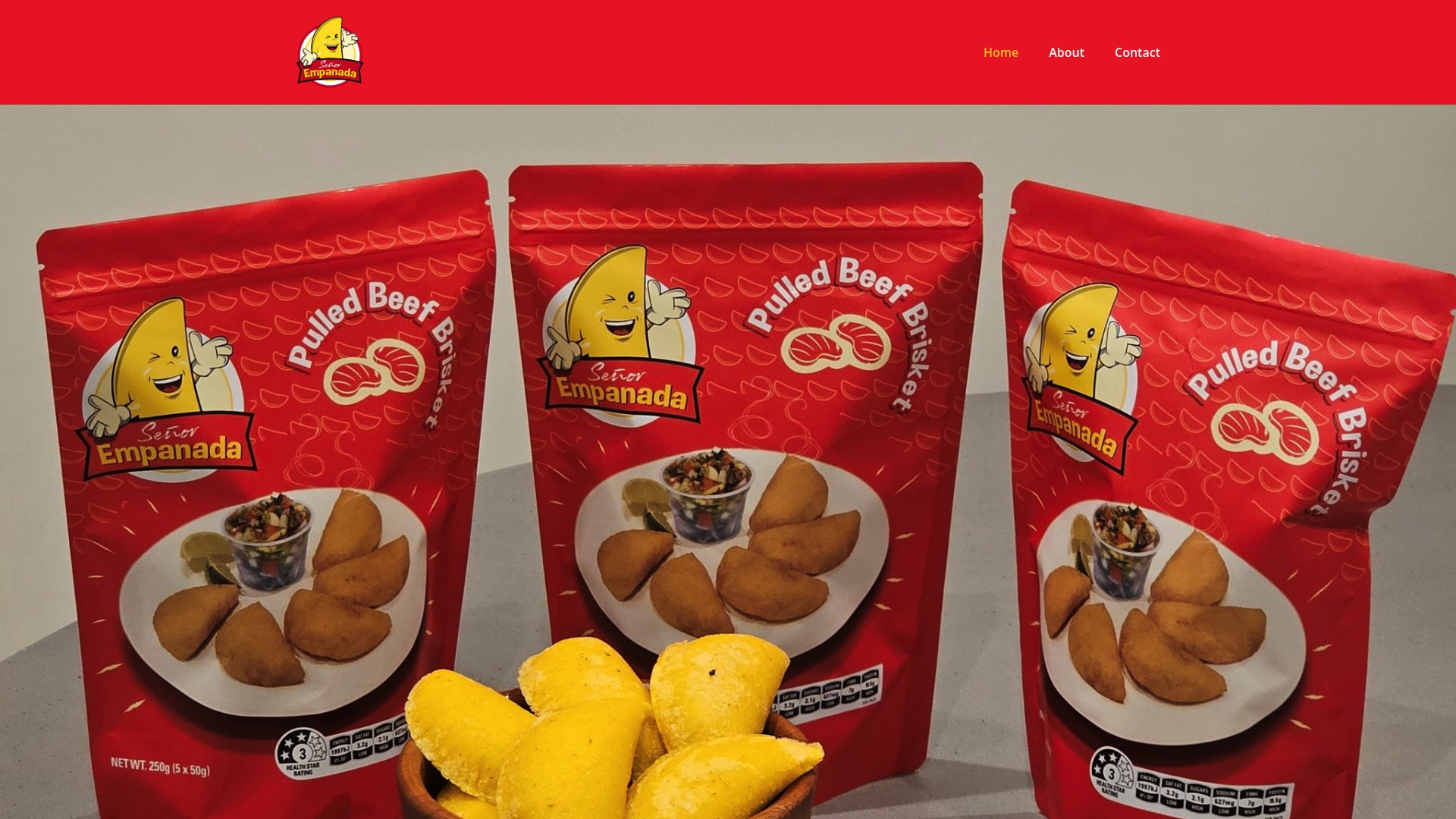
Making dough from scratch is genuinely worth it on a lazy Sunday when you’ve got twenty minutes to spare. On a Tuesday before work, a pack of our shells in the fridge is the more honest choice. For readers who still want the full DIY route, our how to make arepas guide and gluten-free arepas recipe cover every step. For everyone else, browse our breakfast and snack range and see what’s ready to heat this week. If you’re planning something bigger, our kids party snacks page covers catering options for a full Latin American spread.
Sources
- Arepa de Huevo (Colombian Egg-Stuffed Arepas) Recipe
- Arepas with Perico style eggs
- Huevos Pericos With Arepas
- How to make arepas (Minimalist Baker)
FAQ
Can you eat arepas for breakfast?
Yes, arepas are a traditional breakfast staple in Colombia and Venezuela, most often served split and filled with eggs, cheese or beans.
Are arepas healthier than bread?
Arepas made from pure masarepa are naturally gluten free and comparable in calories to bread, though the healthiest choice depends more on the filling and cooking method than the shell itself.
What do Venezuelan people eat for breakfast?
Venezuelan breakfasts commonly feature arepas split and stuffed with cheese, shredded meat or scrambled eggs, often alongside coffee.
What do Colombians eat for breakfast?
Colombian breakfasts typically include perico (scrambled eggs with tomato and scallion) served with arepas, or arepa de huevo, the deep-fried egg-stuffed version, alongside hot chocolate or coffee.
Are arepas gluten free?
Arepas made with masarepa contain no wheat and are naturally gluten free, though it’s worth checking the packet for any blended flours if you have coeliac disease.