Arepas are thick, bread-like corn patties you split and fill like a sandwich; tortillas are thin, flexible flatbreads you fold or roll around a filling. Reach for an arepa when you want a hearty pocket that holds its own, and reach for a tortilla when you need something pliable to wrap. The difference comes down to thickness, dough and what each one is built to do on your plate.
TL;DR:
- Arepas are thicker than tortillas and are made from pre-cooked maize flour, while tortillas are thin and from nixtamalized corn or wheat.
- Nixtamalization enhances nutritional value and flavor in tortillas but is skipped in arepas, which are quicker to prepare.
- Tortillas cook fast on a hot griddle to remain flexible, while arepas require a two-stage process for crust and crumb development.
- Arepas are traditionally split and stuffed, making them ideal for sandwiches or fillings, whereas tortillas are used for folding and wrapping.
- Both foods have distinct cultural roots, with arepas central to Colombian and Venezuelan diets and tortillas integral to Mexican cuisine.
Table of Contents
- 1. Form, ingredients and everyday roles compared
- 2. Ingredients and dough: nixtamalization, precooked maize flour and wheat variants
- 3. Cooking methods and the textures they create
- 4. How to eat and serve each one
- 5. Cultural significance and regional context
- 6. Practical notes for making arepas at home
- 7. When to choose arepas or tortillas, and when to swap
- How Señor Empanada brings these flavours to your table
- FAQ
- Sources
1. Form, ingredients and everyday roles compared
Thickness is the first giveaway. An arepa typically runs 1 to 2 centimetres thick, sturdy enough to slice open and stuff like a bun, while a tortilla stays thin and supple so it can fold without tearing. That single trait shapes almost everything else about how each one behaves on the plate.
The dough tells a second story. Tortillas usually come from hominy, corn that has been through nixtamalization, or from wheat flour; arepas rely on pre-cooked maize flour, a shortcut that skips the lime-soaking step altogether.
- Arepas are thick enough to split and fill, making them a stand-in for bread.
- Tortillas stay thin and bendy, so they wrap, fold or layer without cracking.
- Arepa dough is pre-cooked maize flour; tortilla dough is nixtamalized corn or wheat.
For home cooking, the practical takeaway is simple: grab an arepa for a sandwich-style meal, and grab a tortilla when the dish calls for rolling, folding or layering.
2. Ingredients and dough: nixtamalization, precooked maize flour and wheat variants
Nixtamalization is the process behind most corn tortillas: dried corn is cooked in an alkaline lime solution, then left to steep for 12 to 18 hours after a cook of 5 to 45 minutes. That soak softens the kernel, loosens the hull and shifts both flavour and nutrition, increasing calcium availability and enhancing protein digestibility, which helped corn-based diets historically support communities well.
Arepas skip that step. They are made from pre-cooked maize flour, a product that has already been cooked and dried before it ever reaches your kitchen, so all you do is rehydrate it with warm water and salt. No soaking, no grinding, no overnight wait, just a dough that comes together in minutes.

Nixtamalization changes more than taste. The lime-soaking process increases calcium availability in the corn, a shift that shaped the nutritional backbone of diets across Mesoamerica for centuries.
Wheat tortillas sit in their own lane, common in northern Mexican cooking and popular wherever a softer, more elastic wrap suits the filling better than corn’s slightly grainier bite.
3. Cooking methods and the textures they create
A tortilla’s flexibility comes from how it is cooked: pressed thin, then cooked briefly on a hot comal or griddle, just long enough to set without drying out, which keeps it soft and pliable for folding.
Arepas go through a longer journey. The dough is shaped into a thick disc, riddled first to build a crust, then finished in an oven or fryer to cook the centre through. Traditional cooks in Venezuela and Colombia still favour iron griddles called budares or clay aripos for this step, tools that produce a texture modern appliances, including countertop arepa makers, still struggle to fully match.
- Tortillas cook fast and hot to stay thin, soft and bendable.
- Arepas cook in two stages: a griddle for crust, then heat for the crumb.
- The result is a tortilla you fold and an arepa you split.
Pro Tip: Let shaped arepa discs rest for a few minutes before griddling, then finish them in a moderate oven rather than solely on the stovetop. It traps steam inside for a soft crumb while the surface stays crisp.
4. How to eat and serve each one
Tortillas work as the wrapper in dishes built around rolling and folding. Tacos fold a tortilla around a filling, enchiladas bathe rolled tortillas in sauce, and quesadillas fold one over melted cheese.

Arepas take a different path, usually appearing split and stuffed, often with traditional fillings sweetened by panela, as explained in this simple panela grating trick, or as a side for stews, or as a breakfast base topped with cheese and eggs. Regional names shift too, with Colombian versions often thinner and Venezuelan arepas typically thicker and more deeply split.
Three ways to try them tonight:
- Split a warm arepa and fill it with shredded cheese and avocado for a quick lunch.
- Warm a corn tortilla and fold it around leftover roast vegetables for a simple taco.
- Serve a thick arepa alongside a bowl of soup or stew instead of crusty bread.
5. Cultural significance and regional context
In Venezuela and Colombia, the arepa carries real weight as a daily staple, documented in academic and heritage studies as living culinary heritage that crosses regional boundaries and generations. It shows up on breakfast tables and street stalls alike, food that belongs equally to home kitchens and busy markets.

The tortilla holds a similarly central place in Mexican food culture, rooted in the nixtamalization techniques developed across Mesoamerica long before European contact and still shaping how corn tortillas are made today.
Confusion often creeps in with related foods. A pupusa, for instance, has its filling sealed inside the dough before cooking, while an arepa is typically split open after cooking and filled then. Gorditas raise similar questions; our arepas vs gorditas comparison breaks down exactly where each one diverges.
6. Practical notes for making arepas at home
Judging arepa dough comes down to touch. Roll a small ball between your palms: it should hold its shape without cracking and feel slightly tacky after resting for 5 to 10 minutes. If it flakes or crumbles, add a splash more water and knead again.
- A hydration ratio close to 2 parts pre-cooked maize flour to 2.5 parts warm water is a reasonable starting point to adjust from.
- Reheat arepas on a dry griddle for a few minutes a side, then finish briefly in a moderate oven to recrisp the crust without drying the centre.
- Maize-based arepas are naturally gluten free, but shared utensils, griddles or fryers used for wheat products introduce cross-contamination risk.
Our gluten-free arepas guide covers safe handling in more depth, and our step-by-step arepa recipe walks through shaping and cooking from scratch.
7. When to choose arepas or tortillas, and when to swap
Our rule of thumb: arepas for anything sandwich-style or split-and-filled, tortillas for wraps, folds and quick street-style eating. Short on arepa flour? A soft wheat tortilla can stand in for a wrap in a pinch, though the texture and flavour won’t match. Want an authentic tortilla instead? Fresh masa beats the pre-packaged version every time.
One respectful note: these are distinct foods with their own histories, so renaming a pupusa an arepa, or calling a tortilla a wrap, flattens cultures that deserve to be named correctly.
— Senor Empanada
How Señor Empanada brings these flavours to your table
We built our menu around the same principle that separates a good arepa from a great one: real technique, real ingredients, no shortcuts. We offer arepas made the traditional way, ready for a quick meal or a catering order without the griddle work.
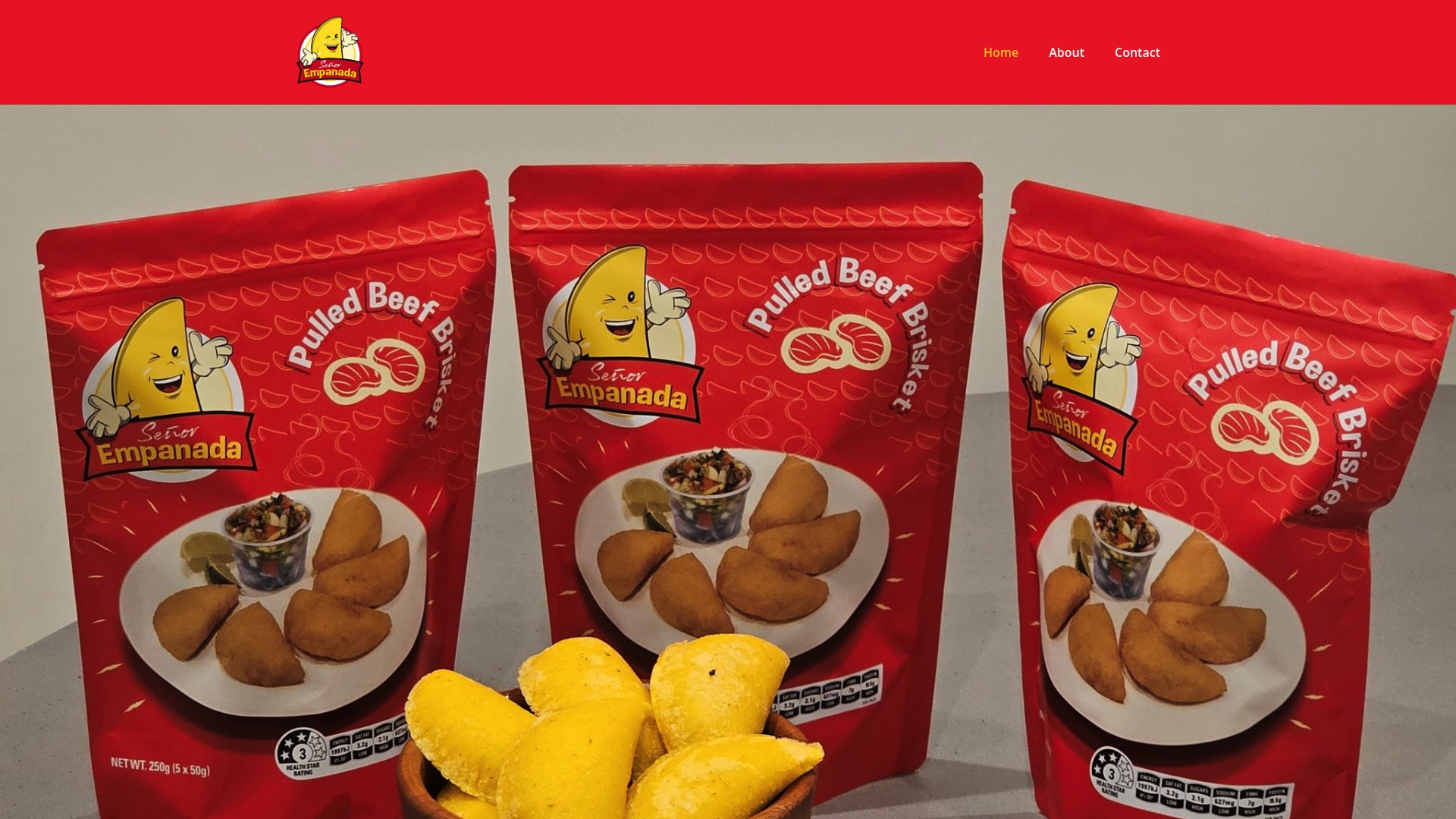
Browse our recipe guides for ingredient tips, including gluten-free arepa guidance, or head to our main menu to order arepas, empanadas and sauces, or get in touch about catering for your next gathering.
FAQ
What is the difference between arepa and tortilla?
An arepa is a thick, split-and-filled corn patty, while a tortilla is a thin, flexible flatbread made from nixtamalized corn or wheat. The arepa works like bread, the tortilla works like a wrap.
What can I use instead of arepa flour?
Pre-cooked maize flour (often labelled masarepa or harina precocida) has no true substitute for authentic texture, since regular cornmeal or fresh masa behave differently once hydrated. If you can’t find it, a specialty Latin grocer or our arepa recipe guide can point you toward reliable brands.
Can you give me a recipe for arepas with mozzarella cheese?
Mix pre-cooked maize flour with warm water and a pinch of salt until the dough holds its shape without cracking, then knead in shredded mozzarella before shaping into discs. Griddle each side until golden, then finish in a moderate oven until the cheese inside melts; our full arepa recipe walks through the exact steps.
Are arepas only Colombian?
No, arepas belong to both Colombian and Venezuelan cuisine, with each country shaping its own regional styles and fillings. Academic documentation frames the arepa as shared culinary heritage across both nations rather than belonging to just one.
Sources
- Arepa — Wikipedia
- El Casabe y la Arepa: Alimentos Prehispánicos de la Culinaria Indígena Venezolana — PASOS
- Documentation of arepa practices — UTP repository