
The fastest way to feed birthday guests is a mix of two or three reliable savoury bites, an empanada or mini pastry, a dip cup with veg, and one sweet bite, replenished in small trays. Plan on 4–6 pieces per person for a party running an hour to ninety minutes. A tray of ready-made empanadas covers the “hot, hearty, everyone eats it” slot without you touching an oven mid-party.
TL;DR:
- Most host-ordered party foods should be purchased ready-made, especially empanadas, sausage rolls, and frozen dumplings, which reheat easily from frozen.
- Preparing a short list of two or three reliable dishes focused on the most popular items, like empanadas and dip cups, maximizes freshness and minimizes waste.
- Replenishing food options every 20 minutes, rather than filling the table upfront, keeps items at safe temperatures and enhances the perception of abundance.
- Staggering reheating by category and batching appliances reduces time and energy spent on last-minute prep during the party.
- For a shorter party of 60-90 minutes, plan on serving 4-6 pieces per guest, adjusting upward for longer events and adding buffer for uninvited plus-ones.
Table of Contents
- Choosing your birthday finger foods by category
- 20 easy birthday finger food ideas worth making
- What kids actually eat (and what they leave on the plate)
- Getting ahead: a make-ahead schedule that actually works
- How much food you actually need (and what it costs)
- Food safety rules every host needs to follow
- Presentation and serving tips that cut waste
- Why fewer, better dishes beat a huge spread
- Let Senor Empanada handle the savoury anchor
- Sources
- FAQ
Choosing your birthday finger foods by category
Building a birthday spread is less about finding twenty individual recipes and more about covering five or six categories well. Once you’ve got one strong option in each, the rest of the menu fills itself in.
Savoury pastries are the backbone of most birthday spreads because they travel well, reheat cleanly, and appeal across age groups. Sausage rolls, empanadas, and mini quiches all sit in this bracket, and most can be made or bought frozen weeks ahead.
Skewers and toothpick foods solve the “how do people eat this without a plate” problem. Anything you can spear, from cocktail meatballs to fruit chunks, turns a messy dish into a one-hand snack.
Dip cups and single-serve dippers cover the vegetarian and gluten-free guests without a separate menu. Pre-portioned cups also cut down on the double-dipping hygiene issue that plagues a shared bowl.
Mini sandwiches and sliders give you a filling option for guests who arrive hungry, particularly useful if the party runs through a mealtime.
Sweet bites close out the table: think small, no-cutlery-needed treats rather than a full dessert course.
Here’s how those categories typically split between store-bought and homemade:
- Best bought ready-made: empanadas, sausage rolls, arancini, frozen wontons and dumplings, party pies
- Best homemade (and easy): dip cups, fruit skewers, devilled eggs, crostini toppings, mini muffins
- Either works well: sliders, pizza pinwheels, cheese and cracker boards
The trick is not doing everything from scratch. A 5-category framework for party menus makes it easier to spot where you can buy in and where a five-minute assembly job is genuinely faster than driving to the shops.
20 easy birthday finger food ideas worth making
This list mixes savoury, vegetarian, and sweet options, each with a note on storage and last-minute prep so you’re not guessing what to do the morning of the party.
- Mini quiches — bake ahead and freeze; reheat at 180°C for 10 minutes straight from frozen. Good for adults and vegetarians if you skip the bacon version.
- Halloumi fritters — best fried fresh, but the batter can be mixed the night before and kept covered in the fridge.
- Sausage rolls — freeze raw or cooked; reheat cooked rolls at 180°C for 8 minutes to re-crisp the pastry.
- Empanadas — Señor Empanada’s frozen range reheats from frozen in a moderate oven, no defrosting required, which makes them one of the lowest-effort hot items on this list.
- Pizza pinwheels — assemble the day before, slice and bake fresh on party morning for the best texture.
- Arancini — freeze uncooked, then deep-fry or air-fry straight from frozen for a crisp shell.
- Mozzarella sticks — a genuine kid favourite; keep frozen until minutes before frying so the cheese doesn’t split.
- Air-fryer wontons — assemble and freeze raw; air-fry from frozen for 6–8 minutes, no oil bath needed.
- Potato bites — roast the day before, reheat in a hot oven for 5 minutes to bring back the crunch.
- Rice paper rolls — a no-cook option that suits vegan and gluten-free guests, but make these within a few hours of serving or the wrapper toughens.
- Devilled eggs — boil and fill up to a day ahead, store covered in the fridge, and dust with paprika just before serving.
- Mini sliders — patties can be pre-formed and frozen; assemble buns fresh so they don’t go soggy.
- Pigs in blankets — freeze raw, bake from frozen at 190°C for around 15 minutes.
- Hummus dip cups — make up to three days ahead; keep chilled and portion into cups the morning of the party.
- Fruit kebabs — assemble the morning of the party; citrus-dip apple and banana pieces to stop browning.
- Mini muffins — bake and freeze up to a month out; thaw at room temperature for two hours before serving.
- Rice Krispies squares — make up to five days ahead; store in an airtight container at room temperature.
- Brownie bites — freeze well; thaw for an hour and dust with icing sugar to hide any condensation.
- Crostini — toast the bread up to two days ahead and store in an airtight container; top fresh on the day.
- Stuffed mushrooms and corn fritter bites — both can be prepped raw the night before and baked fresh, which keeps the texture right for guests who eat within the first hour.
What kids actually eat (and what they leave on the plate)
Novelty food photographs beautifully and gets ignored on the day. Party planners consistently find that familiar, plain finger foods outperform elaborate ones when it comes to what children genuinely eat rather than push around a plate.
Stick to these safe bets for the kids’ table:
- Cheese cubes, plain crackers, and mini sausage rolls
- Fairy bread, fruit skewers cut small, and mini muffins
- Chicken nuggets or empanadas with a mild filling that adults will happily eat too
For allergy-aware swaps, keep a dairy-free platter (fruit, rice crackers, hummus) and a nut-free zone clearly separated from anything containing satay sauce, pesto, or nut-based sweets.
Presentation matters more for kids than adults. Use short, blunt sticks rather than sharp skewers, keep portions genuinely bite-sized rather than “adult-sized but smaller,” and give dishes fun names, think “dinosaur eggs” for stuffed olives, rather than listing ingredients. A simple napkin station near the kids’ table cuts down on sticky-finger chaos more than any single food choice will.

Getting ahead: a make-ahead schedule that actually works
Spreading prep over a week turns birthday catering from a stressful sprint into a series of ten-minute tasks.
- A week out: bake and freeze anything pastry-based, sausage rolls, mini quiches, empanadas if making your own, plus any sweet treats like brownie bites or muffins.
- 2–3 days out: make dips, boil eggs for devilling, and prep any sauces or dressings.
- The day before: assemble pizza pinwheels ready to slice, form slider patties, and fill and chill devilled eggs.
- The morning of: slice and bake pinwheels fresh, portion dips into cups, assemble fruit kebabs, and pull frozen items out to reheat on a staggered schedule so nothing sits waiting too long.
Frozen pastries and empanadas reheat best from frozen rather than after a full defrost, which keeps the pastry crisp instead of soggy. A practical approach for frozen empanadas is a covered stint in a moderate oven followed by a few minutes uncovered to crisp the shell back up, without drying out the filling.
Pro Tip: Stagger your reheating by category rather than by dish. Put all pastry items through the oven in one batch and all fried items through the air fryer in another, so you’re not running three appliances at once when guests start arriving. For more on batching kitchen prep across a busy event, this meal-prep guide for home cooks covers timing principles that translate well to party catering.
How much food you actually need (and what it costs)
Getting portions wrong in either direction ruins a party, either guests go hungry or you’re eating leftover sausage rolls for a week.
- Short party (60–90 minutes): plan for 4–6 pieces per person, covering roughly two savoury items and one sweet.
- Longer party (2–3 hours): bump that up to 8–12 pieces per person, adding a third savoury category and a second sweet option.
- Kids’ portions: scale down to around 60–70% of the adult quantity, since children typically eat less variety and smaller amounts overall.
- Buffer for extras: order or prepare for roughly 115% of your confirmed headcount to cover uninvited plus-ones and second helpings.
On cost, self-catered supermarket spreads typically run $8–$15 per person, while professional finger-food catering sits closer to $20–$40 per person. You can bridge that gap without sacrificing variety: buy frozen party staples in bulk (sausage rolls, empanadas, spring rolls), serve them on tiered stands to add visual height, and top a plain cracker platter with a good dip to make a $12 spread look like a $25 one.
Food safety rules every host needs to follow
Most food poisoning at home parties doesn’t come from a bad ingredient. It comes from good food sitting too long at the wrong temperature.
The danger zone is 5°C to 60°C. Bacteria multiply fastest in that range, and the risk is cumulative across preparation, transport, and display, not just how long something sits on the table at the party itself. Food Safety Australia’s guidance on entertaining at home points to temperature abuse as the leading cause of illness at gatherings, which is why serving in small, replenished batches beats laying everything out at once.
| Situation | Safe limit | Practical action |
|---|---|---|
| Room temperature under 25°C | Up to 4 hours cumulative | Use a simple time sticker on the tray when it comes out |
| Room temperature above 25°C | As little as 2 hours cumulative | Refresh trays more often; keep reserves chilled until needed |
| Egg or dairy-based dips | Follow the 2–4 hour rule closely | Split into small bowls, replenish from a chilled batch |
The Food Standards Appendix on time logging recommends this exact sticker-and-log approach for ready-to-eat perishables, and it takes about ten seconds per tray. Under the Australia New Zealand Food Standards Code, allergen information must be available to guests, whether that’s a small card next to each dish or simply being ready to answer when someone asks. Keep a dedicated nut-free bowl and serving spoon, and never share utensils between it and anything containing nuts.
Presentation and serving tips that cut waste
Guests eat more from a table that looks organised than one that looks like a buffet aftermath. Group items by category rather than scattering them, so the sweet table doesn’t compete visually with the savoury spread.
Tiered platters and small labelled cups do double duty: they look more generous than a flat tray of the same food, and they make portion control effortless for guests. A side and sauce pairing guide is worth a look if you want quick ideas for elevating a simple empanada tray with minimal extra effort.

Keep tongs or serving spoons on every dish, refill from the kitchen rather than topping up the display tray directly, and put allergen signs at eye level, not tucked behind a bowl where nobody sees them until it’s too late.
Why fewer, better dishes beat a huge spread
After years of catering birthdays and backyard parties, the pattern is consistent: hosts who try to offer ten different dishes end up with nine half-eaten trays and one empty one. Pick two or three items you know will disappear, empanadas, a solid dip, a tray of sliders, and put your energy into keeping those replenished rather than adding variety nobody asked for.
The empanada flavours that consistently clear the tray first are the classic beef and the cheese and corn, likely because they read as familiar comfort food rather than something guests need to be talked into trying. Serving in smaller batches also solves a throughput problem: a fresh tray every twenty minutes looks more generous than one enormous platter that sits outgoing lukewarm, and it genuinely keeps food safer under the temperature rules above.
The overall lesson from party catering isn’t about finding more recipes. It’s about trusting a shorter list, executed well and replenished often.
— Senor Empanada
Let Senor Empanada handle the savoury anchor
A practical shortcut for the one dish every birthday spread needs to get right is the hot, savoury item that disappears first. Rather than testing a new pastry recipe the night before a party, you can order empanadas made from traditional recipes and premium ingredients, and reheat them straight from frozen in a moderate oven with no thawing, no rolling pastry, and no guesswork on cooking time.
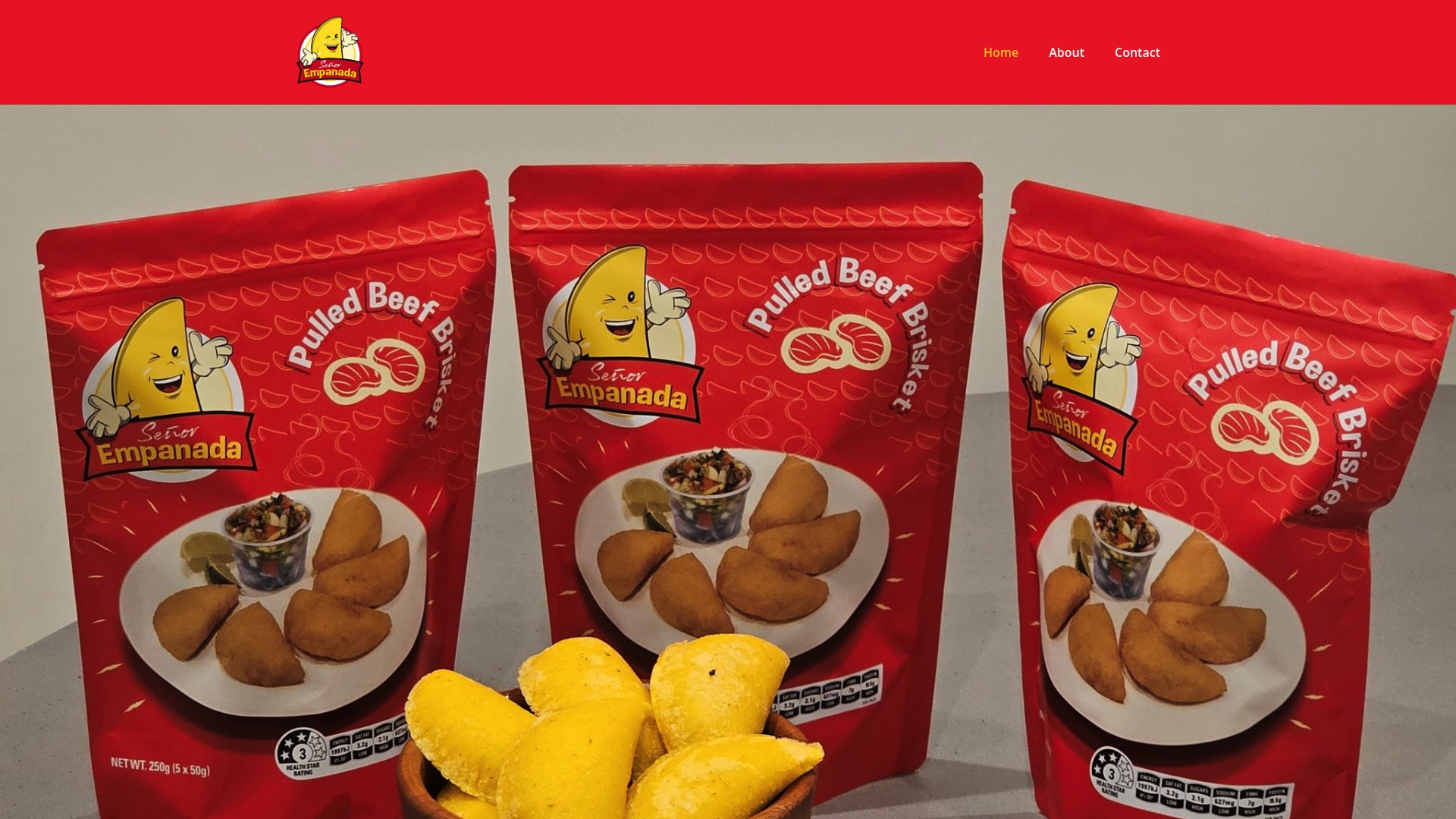
For a birthday spread, a tray covers the 4–6 pieces per person guideline for a shorter party comfortably, and scaling up for a longer event just means ordering more trays rather than more recipes. Pair them with a dip from the sauce and filling matching guide for guests who like a bit of heat, or check the full range of empanadas and sauces to plan your order around your headcount and party length. Browse the range and place your order ahead of the date so the only thing left to do on the day is heat and serve.
Sources
For the food safety detail covered above, the Australia New Zealand Food Standards Code is the authoritative reference on allergen labelling obligations, and Food Safety Australia’s entertaining guidance breaks down the danger zone rules in plain language. For budgeting your next event, the birthday party food cost guide has current per-person price ranges for both DIY and catered options.
- Entertaining at home — Food Safety Australia
- How much does birthday party food cost? 2026 AU guide
- Food Standards Appendix 2 (time logging guidance)
FAQ
What is good finger food for a birthday party?
A strong birthday spread mixes savoury pastries like empanadas or sausage rolls, a dip cup or two for vegetarian guests, a skewer or slider option, and a sweet bite such as mini muffins or brownie bites. Covering four or five categories rather than one type keeps every guest satisfied without overcomplicating the menu.
What are the top 10 finger foods?
Based on what consistently disappears first at birthday parties, top picks include empanadas, sausage rolls, mini quiches, arancini, mozzarella sticks, devilled eggs, pizza pinwheels, fruit kebabs, hummus dip cups, and mini sliders. These cover savoury, vegetarian, and finger-dessert categories without requiring elaborate technique.
What is the cheapest finger food to feed 40 to 50 people?
Bulk-bought frozen items like party pies, sausage rolls, and spring rolls tend to be the most budget-friendly for a big crowd, often landing in the $8–$15 per person self-catered range. Bulk-buying and pairing plain items with a homemade dip stretches the budget further while still looking generous on the table.
What are good finger foods for a party on a budget?
Sandwich platters, frozen sausage rolls, popcorn in paper cones, and a simple cracker and cheese board all deliver strong value without sacrificing variety. Adding one slightly higher-cost item, like a tray of empanadas, as the “hero” dish still keeps the overall per-person cost well under professional catering rates.
How much finger food should I prepare per guest?
Plan for 4–6 pieces per person for a party running 60–90 minutes, and 8–12 pieces per person for a longer two to three hour event. Reduce children’s portions to roughly 60–70% of the adult amount and order for about 115% of your confirmed headcount to cover extras.