
The fastest, highest-margin way for an Australian brewery to add food is to serve wholesale ready-to-serve empanadas and arepas, sourced from a supplier such as Senor Empanada and finished on-site in minutes. These handheld items need no chef, hold their quality under FSANZ Standard 3.2.2 when stored correctly, and slot straight into a taproom’s tight kitchen footprint. The sections below cover the safety rules, the ordering process, and the menu templates you need to get this running this month.
TL;DR:
- Wholesale empanadas and arepas can be stocked in bulk to fit a small taproom kitchen, with preparation time under ten minutes per item.
- Strict temperature controls are essential, requiring foods to be held at or below 5°C or above 60°C outside of active cooking, with regular temperature logging.
- Sourcing should focus on pre-portioned formats, reliable delivery schedules, and comprehensive supplier documentation to ensure quality and traceability.
- Ready-to-serve products cost more than just their unit price, as added expenses include equipment, storage, staff finishing, and freight, which should inform pricing adjustments.
- Most breweries can implement wholesale food lines within three weeks by completing trials, setting delivery routines, and training staff on proper handling and finish times.
Table of Contents
- What are the best ready-to-serve categories for a brewery food menu?
- What food safety rules apply to serving empanadas and arepas in Australia?
- How do I choose and onboard a wholesale food supplier?
- What are simple menu templates and pricing formulas for taproom food?
- How long does it take to get ready-to-serve food onto your menu?
- What does adding wholesale food really cost a brewery?
- Senor Empanada: a wholesale option built for brewery service
- A brewery operator’s honest take on adding empanadas
- Sources
- FAQ
What are the best ready-to-serve categories for a brewery food menu?
A taproom kitchen usually has one small oven, a fryer if you’re lucky, and staff who are pouring beer more often than plating food. That reality should drive every choice on your brewery food menu ideas list. The categories below are chosen because they finish fast, travel well from a wholesale case to a plate, and pair naturally with a beer flight.
- Empanadas and arepas. Handheld, oven or fryer finished in under ten minutes, and priced to deliver strong margins on a $8 to $14 retail point. Common fillings include traditional beef, cheese and corn, and chicken, with arepas working as a gluten-friendly alternative base for the same fillings.
- Vegetarian and vegan handhelds. Cheese, spinach, or plant-based mince fillings mean you’re not turning away the table where one person doesn’t eat meat, a genuine seasonal vegan menu opportunity most brewery menus still ignore.
- Shelf-stable dried meat snacks. Biltong and jerky need zero cooking and almost no handling, which makes them the lowest-friction bar snack option, and suppliers such as Doctor Proctor’s already sell into the Australian craft beer trade for exactly this reason.
- Share plates and sauces. A mixed empanada board with two or three dipping sauces lifts average spend per table without adding kitchen complexity, and sauce pairings such as chimichurri or a smoky aioli are worth testing against your core fillings.
- Grab-and-go single packs. Pre-wrapped individual empanadas at the bar or in a fridge unit capture the customer who wants something quick on the way out, which is a different sale to the sit-down share plate.
Building your menu across these five categories gives you handheld, vegetarian, shelf-stable, shareable, and takeaway coverage without touching a chef’s knife.
What food safety rules apply to serving empanadas and arepas in Australia?
Ready-to-eat foods like empanadas and arepas fall under Standard 3.2.2 of the Australia New Zealand Food Standards Code, which applies nationally to any food business handling food for sale. The core rule is simple to state and easy to get wrong under service pressure: potentially hazardous ready-to-eat food must be held at or below 5°C or at or above 60°C at all times outside of active cooking.

Pro Tip: Log fridge and bain-marie temperatures at the start and end of every trading session, not just once a day. A single missed check during a busy Friday night is the most common compliance gap inspectors find.
Beyond temperature, Food Standards Australia New Zealand’s food safety management guidance sets out what your supplier paperwork and in-house checks need to cover:
- Labelling. Confirm every case carries the supplier’s business address, a lot or batch number, and ingredient and allergen listings, with a nutrition information panel where the product requires one.
- Directions for use. A compliant supplier gives you written cook or finish times and storage instructions, not a verbal description at delivery.
- Receiving checks. Reject any delivery that arrives above 5°C, log the rejection, and photograph the delivery docket for your records.
- Traceability records. Keep supplier invoices and lot numbers on file, as required under NSW Food Authority guidance for manufacturers and wholesalers, so any product recall can be traced back in minutes, not days.
- Staff briefing. A five-minute handover at shift start covering “what’s in the fridge, what temperature it needs to stay at, and how long it can sit” removes most of the risk that comes from casual bar staff handling food for the first time.
None of this is complicated, but it needs to be written down somewhere your local council inspector can see it.
How do I choose and onboard a wholesale food supplier?
Start with the packaging format, because it determines how much labour your kitchen spends before the product ever reaches a plate. Wholesale suppliers typically sell in bulk cases, buckets, or pre-portioned packs, and the pre-portioned option is almost always the right call for a brewery kitchen without a dedicated chef. Insist on tray-ready formats where possible, since they cut prep time to almost nothing during a busy session.
Delivery cadence matters just as much as the product itself. Confirm cold-chain verification at every drop, and ask what happens if a delivery is delayed on a Friday before a big weekend of trade. A supplier without a contingency plan for peak periods is a supplier that will let you down exactly when it costs the most.
Before signing anything, work through this checklist:
- Confirm minimum order quantities and whether they suit your weekly covers.
- Ask for tiered pricing at volume and get it in writing, not verbally at a trade show.
- Check invoicing terms and lead times between order and delivery.
- Request a sample case for a finish-in-house trial before committing to a standing order.
- Ask for supplier documentation upfront: ingredient and allergen listings, lot and expiry information, and transport temperature assurance, as outlined in NSW Food Authority guidance.
Pro Tip: Run your trade tasting with the exact oven or fryer you’ll use in service, not a demo kitchen setup. A product that finishes perfectly in a commercial oven can behave completely differently in a taproom’s undersized pizza oven.
One point worth taking seriously: hospitality operators who stick with one reliable supplier and one proven product line tend to reduce kitchen bottlenecks far more than those who chase variety across three or four different snack suppliers at once.
What are simple menu templates and pricing formulas for taproom food?
You don’t need a food consultant to build a working brewery menu. Three templates cover most taproom service styles, and each one can go straight onto a chalkboard or digital menu today.
- Template A, handheld combos. Three empanadas plus a dipping sauce at $16 to $18, or a single empanada plus arepa combo at $12 to $14, works as an easy entry point next to a beer flight.
- Template B, share plates. A six-piece mixed empanada board with two sauces at $28 to $32 pairs naturally with a tasting paddle, and this is where per-table spend climbs fastest.
- Template C, grab-and-go and event packs. Single wrapped empanadas at $6 to $8 for takeaway, or a 20-piece event bulk pack for function bookings, opens up a second revenue line beyond regular trading hours.
For pricing, a straightforward formula works well in a taproom setting: take your landed cost per unit, divide by 0.30 to target a 30% food cost, and round to the nearest dollar that fits your existing drinks pricing ladder. If a wholesale empanada costs $3.20 landed, that formula puts retail at roughly $10.60, which rounds sensibly to $11 as part of a combo or slightly higher as a standalone item.
How long does it take to get ready-to-serve food onto your menu?
Most breweries can move from first supplier contact to serving customers within a few weeks. Week one is for sourcing: request a sample case, run a finish-in-house trial in your actual kitchen equipment, and get pricing confirmed in writing. Week two is for setup: open a commercial account, confirm delivery windows against your busiest trading days, and brief bar staff on storage and finish times.
By week three, most venues are ready for a soft launch, often trialling the new menu items on a quieter weeknight before pushing them on a Friday or Saturday session. This staged approach catches problems, like an oven that runs hotter than expected or a delivery window that clashes with your busiest prep time, before they cost you a bad review on a big night.

Don’t skip the soft launch stage even if you’re confident in the product. The goal isn’t to test whether empanadas taste good; that’s largely solved before they reach you. The goal is to test whether your specific kitchen, your specific staff, and your specific delivery schedule can support the product without friction. A menu item that works brilliantly on paper but arrives during your busiest delivery slot, or needs finish instructions your junior staff haven’t been shown, will underperform regardless of product quality.
Keep a simple record of what worked and what didn’t during those first few weeks. It becomes the basis for whether you expand the range or adjust portion sizes and pricing before the next quarter.
What does adding wholesale food really cost a brewery?
The unit cost of a wholesale empanada or arepa is only part of the total cost of ownership. Add in the oven or fryer time, the fridge or freezer space it occupies, the staff minutes spent finishing and plating, and the packaging or napkins that go with table service.
Freight is the other variable worth watching closely. A supplier offering next-day or 48-hour dispatch, as is common across Australian wholesale food distribution, usually costs more per delivery than a weekly bulk drop, but it also means less frozen storage tied up in your kitchen. Weigh that trade-off against how much freezer space you actually have, because tying up a chest freezer with two weeks of stock isn’t free even though it looks that way on the invoice.
Pricing strategy should flex with these real costs rather than sitting on a fixed margin target set once and never revisited. If freight costs rise or you shift from weekly to twice-weekly delivery to reduce frozen stock on hand, adjust your retail price or your combo structure rather than absorbing the difference indefinitely. Reviewing food cost percentage against actual sales data every quarter, not just at launch, is what keeps a wholesale food line profitable a year in rather than just in the first excited month.
Senor Empanada: a wholesale option built for brewery service
A wholesale supplier can provide empanadas, arepas, and authentic sauces made from traditional recipes and premium ingredients, offered to hospitality venues alongside direct-to-consumer and catering lines. For a taproom kitchen without a chef on shift, that means handheld product that finishes in a standard oven, holds its quality through service, and doesn’t demand recipe development on your end.
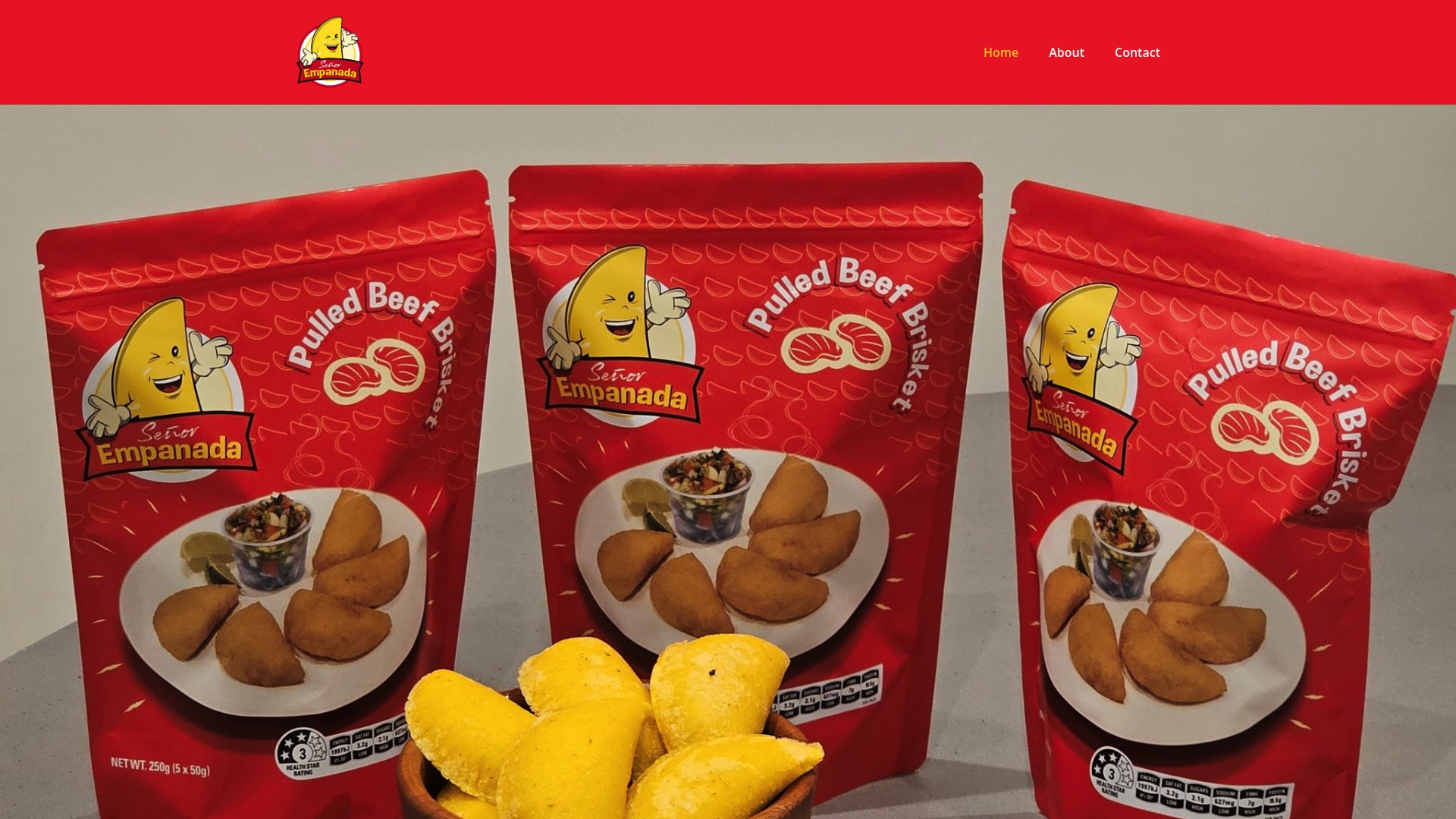
Getting started is straightforward. Request a sample case to run a finish-in-house trial in your own oven, confirm the pack formats and delivery windows that suit your trading pattern, and brief your bar staff on the finish instructions before your first live service. Fillings such as beef and cheese empanadas work well as an entry combo, with arepas offering a gluten-friendly alternative on the same board. For pairing ideas that lift your share plate spend, a sauce pairing guide is worth reviewing before your trade tasting.
If you’re ready to move past the planning stage, the Where to Buy page is the place to open a trade account and check current pack formats for your venue.
A brewery operator’s honest take on adding empanadas
The biggest win wasn’t the food itself, it was consistency. Once the same handheld item hit the pass the same way every single time, cover spend crept up without anyone changing the drinks list.
Two things mattered more than expected: training staff on exact finish times rather than “cook until it looks right,” and locking delivery days that never clashed with the busiest trading night. Get those two right before worrying about anything else.
— Senor Empanada
Sources
- Food Standards Australia New Zealand — Food safety management tools (overview)
- Upstock — Wholesalers (Australia)
- NSW Food Authority — Manufacturers and wholesalers
- Federal Register of Legislation — Australia New Zealand Food Standards Code – Standard 3.2.2
FAQ
What Food Can I Serve in a Brewery Without a Kitchen?
Ready-to-serve empanadas, arepas, and shelf-stable dried meat snacks need minimal equipment, often just an oven or fryer, and no dedicated chef.
Do I Need a Food Licence to Sell Wholesale Snacks at My Taproom?
Yes, any venue selling food to the public in Australia must comply with Standard 3.2.2 and register as a food business with the local council, regardless of whether the food is made on-site or bought ready-to-serve.
How Do I Keep Ready-To-Eat Food Safe During Service?
Hold potentially hazardous ready-to-eat food at or below 5°C or at or above 60°C at all times, and log fridge and display temperatures at the start and end of each trading session.
How Long Does It Take to Add a New Wholesale Food Line?
Most breweries move from first supplier contact to full service in two to three weeks, covering sourcing, a finish-in-house trial, staff briefing, and a soft launch before a full weekend rollout.