
Cassava empanadas, known in the Dominican Republic as empanaditas de yuca or catibías, are a naturally gluten-free pastry made from the starchy root instead of wheat flour. We find two dough methods work reliably: mashing whole boiled yuca into a pliable paste, or rehydrating cassava flour with boiling water. Both are fried until golden, and either route delivers a crisp, chewy shell around a savoury filling.
TL;DR:
- Whole yuca dough needs peeled, cored root boiled for 25 to 35 minutes, mashed while hot, and bound with one to two tablespoons of starch per cup.
- Cassava flour suits first attempts, but add boiling water gradually; tapioca starch is not interchangeable, and excess moisture can make the dough hard to fix.
- For reliable frying, maintain oil at 175 to 185°C and cook empanadas for three to five minutes per side; cassava dough browns faster than wheat dough.
- Use sweet cassava, peel it fully, and boil it until soft to reduce naturally occurring cyanogenic compounds; commercial cassava flour undergoes controlled detoxification.
- Uncooked empanadas keep frozen for up to three months; fry them without thawing, adding roughly one minute per side to compensate for the cold.
Table of Contents
- What you need: ingredients and essential tools
- Dough method A: mashed boiled yuca, step by step
- Dough method B: cassava flour with the boiling-water technique
- Filling ideas: classic beef, cheese and vegan options
- Cook it: frying, oven and air-fryer timings
- Troubleshooting dough, shaping and sealing
- Food safety: processing cassava correctly
- Storage, freezing and make-ahead workflow
- Concise recipe card: tested cassava empanadas
- Señor Empanada’s note on testing, authenticity and recipe sources
- Señor Empanada: ready-made empanadas, sauces and catering
- FAQ
- Sources
What you need: ingredients and essential tools
Before you start, decide which dough method suits your kitchen by reviewing best practices for gluten-free kitchen management in this practical guide. Whole yuca gives a deeper, more traditional flavour, while cassava flour is faster and more forgiving for a first attempt.
For whole-yuca dough, you’ll need fresh yuca root, a little fat (butter or oil), a small amount of tapioca or corn starch for binding, and salt. For cassava-flour dough, you need cassava flour itself (never confuse this with tapioca starch, which behaves very differently once hydrated), boiling water, salt and a touch of fat. A simple beef filling calls for ground beef, onion, garlic, tomato and cumin, while a vegan version works beautifully with spiced black beans, mushrooms or shredded jackfruit.
- A reliable kitchen thermometer for frying oil
- A heavy-bottomed pot for boiling yuca or heating oil evenly
- A rolling pin or tortilla press for shaping
- A slotted spoon for lifting empanadas from hot oil
- Cling film for pressing dough discs without sticking
Cassava flour is sold in most health food shops and Latin grocers. Check the label carefully: tapioca starch is a byproduct of cassava processing but lacks the fibre and structure that whole cassava flour provides, so swapping one for the other changes your dough’s texture noticeably.
Dough method A: mashed boiled yuca, step by step
This is the traditional route, and the one we lean on when we want that deep, earthy flavour that only whole root delivers.
- Peel the yuca thoroughly, removing all the waxy brown skin and the pink layer beneath it.
- Cut into large chunks and remove the fibrous central core, which stays tough no matter how long you cook it.
- Boil in salted water for 25 to 35 minutes, until a fork slides through with no resistance.
- Drain thoroughly and let the steam escape for a minute or two before mashing, since trapped moisture makes the dough sticky later.
- Mash while still warm, then work in one to two tablespoons of tapioca or corn starch per cup of mashed yuca, plus a knob of soft butter or a splash of oil.
- Knead gently until the dough holds together without cracking at the edges, adding starch a teaspoon at a time if it feels wet.
- Divide into golf-ball-sized portions and press each between two sheets of cling film into a thin round, a technique that prevents sticking and speeds up shaping.
- Fill, fold into a half-moon and seal the edge firmly with your fingers or a fork.
The core removal step matters more than most home cooks expect: leaving even a small amount of that woody fibre in the mash gives the dough a grainy, unworkable texture that no amount of kneading fixes.
Getting the starch ratio right is the single biggest factor in whether your dough holds together during frying or falls apart in the oil. Too little starch and the dough tears, too much and it turns gummy rather than tender.
Pro Tip: Mash the yuca while it’s still hot straight out of the pot. Once it cools, the starches firm up and become much harder to work into a smooth paste.
Dough method B: cassava flour with the boiling-water technique
Cassava flour is the quicker path, and it’s the one we recommend for anyone making empanadas for the first time.
- Measure your cassava flour into a mixing bowl with a pinch of salt.
- Boil water separately and have it ready before you start mixing, since the dough needs the heat to activate properly.
- Pour in roughly two-thirds of the water you think you’ll need, stirring with a spoon until it’s too hot to handle.
- Add a small knob of fat, then knead by hand once it’s cool enough, adding more hot water a tablespoon at a time until the dough resembles soft playdough.
- Rest the dough for five minutes under a damp cloth before shaping.
The reason starting conservatively matters is that boiling water gelatinises the starch in cassava flour, which is what gives the dough its structure and pliability. This is also why cassava flour and tapioca starch aren’t interchangeable: tapioca starch gelatinises differently and produces a gummier, less structured dough when treated the same way.
Over-hydration is the most common mistake here, and it’s genuinely difficult to reverse once the dough turns sloppy. If you’ve gone too far, chill the dough for fifteen minutes and work in small increments of dry cassava flour rather than trying to knead the excess moisture out.
Pro Tip: Add boiling water in small splashes rather than all at once. You can always add more, but you can’t easily take it back out.

Filling ideas: classic beef, cheese and vegan options
A good filling stays moist enough to flavour the dough but dry enough that it doesn’t turn your empanada soggy from the inside.
- Classic beef: brown mince with diced onion and garlic, stir through a tablespoon of tomato paste, season with cumin and a pinch of oregano, then simmer until the liquid reduces to almost nothing and cool fully before filling.
- Cheese: choose a firm melter like mozzarella or a mild cheddar, cut into small cubes and freeze for ten minutes before assembly so it doesn’t leak out during frying.
- Spiced mushroom: finely dice mushrooms and sauté with garlic, smoked paprika and a splash of soy sauce until the liquid evaporates completely.
- Black bean and plantain: mash cooked black beans with sautéed ripe plantain, cumin and a squeeze of lime for a filling that holds together without any dairy.
- Jackfruit: shred tinned young jackfruit and simmer in a light tomato and onion sauce until it pulls apart like shredded meat.
Whichever filling you choose, cool it completely before it touches the dough. Warm filling softens the pastry and makes sealing far harder.
Cook it: frying, oven and air-fryer timings
Deep-frying remains the traditional method and the one that gives the best contrast between a crisp shell and a chewy interior. Heat a neutral oil like vegetable or canola to 175 to 185°C, checked with a thermometer rather than guesswork, and fry for three to five minutes per side until deep golden.
- Deep-frying: oil at 175 to 185°C, three to five minutes per side, turning once the underside is golden.
- Shallow or pan-frying: use enough oil to come halfway up the empanada, flip more frequently to cook the dough through without scorching the exterior.
- Oven (fan-forced): bake at 200°C on a lined tray for 20 to 25 minutes, brushing with egg wash or oil spray halfway through for colour.
- Air-fryer: preheat to 190°C, arrange in a single layer without crowding, and cook for 10 to 12 minutes, flipping once.
Frying at 175 to 185°C for three to five minutes per side produces the signature catibía texture: a blistered, golden shell that stays crisp even once it cools slightly.
Cassava dough browns faster than wheat dough because of its higher natural sugar content, so watch the colour closely rather than relying purely on the clock.

Troubleshooting dough, shaping and sealing
Even experienced cooks hit sticky patches with cassava dough, and most problems trace back to moisture balance.
- Wet or sticky dough: chill it for ten minutes, then knead in starch a teaspoon at a time rather than all at once.
- Tears during shaping: patch with a thin strip of dough pressed firmly over the gap, then smooth the seam with a wet finger.
- Weak seals: crimp the edge with a fork rather than just pinching, which gives a tighter mechanical seal that holds under hot oil.
- Greasy results: drain on a wire rack rather than paper towel, which lets steam escape instead of trapping it against the crust.
Over-kneading toughens cassava dough in a way that’s hard to fix, so handle it only as much as needed to bring it together.
Pro Tip: If your dough keeps splitting at the fold, it’s usually too dry. Work in a teaspoon of warm water rather than more fat, which tends to make the problem worse.
Food safety: processing cassava correctly
Cassava naturally contains cyanogenic glycosides, compounds that release cyanide if the root is eaten raw or undercooked. The good news is that correct processing deals with this reliably: peeling, thorough cooking and choosing sweet cassava varieties over bitter ones all reduce cyanogenic glycosides to safe levels, according to Food Standards Australia New Zealand.
Correct processing, including peeling and thorough cooking or fermentation, substantially reduces cyanogenic glycoside levels in cassava, and sweet varieties carry much lower levels than bitter cassava to begin with.
Food Standards Australia New Zealand
For home cooks, this means always buying sweet cassava from a reputable grocer, peeling it completely, and boiling it until genuinely soft rather than just warmed through. If you’re working with cassava flour instead of the whole root, you’re already using a commercially processed product that’s been through controlled detoxification, which is one reason we point first-time cooks toward it.
Storage, freezing and make-ahead workflow
Cassava empanadas freeze well, which makes them a genuinely practical make-ahead snack.
- Arrange uncooked, filled empanadas on a tray without touching and freeze until solid, usually a couple of hours, then transfer to a labelled freezer bag.
- Frozen empanadas keep well for up to three months.
- Fry from frozen rather than thawing first, adding roughly one extra minute per side and watching your oil temperature, since a cold empanada drops it quickly.
- To reheat already-cooked empanadas, an air fryer or oven restores crispness far better than a microwave, which turns the shell soft.
For a full walkthrough of this process, our freezing and reheating guide covers tray spacing and bag labelling in more detail.
Concise recipe card: tested cassava empanadas
This card uses the cassava-flour method for consistency and speed.
Dough: 2 cups cassava flour, 1 teaspoon salt, 1 tablespoon butter or oil, approximately 1 cup boiling water (added gradually).
Filling: 300g ground beef, 1 diced onion, 2 cloves garlic, 1 tablespoon tomato paste, 1 teaspoon cumin, salt to taste.
- Brown the beef with onion and garlic, stir through tomato paste and cumin, simmer until dry, then cool completely.
- Mix cassava flour and salt, add boiling water gradually with the fat until a soft, pliable dough forms.
- Rest the dough five minutes, then divide into eight portions.
- Press each portion between cling film into a round, fill with two tablespoons of beef mixture, fold and crimp with a fork.
- Fry at 175 to 185°C for three to five minutes per side until golden.
Makes eight empanadas in about 40 minutes total. Store cooled empanadas in the fridge for up to three days, and reheat in an air fryer at 180°C for five minutes to bring back the crunch.
Señor Empanada’s note on testing, authenticity and recipe sources
Both dough methods have been tested, and the boiling-water cassava flour technique is often recommended for those new to gluten-free baking because it is forgiving. If you want to go deeper on dough troubleshooting, our gluten-free masa guide walks through hydration issues step by step, and our pastry comparison guide is worth a look if you’re weighing cassava against other bases.
**
Señor Empanada: ready-made empanadas, sauces and catering
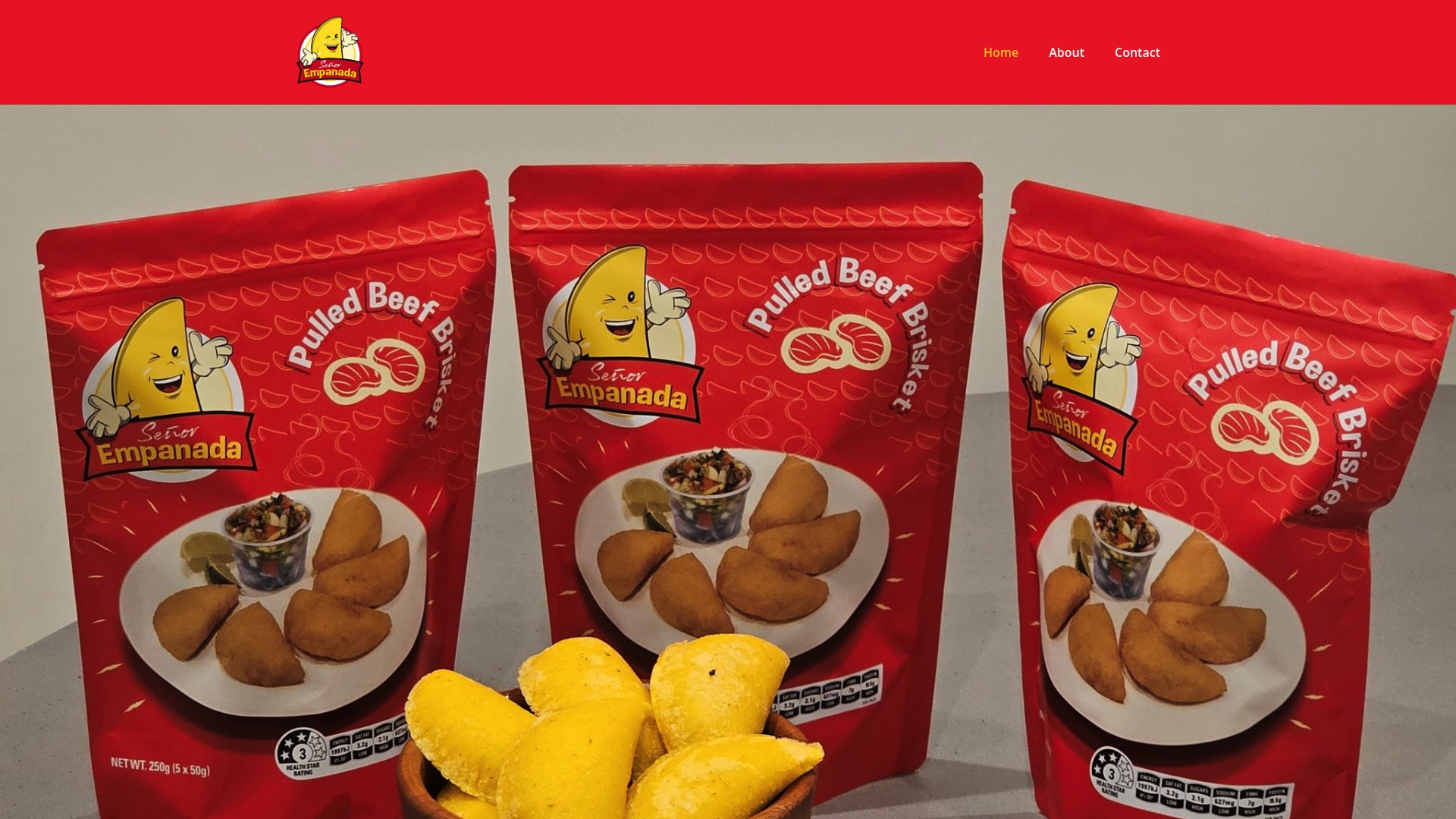
Not every night calls for mashing yuca from scratch, and that’s exactly why we make a full range of empanadas and sauces using the same traditional methods, ready to heat and serve. If you’d rather taste a benchmark before committing to a homemade batch, or you’re feeding a crowd and need catering sorted without the prep, browse our empanadas and sauces and see what fits your next gathering.
FAQ
Is cassava flour inflammatory?
Cassava flour itself is not classified as an inflammatory food, and it’s widely used as a gluten-free staple. As with any processed root flour, correct preparation matters more for safety than for inflammation, since cassava must be properly processed to remove naturally occurring cyanogenic compounds.
What is a yuca empanada?
A yuca empanada, also called an empanadita de yuca or catibía, is a Dominican pastry made from dough of mashed or rehydrated cassava root instead of wheat flour. It’s typically filled with seasoned beef, cheese or chicken and fried until golden and crisp.
What makes Argentinian empanadas different?
Argentinian empanadas are traditionally made with a wheat-flour dough rather than cassava, giving a flakier, more biscuit-like pastry. Cassava empanadas, by contrast, come from Caribbean traditions and produce a denser, chewier shell due to the root’s starch structure.
What does cassava bread taste like?
Cassava-based bread or dough has a mild, slightly sweet and earthy flavour compared with wheat, with a denser, chewier bite once cooked. The exact taste varies depending on whether it’s made from whole root or commercial cassava flour, since processing affects both texture and sweetness.
Sources
- Cyanogenic glycosides in cassava and bamboo shoots — Food Standards Australia New Zealand
- Gluten Free Empanadas (Empanaditas de Yuca) | Kitchen Frau