
Yes, you can make genuinely delicious dairy-free empanadas at home, and it takes nothing more exotic than a good pastry recipe and the right fat swap. Start with a dairy-free dough, whether that’s one you mix yourself or a labelled store-bought pastry, then bake or fry it depending on the texture you’re chasing. Gluten-free and vegan versions follow the same logic, just with a few extra handling notes we’ll walk through below.
TL;DR:
- Dairy-free empanada dough can be made with vegan butter, vegetable shortening, or neutral oil, with gluten-free options requiring xanthan gum for elasticity.
- Resting the dough for at least 30 minutes improves its flexibility, especially for gluten-free versions that use hot liquids and fats.
- Baking at 200°C for 20 to 25 minutes yields a golden crust, while frying produces a crispier texture better suited for wheat-based dough.
- Overfilling with wet fillings or not pre-cooking moisture-rich ingredients can cause soggy bottoms or cracks in the dough.
- Making or ordering empanadas depends on whether you prioritize control over ingredients or need convenience and consistency.
Table of Contents
- What ingredients go into dairy-free empanada dough?
- How do you assemble and cook empanadas step by step?
- What are the best dairy-free filling options?
- Which cooking method gives the best result: bake, fry or air fry?
- How do you fix crumbly dough or soggy bottoms?
- How long do dairy-free empanadas keep, and how do you reheat them?
- Why does dough quality matter more than the recipe you follow?
- DIY or order in: which makes more sense for you?
- Prefer to skip the flour and mess altogether?
- Sources
- FAQ
What ingredients go into dairy-free empanada dough?
Empanada dough is traditionally simple: flour, fat, liquid, salt, and sometimes an egg for structure. The dairy usually hides in the fat (butter) and occasionally in a milk-based glaze, both of which are easy to swap without losing the flaky, golden result you’re after.
Here’s our tested baseline for a standard wheat-based dairy-free dough, enough for around 12 medium empanadas:
- 3 cups (375g) plain flour
- 1 teaspoon salt
- 1/2 cup (115g) cold vegan butter or vegetable shortening, cubed
- 1 egg (optional, for structure; leave out for a vegan version)
- 3/4 cup (180ml) cold water or unsweetened plant milk
- 1 teaspoon apple cider vinegar (helps tenderness in egg-free versions)
Vegan butter behaves closest to dairy butter and gives the best flake, but vegetable shortening produces a slightly more forgiving, less crumbly dough if you’re new to pastry work. Neutral oils work too, though the pastry turns out shorter and less layered.
For gluten-free bakers, a tested blend of rice flour, cornstarch, and a gluten-free all-purpose mix rolls smoothly and holds together once you add xanthan gum, according to Gluten Free On A Shoestring’s dedicated empanada dough recipe. Xanthan gum does the job gluten normally handles, giving the dough enough elasticity to fold without cracking. Some cooks also work with rice flour and chickpea flour blends for a fully vegan and gluten-free base, per this vegan empanada dough recipe.
If you’d rather skip the mixing bowl entirely, check the ingredient panel on store pastry for milk solids, whey, or butter listed anywhere in the fine print; “buttery” flavouring is often a giveaway even when the front label says nothing about dairy.
Pro Tip: Keep your fat and liquid properly cold (or, for gluten-free dough, briefly hot then cooled) — temperature control matters more than the exact flour blend when it comes to getting a dough that rolls without tearing.

How do you assemble and cook empanadas step by step?
Good empanadas come down to dough handling more than filling flair. Master the checkpoints below and the rest looks after itself.
- Mix the dough. Combine flour and salt, then rub in cold vegan butter until the mixture looks like coarse crumbs.
- Add liquid. Stir in cold water (or plant milk) and vinegar just until the dough comes together. Don’t overwork it.
- Rest the dough. Wrap it and refrigerate for at least 30 minutes. This step matters even more for gluten-free dough, where a short rest improves elasticity and reduces cracking, as noted in The Best Gluten Free Empanadas.
- Roll and cut. Roll to about 3mm thick and cut circles using a 12 to 14cm cutter or a small bowl as a guide.
- Fill. Spoon 1 to 2 tablespoons of filling into the centre of each circle, leaving a clear border.
- Seal. Fold into a half-moon and crimp with a fork, or use the traditional repulgue twist for a rope-like edge.
- Cook. Bake or fry depending on the result you want (more on that below).
For gluten-free dough specifically, a hot-liquid-and-fat technique, where you warm the fat and liquid before stirring in the flour and xanthan gum, helps bind everything into a crust that holds together rather than crumbling apart, according to MellyFit’s gluten-free empanada dough method. Recipe testers report that assembling a full batch takes roughly 45 minutes to an hour once the dough has rested, which makes doubling the batch for the freezer a genuinely efficient move rather than extra effort, per this gluten-free, dairy-free, egg-free empanada recipe.
What are the best dairy-free filling options?
The filling carries the flavour, but the dough carries the structure, so keep fillings thick and well-seasoned rather than wet and sloppy.
- Seasoned beef: Brown mince with onion, garlic, cumin, smoked paprika, and a splash of stock; simmer until any liquid reduces to almost nothing before it touches the pastry.
- Legume mash: Mash cooked lentils or black beans with sautéed onion, garlic, and a spoon of tomato paste for body and colour.
- Vegetable and smoked paprika: Roast pumpkin, capsicum, and corn, then toss with smoked paprika and a splash of tamari for the umami depth that dairy would normally supply.
Building in a concentrated umami source, whether that’s tomato paste, tamari, or smoked paprika, replaces the flavour lift you’d normally get from cheese or butter, a point echoed in this vegan empanada dough recipe. Pre-cook and reduce any filling with natural moisture, like mushrooms or tomatoes, so it doesn’t weep into the pastry mid-bake. Stick to roughly 1 to 2 tablespoons per disc; overfilled empanadas split at the seams every time.
Which cooking method gives the best result: bake, fry or air fry?
Each method suits a slightly different dough and mood.
- Baking: 200°C, middle rack, 20 to 25 minutes, until golden. Brush with plant milk or a light oil beforehand for colour without eggs, a swap recommended in Go Dairy Free’s classic dairy-free empanada recipe.
- Frying: Oil at 180°C, 3 to 4 minutes per batch, turning once. Delivers the crispest, most traditional texture but suits sturdier wheat-based dough better than delicate gluten-free versions.
- Air frying: 190°C for 10 to 12 minutes, in a single layer with space between pieces so air can circulate.
- Gluten-free dough generally performs best baked or air-fried, since frying’s high heat can be less forgiving on a more delicate crumb structure.
How do you fix crumbly dough or soggy bottoms?
Most empanada failures trace back to two things: not enough fat or moisture in the dough, or too much moisture in the filling.
- Crumbly dough: Work in an extra tablespoon of cold water or melted vegan butter, a little at a time, until it holds together without cracking.
- Soggy bottoms: Pre-cook wet fillings until thickened, and consider a brief par-bake of the empty shell for very moist fillings.
- Weak seals: Wet your fingertip along the edge before crimping. Egg wash isn’t the only glue that works.
- Egg-free glazes: Plant milk or a light oil brush gives decent browning without eggs, though the colour will be a touch paler than a traditional egg wash.
- Gluten-free binders: Xanthan gum is the standard choice, but a flax “egg” (ground flaxseed and water) can help bind dough in a pinch.
Pro Tip: If your gluten-free dough keeps tearing when you fold it, chill it for another 15 minutes. Cold dough is far more forgiving than dough that’s even slightly warm.
How long do dairy-free empanadas keep, and how do you reheat them?
Raw dough keeps in the fridge for up to 3 days or the freezer for up to 3 months. Cooked empanadas last 3 to 4 days refrigerated.
- Freeze assembled uncooked empanadas flat on a tray first, then transfer to a bag, so they don’t stick together, and cook straight from frozen with a few extra minutes added.
- Reheat in the oven or air fryer to restore crispness; the microwave leaves pastry soft and a little sad.
- If your filling contains meat, make sure it’s reheated until steaming hot right through before serving.
Why does dough quality matter more than the recipe you follow?
At Senor Empanada, we’ve always believed the dough decides the empanada’s fate, not the filling. A brilliant beef and paprika mix cannot save a pastry that’s tough, dry, or falling apart at the seams, which is exactly why we treat dough handling as the real skill worth mastering, adapted or not.
- For a quicker path, a trusted labelled dairy-free pastry can be just as satisfying as a homemade one, particularly on a weeknight.
- For deeper technical guidance, our gluten-free masa guide and authentic pastry recipe guide cover dough troubleshooting in more depth than any single recipe post can.
- If you’re chasing filling inspiration beyond beef and lentils, our Latin American empanada recipes are a good next stop, and for seasonal plant-based pairing ideas, Wild Foodz’s seasonal vegan menu guide is worth a browse too.
DIY or order in: which makes more sense for you?
Making your own is worth it when you want full control over allergens, you’re feeding a small group, or you simply enjoy the process. Ordering makes more sense for parties, tight timeframes, or when consistency matters more than the satisfaction of doing it yourself. Either way, check our where to buy page if buying wins out on the day.
— Senor Empanada
Prefer to skip the flour and mess altogether?
Senor Empanada exists for exactly the moment this guide can’t solve: when you need a tray of genuinely good empanadas without spending your Saturday testing dough hydration. We make our range, including dairy-free options, from traditional recipes and quality ingredients, so you get the flavour without babysitting a rolling pin.
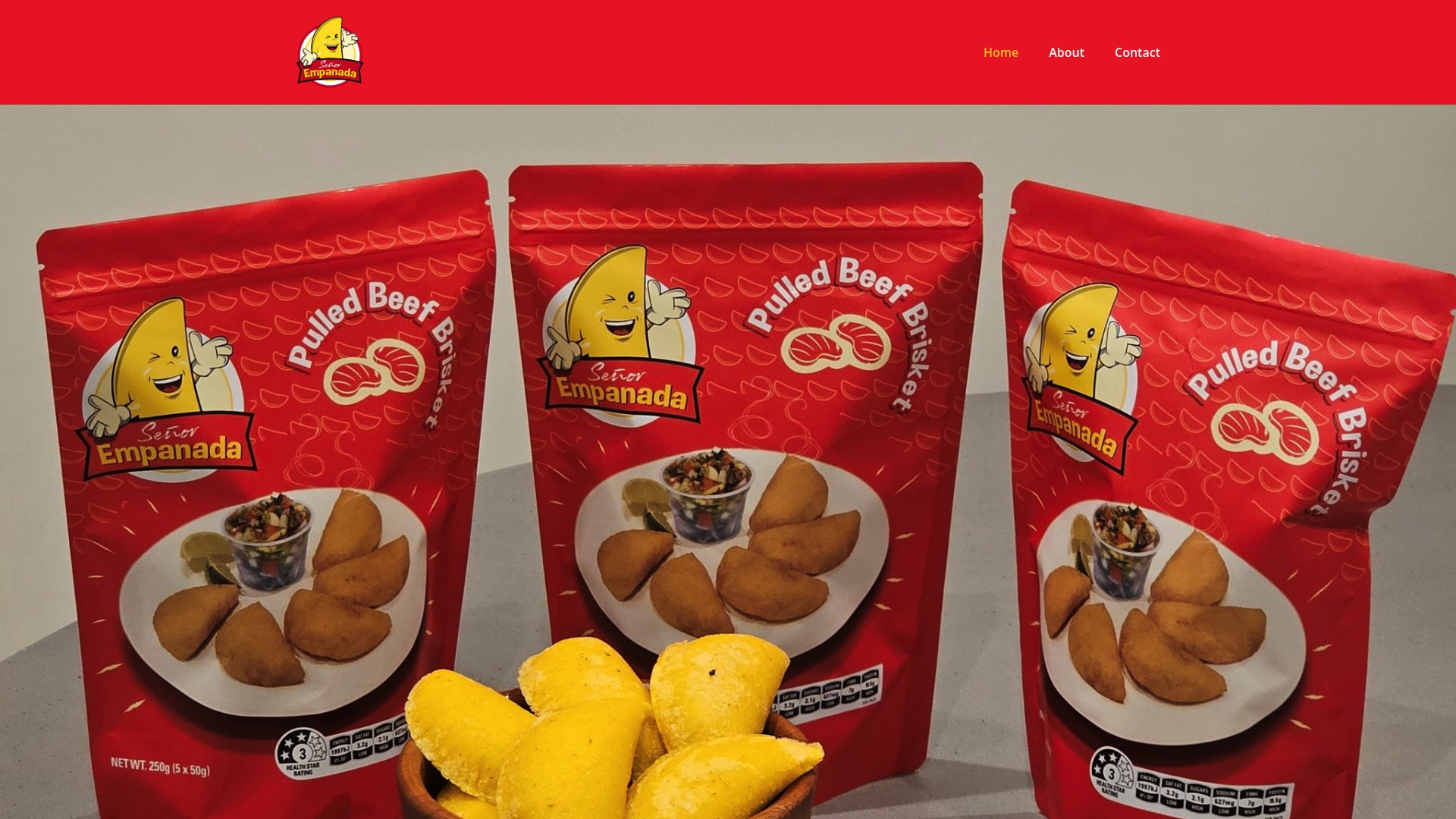
Ordering makes sense when time is tight, when you’re catering a group and need consistent results across every piece, or when you’d rather not gamble on a first attempt at gluten-free pastry the morning of a party. Our kids party snack range covers Latin flavours that suit fussy eaters and adults alike, and if you’re planning something bigger, our catering and party appetiser options are built for exactly that scale. Head to our where to buy page to find the fastest way to get a batch on your table this week.
Sources
For deeper dough technique, see our gluten-free masa guide and dough substitute options. External recipes referenced above cover gluten-free, vegan, and dairy-free technique in more detail.
- The Best Gluten Free Empanadas
- Classic Dairy-Free Empanadas: A Flashback Cooking for Kids Recipe
- Easy and soft vegan empanada dough recipe, ready in 30 minutes – Creative Recipes
- Mellyfit
FAQ
What is a good substitute for empanada dough?
Puff pastry, gluten-free pie crust, or wonton wrappers all work in a pinch, though texture and cook time will differ slightly from traditional empanada dough.
Is there milk in empanada dough?
Traditional recipes don’t require milk. Most dairy content comes from butter in the dough or a milk-based glaze, both of which swap out easily for vegan butter and plant milk.
How do I make eggless empanada dough?
Replace the egg with a splash of extra cold water or a teaspoon of apple cider vinegar to help bind the dough, and use plant milk instead of an egg wash for colour.
Do all empanadas have cheese in them?
No. Cheese is a common filling choice in some regional styles, but beef, chicken, vegetable, and legume fillings are all traditional and naturally dairy-free.