
Easy meal ideas for families are defined as recipes that combine quick preparation, simple ingredients, and broad appeal across different ages and tastes. The best family meals take 40 minutes or less, require minimal cleanup, and satisfy both adults and children without separate cooking. Batch cooking, meal planning, and build-your-own formats are the three techniques that consistently reduce weeknight stress for Australian families. This guide covers all three, plus specific meal ideas, picky eater strategies, and a flexible planning framework you can use straight away.
1. What are the best types of easy meals for families?
Family meals fall into three clear categories based on prep time. Quick meals take under 20 minutes and suit exhausted weeknights. Standard meals take 20–40 minutes and work for most evenings. Project meals take 40 minutes or more and belong on weekends when time allows.
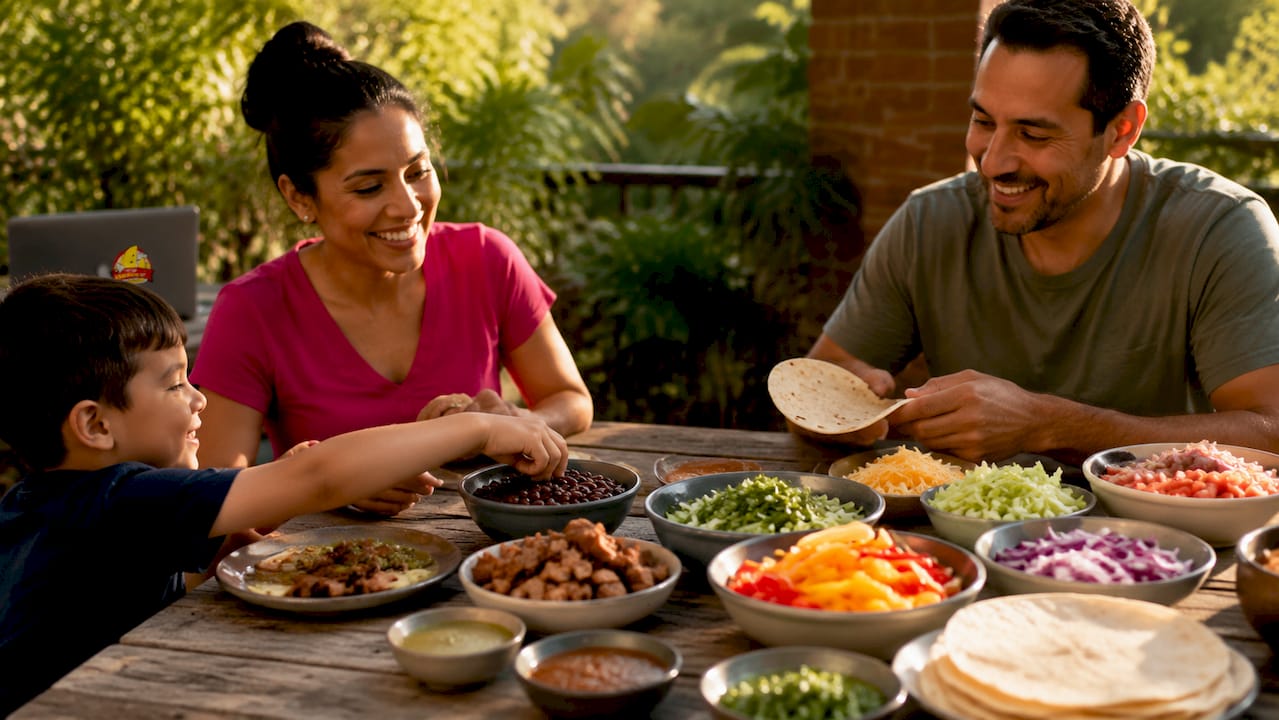
The most effective planning approach uses anchor meals each week rather than seven unique dinners. Cooking 3–4 larger meals and relying on leftovers cuts daily decision fatigue and reduces the chance of defaulting to takeaway. Anchor meals are the backbone of any realistic family dinner plan.
Three formats work especially well across all three time categories:
- One-pot dishes: Soups, stews, and pasta bakes that cook in a single vessel and leave minimal washing up.
- Sheet pan dinners: Protein and vegetables roasted together on one tray, requiring almost no active cooking time.
- Build-your-own meals: Taco bars, pizza nights, and grain bowls where each family member assembles their own plate from shared ingredients.
Pro Tip: Build-your-own formats are the single most effective tool for households with picky eaters. When children control what goes on their plate, mealtime conflict drops sharply.
2. Ten easy meal ideas for busy families
These ten meals are fast to prepare, budget-friendly, and flexible enough to satisfy different tastes at the same table.
- Black bean tacos: Ready in 15 minutes using canned black beans, shredded cheese, salsa, and corn tortillas. Customisable for every family member.
- Sheet pan fajitas: Slice capsicum, onion, and chicken, season with cumin and smoked paprika, and roast at 200°C for 25 minutes. Serve with warm tortillas.
- One-pot pasta: Cook pasta directly in seasoned stock with cherry tomatoes and spinach. The starch thickens the sauce naturally, and cleanup is one pot.
- Chicken quesadillas: Shredded rotisserie chicken, cheese, and a pan. Done in under 10 minutes and loved by kids of all ages.
- Slow cooker pulled pork: Set it in the morning, shred it at dinner. Serve over rice, in rolls, or with roasted sweet potato.
- Fried rice: A brilliant use of leftover rice, frozen peas, eggs, and soy sauce. Ready in 12 minutes and endlessly adaptable.
- Homemade pizza: Use store-bought bases and let kids add their own toppings. Dinner becomes an activity, and everyone eats what they built.
- Lentil soup: Cheap, filling, and packed with protein. A large batch feeds the family twice and freezes well.
- Baked salmon with roasted vegetables: Salmon fillets and chopped vegetables on a single tray, baked at 180°C for 20 minutes. Nutritious and nearly effortless.
- Grain bowls: Cook a large batch of brown rice or quinoa on Sunday. Pair with roasted chickpeas, avocado, and whatever vegetables are in the fridge.
Pro Tip: Keep a rotation of five to six meals your family reliably enjoys. Repeating favourites is not lazy cooking. It reduces stress and guarantees everyone eats.
3. How to manage picky eaters with easy meal strategies
Picky eating is normal, particularly between ages 2 and 6. Children need 10–15 exposures to a new food before they feel comfortable trying it. That number sounds daunting, but family meals provide repeated, low-pressure exposure without any extra effort.
The most practical tactic is the “safe base plus adventure side” approach. Serve one food you know your child accepts alongside one or two new or less familiar options. This prevents the short-order cook dynamic and keeps the table calm. Nobody gets a separate meal, but nobody goes hungry either.
Children expand their palate best when eating the same foods as adults in a calm, pressure-free family meal setting. Family meals provide hundreds of exposures and the kind of positive modelling that no amount of cajoling can replicate. The goal is not to force acceptance. It is to make new foods feel ordinary.
Practical tactics that work alongside this approach:
- Deconstruct dishes: Serve pasta sauce, pasta, and vegetables separately so children can choose what touches what.
- Involve children in preparation: Kids who help wash, stir, or assemble food are more likely to eat it.
- Avoid pressure and praise: Both create anxiety around food. Neutral language works better.
- Repeat without comment: Place the new food on the plate consistently and say nothing about whether it gets eaten.
Avoiding separate meal cooking while offering build-your-own options respects individual tastes without turning the kitchen into a short-order restaurant.
4. Batch cooking and meal prep tips for family dinners
Batch cooking on weekends saves families an average of 10 hours weekly and reduces food waste by 20–30%. That time saving alone makes it one of the highest-return habits a busy family can build.
The key principle is to batch components, not complete meals. Preparing core ingredients in bulk rather than finished dishes prevents soggy leftovers and gives you flexibility across the week. Cook a large batch of rice, roast a tray of vegetables, and poach or bake a protein. Those components combine into different meals each night.
Practical batch prep tasks to do on a Sunday:
- Cook a large pot of grains (rice, quinoa, or barley).
- Roast two trays of mixed vegetables.
- Bake or poach a large piece of chicken or a batch of meatballs.
- Chop onions, capsicum, and other aromatics and store them in airtight containers.
- Cook a pot of dried lentils or beans.
Pro Tip: Store prepped vegetables with a damp paper towel inside the container to keep them fresh for up to five days. Proteins and grains keep well in airtight containers in the fridge for the same period.
| Component | Prep method | Fridge life |
|---|---|---|
| Cooked grains | Boil and cool | 5 days |
| Roasted vegetables | Oven roast | 4–5 days |
| Cooked chicken | Bake or poach | 4 days |
| Chopped aromatics | Raw, airtight | 3–4 days |
| Cooked legumes | Boil and cool | 5 days |
5. How to build a flexible easy meal plan for your family
A flexible meal pool works better than a rigid weekly schedule. Instead of assigning specific meals to specific nights, build a list of 10–15 meals across four categories: crowd-pleasers, kid-approved, quick meals, and adventurous picks. Each evening, choose from the pool based on your energy and schedule.
Families who plan weekly meals save over $1,500 annually and report significantly less dinner-time stress. The savings come from buying only what you need and wasting less. The stress reduction comes from never facing the question “what’s for dinner?” with an empty mind.
Key steps to build your meal pool:
- Ask every family member to nominate three meals they love. This creates shared ownership and reduces complaints.
- Include at least two meals that take under 20 minutes for low-energy nights.
- Rotate staple ingredients (chicken, pasta, eggs, canned legumes) to keep grocery lists short and costs low.
- Audit lunches and snacks during your weekly planning session to prevent midday hunger and last-minute decisions.
Meal plans work best as intentions, not rigid contracts. Swap meals freely when schedules shift or energy runs low. The goal is fewer decisions under pressure, not perfect adherence to a timetable.
Key takeaways
The most effective approach to easy family meals combines anchor meals, batch-cooked components, and a flexible meal pool to reduce daily cooking decisions and keep the whole family fed without stress.
| Point | Details |
|---|---|
| Use anchor meals | Cook 3–4 larger meals per week and rely on leftovers to reduce daily effort. |
| Batch components, not dishes | Prep grains, proteins, and vegetables separately to keep meals fresh and flexible. |
| Apply the safe base strategy | Serve one familiar food alongside new options to reduce picky eater conflict. |
| Build a meal pool | Keep 10–15 family-approved meals on a list and choose nightly based on energy. |
| Plan to save money | Weekly meal planning saves families over $1,500 annually and cuts food waste. |
What we have learned from years of feeding families well
The most common mistake families make is treating meal planning as an all-or-nothing exercise. They plan seven unique dinners, cook two, feel like failures, and abandon the whole system by Wednesday. That cycle is exhausting and unnecessary.
What actually works is repetition. The same six meals, rotating across three weeks, with one new recipe tried each fortnight. Children thrive on familiarity. Adults stop dreading the question “what’s for dinner?” when the answer is already half-decided. Leftovers are not a failure. They are the point.
We have also seen how much build-your-own meals change the atmosphere at the table. When children assemble their own tacos or grain bowls, they feel a sense of ownership over the meal. They eat more, complain less, and the adults get to eat while the food is still warm. That is a genuine win.
The other shift worth making is around batch cooking. Two hours on a Sunday afternoon does not feel glamorous. But it means that on a Tuesday night, after school sport and homework, dinner is already half-done. That is the version of cooking that actually fits Australian family life.
— Senor Empanada
Senor Empanada: a flavourful shortcut for busy nights
Some nights, even the best meal plan meets a wall. The footy runs late, the kids are exhausted, and nobody has the energy to cook. That is exactly where Senor Empanada earns its place in your weekly rotation.
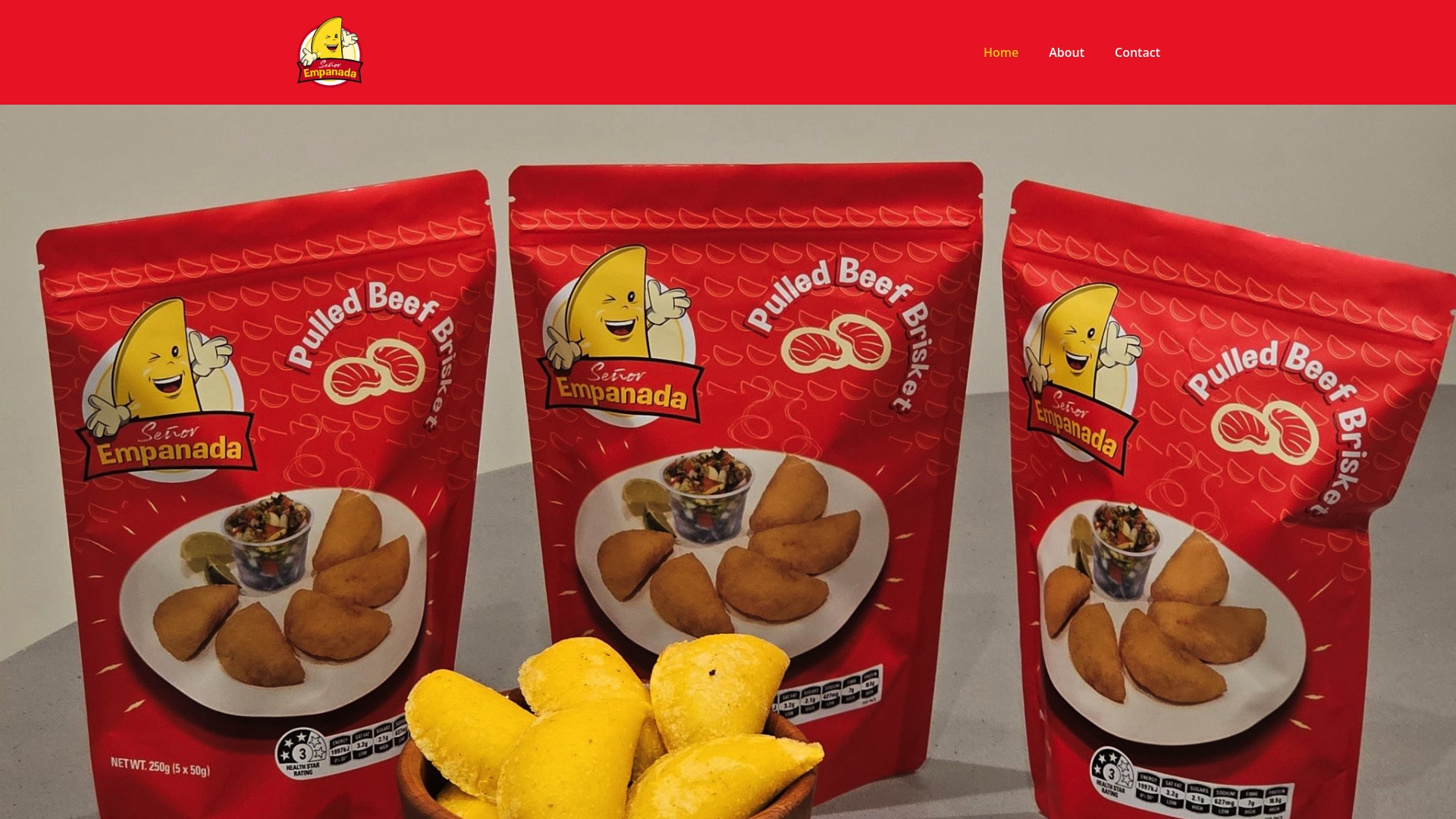
Senor Empanada crafts high-quality Latin American empanadas and arepas using traditional recipes and premium ingredients. The Traditional Beef Empanada and Cheesy Empanada are ready to heat and serve, making them a genuinely satisfying option on nights when cooking is not happening. They work as a quick dinner, a hearty snack, or a crowd-pleasing addition to a build-your-own spread. Explore the full range of empanadas and find your family’s new favourite shortcut.
FAQ
What counts as an easy family meal?
An easy family meal takes 40 minutes or less to prepare, uses simple ingredients, and appeals to both adults and children. One-pot dishes, sheet pan dinners, and build-your-own formats all qualify.
How many times does a child need to try a food before accepting it?
Children typically need 10–15 exposures to a new food before feeling comfortable with it. Repeated, pressure-free exposure at family meals is the most effective method.
How much can meal planning save a family each year?
Weekly meal planning saves families over $1,500 annually by reducing impulse purchases and food waste. Planning also cuts the time spent deciding what to cook each evening.
What is the best batch cooking approach for families?
Batch cooking components rather than complete meals gives the most flexibility. Cook grains, proteins, and vegetables separately and combine them into different dishes throughout the week.
How do I handle a family with very different food preferences?
Use a build-your-own meal format and the safe base strategy. Serve one familiar food alongside new options so everyone finds something to eat without requiring separate meals.