
A regular baked beef empanada sits between 250 and 350 kcal, while a fried version runs higher, with about 300 kcal as a fair quick-reference figure for a standard 120g pastry. The real variance comes down to three things: size and weight, how much fat is worked into the pastry, and whether it’s baked or fried. We’ll show you exactly how to work out the number for your own empanada, homemade or shop-bought.
TL;DR:
- Larger fried empanadas can contain up to four times the calories of small baked ones, mainly due to size and the oil absorbed during frying.
- Homemade empanada calorie estimates should account for ingredient weights, cooking method, and can vary by 30 kcal or more depending on portions and fillings.
- Switching to lean mince, thinner pastry, baking instead of frying, and adding vegetables can significantly lower empanada calorie content without sacrificing flavor.
- Store-bought empanadas usually have more sodium and fat than homemade versions, especially if they are fully fried or contain fattier cuts of meat.
- A typical baked beef empanada has around 250 to 350 kcal, with larger or fried versions reaching up to 500+ kcal, emphasizing portion size and cooking method over filling.
Table of Contents
- Empanada nutrition: what’s actually in those calories
- Empanada calories by size and cooking method
- How to estimate calories for homemade empanadas
- Restaurant empanadas vs homemade: where the calories creep in
- A worked example: calculating one 120g beef empanada
- Where Senor Empanada fits into the picture
- Fitting empanadas into a balanced plate
- Lighter empanada options, ready when you are
- Sources
- FAQ
Empanada nutrition: what’s actually in those calories
A beef empanada isn’t just a calorie count. It’s a small parcel of carbohydrate-heavy pastry wrapped around a protein-and-fat filling, and understanding that split matters more than the total number if you’re managing your diet.
Database entries give us a workable picture. FatSecret lists a beef empanada at roughly 263 kcal per piece, or 293 kcal per 100g, while Fitia’s entries for similar servings land in the mid-200s to mid-300s depending on how the portion is weighed. Neither figure is wrong. They’re just measuring slightly different empanadas.
Nutrition blogs citing USDA-style data put a large beef empanada (around 130g) at roughly 16g protein, 25g fat, and 36g carbohydrate, according to Your Latina Nutritionist. That same empanada carries about 9g of saturated fat and 597mg of sodium, which is worth flagging if you’re watching either.
Saturated fat and sodium callout: a single large beef empanada can deliver close to half a day’s recommended saturated fat intake and around a quarter of the sodium ceiling many health authorities recommend, largely from the pastry’s fat content and any added salt in the filling.
The protein content (roughly 16g in a large empanada) does real work for satiety. Combined with the small amount of fibre in the onion and capsicum often folded into the beef filling, that protein is why one empanada can feel more filling than its calorie count suggests. A few things shift the numbers more than people expect:
- The ratio of pastry to filling changes total fat more than the beef does.
- Store-bought empanadas often carry more sodium than homemade ones because of pre-seasoned fillings.
- Database figures for the “same” empanada can swing by 30 kcal or more depending on portion definition.
Empanada calories by size and cooking method
Size and cooking method do more to shift the calorie count than the filling ever will. SnapCalorie’s nutrition guide puts a typical medium empanada at 250 to 350 kcal, and notes that frying adds roughly 20 to 30% more energy than baking the same recipe. That’s the oil the pastry soaks up during frying, not the beef.

Sources summarising the wider empanada category put the full range from 120 kcal for a mini baked empanada up to 500+ kcal for a large fried one. Here’s how that breaks down by size:
Notice that a large fried empanada can carry close to four times the calories of a mini baked one, purely on size and cooking method, with no change to the filling at all. If you’re tracking calories seriously, knowing which band your empanada sits in matters far more than agonising over the exact figure. A regular baked empanada and a large fried one aren’t really the same food group, calorically speaking, even if they look similar on a plate.
How to estimate calories for homemade empanadas
Store-bought labels help, but your own kitchen recipe is a different animal. Here’s the process we’d use to get a genuinely accurate number:
- Weigh your raw ingredients. Get the mince, pastry, oil, and any cheese or egg wash on the scale before you start cooking, and note each weight in grams.
- Look up calories per 100g for each ingredient. A database like FatSecret or a USDA-style reference works fine for this. Beef mince, flour, butter, and oil all have well-documented per-100g values.
- Total the recipe and divide by the number of empanadas. Add up every ingredient’s calories, then divide by however many empanadas the batch makes.
- Adjust for cooking method. Baking loses a little moisture but adds negligible calories. Frying adds calories through oil absorption, so nudge the estimate up 15 to 20% if you’re deep-frying rather than baking.
Pro Tip: Round your per-empanada estimate to the nearest 10 kcal rather than chasing decimal-point precision. Kitchen scales have their own margin of error, and pretending your homemade empanada is exactly 267 kcal instead of “around 270” doesn’t make the number more useful.
Restaurant empanadas vs homemade: where the calories creep in
Commercial empanadas are almost always higher in calories than a home-baked equivalent, and it’s rarely the beef’s fault. Thicker pastry, deep frying, fattier mince cuts, and a heavier hand with cheese or oil in the filling all push the number up without changing the empanada’s size on the plate.
A few swaps make a real difference if you’re cooking at home:
- Choose lean mince over standard beef mince to cut fat without losing flavour.
- Roll pastry slightly thinner, which reduces the pastry-to-filling ratio driving most of the calorie load, according to SnapCalorie’s nutrition breakdown.
- Bake or air-fry instead of deep-frying, and brush with egg wash instead of oil for that golden finish.
- Bulk the filling with diced capsicum or onion, which adds volume and fibre without much energy.
Pro Tip: Pair one empanada with a side salad or steamed vegetables rather than a second empanada. It fills the same gap on your plate for a fraction of the calories, and adds fibre the pastry doesn’t have.
A worked example: calculating one 120g beef empanada
Let’s build the number from scratch. Assume a batch of six empanadas using 300g lean beef mince, 400g pastry, 20g oil for the filling, and one egg for the wash.

Using representative per-100g values (beef mince around 250 kcal, pastry around 300 kcal, oil around 880 kcal, egg around 155 kcal), the batch totals roughly 2,250 kcal. Divide by six empanadas and you land at approximately 375 kcal each, comfortably inside the regular baked band. Add a handful of shredded cheese to the filling and that figure can climb by 30 to 40 kcal per empanada without anyone noticing the difference in taste. This is exactly why margins of 10 to 20% for homemade recipes are worth building into any estimate.
Where Senor Empanada fits into the picture
We build every recipe on traditional technique, which means we understand pastry ratios and filling composition better than most calorie counters ever will. If you’re chasing a lighter option, our guide to gluten-free empanada masa covers how different pastry bases change the nutrition profile, and our arepa calories breakdown is a useful comparison if you’re weighing up Latin American snacks side by side. If you need lab-verified figures for a specific product, get in touch and we’ll point you to the right nutrition information for your order.
Fitting empanadas into a balanced plate
One empanada, especially a regular baked one, sits comfortably as a snack. Two or more, particularly fried, starts edging into main-meal territory, and that’s fine, provided the rest of your plate pulls its weight. We’d always pair an empanada with something that brings fibre and volume without much energy: a green salad, a scoop of black beans, or grilled capsicum and zucchini. Run the estimation method from earlier before you plan a multi-empanada spread, because three large fried empanadas can quietly become a 1,500 kcal meal before you’ve added a drink.
— Senor Empanada
Lighter empanada options, ready when you are
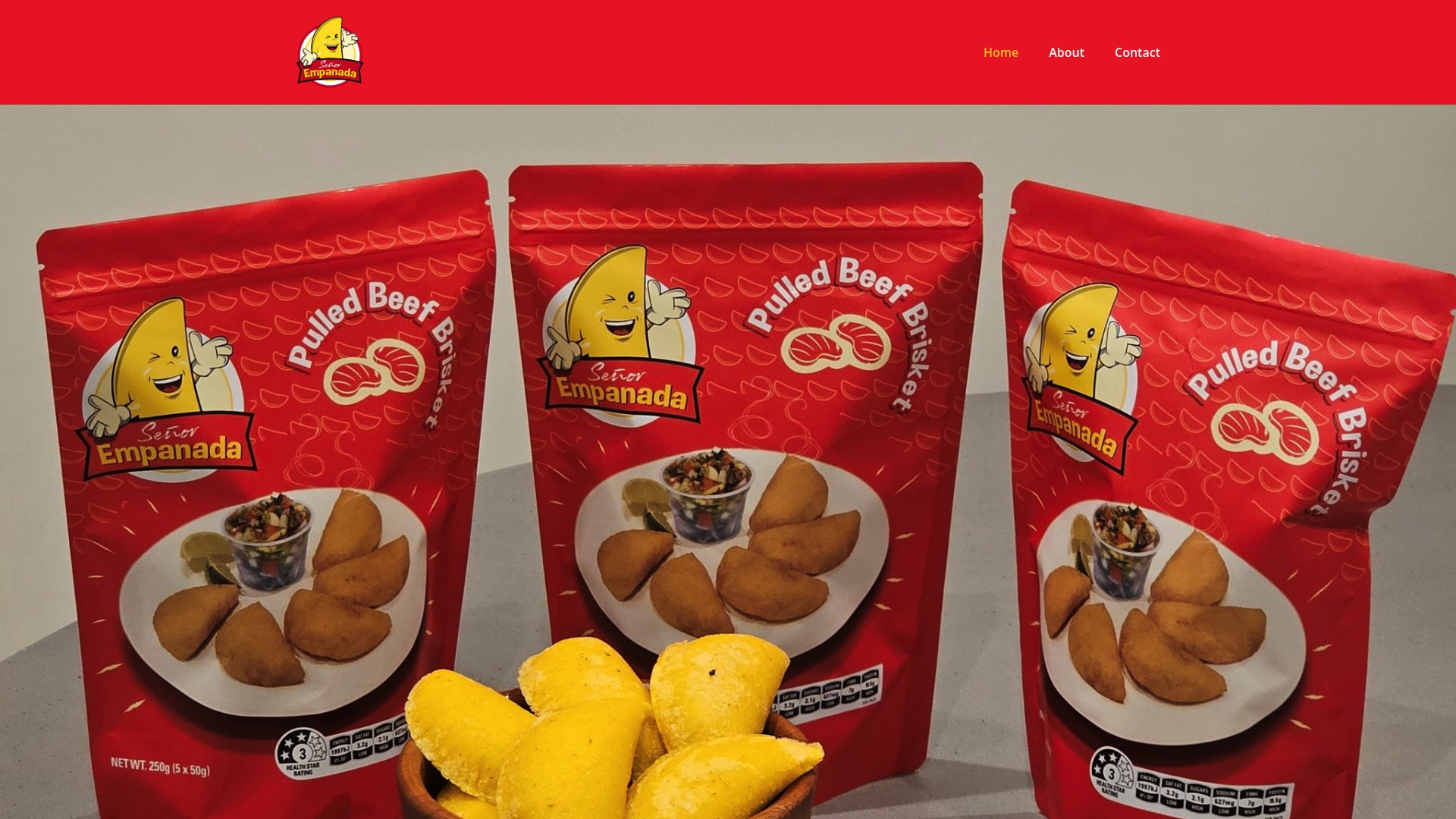
Not every calorie-conscious day calls for a kitchen scale and a spreadsheet. We offer authentic beef empanadas made the traditional way, so you know exactly what’s going into each one without guessing at restaurant portions or mystery oil content. Unlike a takeaway stall where the pastry thickness and frying oil change from batch to batch, some recipes stay consistent, which makes them easier to fit into your own calorie tracking.
If you’re planning a get-together, our Latin appetisers for a party guide has plenty of pairing ideas that keep the whole spread lighter, and our where to buy page will point you to your nearest stockist. Want product-specific nutrition figures for a catering order? Reach out and we’ll get you the exact numbers before you commit to a headcount.
This article is general information, not a substitute for advice from a qualified doctor. Consult a qualified healthcare professional about your own circumstances before acting on anything here.
Sources
- Beef Empanadas Calories and Nutritional Information
- Empanada: Complete Nutrition Guide – SnapCalorie
- Empanadas calories explained: how many calories are in one empanada? – KimEcopak
FAQ
How many calories are typically in an empanada?
A regular baked beef empanada runs between 250 and 350 kcal, while a fried one typically has notably more calories, depending on size and pastry thickness.
How many calories are in one beef empanada?
A single regular beef empanada averages around 300 kcal, with smaller versions carrying fewer calories and larger fried ones containing more.
Can I eat empanadas on a diet?
Yes, in moderation. A baked, regular-sized beef empanada paired with a salad or vegetables fits comfortably into most calorie budgets, especially if you choose lean mince and thinner pastry.
Why are empanadas so high in calories?
The pastry, not the filling, drives most of the calorie count. Frying adds a further 20 to 30% on top of baked figures because the dough absorbs oil during cooking, according to SnapCalorie.
Are empanadas gluten free?
Traditional wheat-based pastry isn’t gluten free, but alternative masa recipes using corn flour can be. A gluten-free masa guide covers how to make that swap without losing the texture people expect from a good empanada.