Choose kraft board with a greaseproof lining for takeaway, insulated compartment boxes for delivery, sealed trays or stand up pouches for frozen retail, and certified compostable board where sustainability is part of your story. Each channel puts different stress on packaging, so the right choice depends on how far your empanadas travel and how long they sit before someone bites into one. Read on for the material breakdown, the small design tweaks that stop soggy pastry, and where to source it all without blowing your budget.
TL;DR:
- Proper ventilation and grease-resistant liners are crucial to prevent sogginess and maintain empanada crispness during transport.
- For short delivery times, foil-lined trays or insulated sleeves help keep empanadas warm without moisture buildup.
- Packaging suited to sales channels must prioritize insulation, compartments, and tamper seals for delivery and catering, while retail favors visibility and branding.
- Cost-effective options include stock kraft boxes with stickers or digital short-run printing, but sourcing and certification verification remain essential.
- Small design tweaks like adding windows, QR codes, or embossed logos enhance perceived value without significant expense.
Table of Contents
- What are the best empanada packaging ideas for small food brands?
- How do you keep empanadas fresh and crisp during transport?
- How can you make empanada packaging more attractive to customers?
- What packaging formats suit different sales channels?
- How much does empanada packaging cost, and where do you source it?
- Real-world packaging lessons from Señor Empanada
- What packaging advice is genuinely worth following?
- Need catering-ready empanadas without designing packaging from scratch?
- Sources
- FAQ
What are the best empanada packaging ideas for small food brands?
Getting this right starts with understanding what each material actually does to your product, not just how it looks on a shelf.
Paperboard and kraft boxes with a greaseproof or wax lining remain the workhorse choice for most empanada businesses. They hold their shape, take print well for branding, and the lining stops oil from soaking through and staining the outer surface. Kraft paperboard with a greaseproof or foil lining is widely recommended precisely because it balances a strong branding surface with genuine grease resistance, which matters when you’re handing a warm box straight to a customer.
Foil-lined bags and foil trays hold heat far longer than plain paper, making them useful for short-hop delivery or holding empanadas warm at a market stall. They’re not built for long transit, though. Beyond a short period, condensation builds inside the foil and softens the pastry.
Windowed boxes using a biodegradable film let customers see the golden crust and filling before they buy, which lifts perceived freshness at a glance. The trade-off is barrier performance. Windowed boxes increase visibility but require compromises on grease and moisture barrier, so they suit display and short-hold retail better than long delivery runs.
Compostable and bioplastic options, including PLA and PBAT blends, appeal to brands building an eco-friendly empanada boxes story. They genuinely reduce landfill impact when your local composting infrastructure can actually process them, but that’s a real caveat, not a formality.
Corrugated cartons or clamshells suit bulk catering orders where stacking strength matters more than shelf appeal.
A simple selection rule works across all of it: match material to route-to-customer. Walk-in sales can use lighter kraft. Delivery needs insulation and grease resistance working together. Frozen retail needs a sealed barrier that survives a freezer and a supermarket shelf.

How do you keep empanadas fresh and crisp during transport?
Freshness comes down to five design decisions, most of which cost nothing extra to specify when you’re briefing a supplier.
- Ventilation — small vents placed high on the box sides let steam escape without dumping all the heat. Too many vents and the pastry cools fast; too few and it goes soggy from trapped moisture.
- Grease resistance — a greaseproof liner or waxed paper wrap stops oil migrating into the branding layer, and an absorbent pad underneath catches any excess.
- Insulation — foil liners or double-wall board extend the window where an empanada stays genuinely warm, roughly the difference between a soggy disappointment and a satisfying bite forty minutes later.
- Portion control — compartments or simple cardboard dividers stop empanadas crushing against each other and keep different fillings from mixing flavours in transit.
- Tamper evidence and sauce wells — a sealed sticker across the lid and a small dip compartment reassure delivery customers the box hasn’t been opened, and stop sauce sloshing over the pastry.
Combining a greaseproof lining with functional venting and compartments is the approach most consistently recommended for filled pastries, because material and design solve different problems and neither works alone.
Pro Tip: Run a fifteen to thirty minute holding test before committing to a supplier order. Pack a batch, seal it, and check the pastry at both time marks. If the bottom has gone soft or the box has visible condensation, adjust vent size or lining before you print five thousand units of the wrong design.

How can you make empanada packaging more attractive to customers?
Branding doesn’t need a big print run to look considered. It needs a few deliberate choices that signal care.
- Printing options range from full colour litho for large runs to digital short runs or simple stickers for small batches, letting you match spend to order volume rather than overcommitting early.
- QR codes placed on the lid or side panel can link straight to reheating instructions, your menu, or an ordering page, turning packaging into a marketing channel rather than just a container.
- Stickers and seals work well for single serve authenticity, seasonal themes, or limited edition flavours without touching your core box design.
- Window shapes, embossing, and textured finishes communicate positioning fast. A minimal kraft box with one bold stamp reads differently to a customer than a fully printed, full colour carton, and neither is wrong, they just say different things about price and occasion.
- Food-safe labelling should always list ingredients, allergens, reheating instructions, and a batch code, which builds trust and keeps you compliant with food safety labelling requirements.
Interactive and culturally inspired packaging — think storytelling elements or a QR-led recipe story — tends to lift engagement and gives customers a reason to photograph and share, which is free marketing most small brands underuse.
What packaging formats suit different sales channels?
The channel you’re selling through should decide the format before branding ever enters the conversation.
- Takeaway and food trucks do well with single serve windowed sleeves, handled boxes for easy carrying, and quick-open wraps that don’t need a customer to fight with tape.
- Delivery needs compartment boxes, an insulated sleeve or liner, tamper seals, and a dedicated sauce compartment so nothing shifts en route.
- Frozen retail and farmers markets call for stand-up pouches or sealed trays with a clear cooking and reheat label, built to survive freezer storage and a retail shelf. A small, adaptable pack structure lets you experiment with new flavours on a modest budget without redesigning the whole line.
- Catering and platters suit compartment trays, tiered boxes for events, and gift-style packaging for corporate orders. If you’re planning volumes for a gathering, our empanadas per person guide helps size the order before you size the box.
- Mixed orders benefit from modular boxes with removable inserts, letting a customer get a variety pack without you needing three separate box designs.
For catering-scale packaging, the same office-catering logic applies as individual lunch box briefs for corporate orders, where compartments and stackability matter more than decoration.
How much does empanada packaging cost, and where do you source it?
Cost is driven by five variables: base material, print complexity, diecut shape, window film, and any functional lining, all multiplied by order quantity. A plain kraft box with a one-colour stamp costs a fraction of a fully printed, windowed, foil-lined carton, and for most small runs that difference matters more than any aesthetic preference.
- Stock versus custom — stock boxes with a printed sticker suit low-volume or seasonal runs; custom printed boxes only pay off once you’re ordering consistently at scale.
- Minimum order quantities vary widely between suppliers, so ask about short-run digital printing before assuming you need a large commitment.
- Sourcing channels include local print suppliers, packaging marketplaces, eco-specialist vendors for compostable empanada boxes, and wholesale distributors who often carry stock kraft ranges.
- Supplier brief checklist: exact dimensions, grease resistance rating, compostable or recyclable certification if claimed, and realistic lead times before your busy season hits.
Always verify certification claims directly with the supplier. Sustainability claims on compostable and plant-based films vary, and what composts in an industrial facility won’t necessarily break down in a home compost bin.
Real-world packaging lessons from Señor Empanada
We pack differently for a corporate platter than we do for a takeaway order, because the job each box does is different. Catering packaging has to survive being carried, stacked, and opened by someone who isn’t us, so compartments and tamper seals matter more than they do for a counter sale someone eats within minutes.
Reheating guidance on the label matters more than most brands realise, and clear reheating instructions cut down on the “why is mine soggy” messages we used to get. For party platters and kids’ party orders, smaller compartmentalised trays can help keep empanadas separate, avoiding them touching other items. Small branding swaps, a better sticker, a printed napkin, can lift how premium a box feels without changing the box itself.
What packaging advice is genuinely worth following?
Most packaging advice treats material choice as the whole decision. It isn’t. We’ve seen brands agonise over kraft versus foil while ignoring the vent placement that actually determines whether the pastry survives the trip.
The conventional wisdom oversells premium materials and undersells testing. A $2 board upgrade means nothing if nobody ran a thirty-minute holding check before the print order went in. Cheap kraft with a well-placed vent and a decent grease liner will consistently outperform an expensive box designed without any thought to airflow.
Our honest take: prioritise the boring functional details first, ventilation, grease resistance, portioning, then spend your design budget on the one branding touch customers will actually notice, a sticker, a window, a QR code. Try one change a week rather than overhauling everything at once. You’ll know within a fortnight whether a tweak reduced soggy complaints or increased repeat orders, and that’s a far better signal than any supplier’s sample catalogue.
— Senor Empanada
Need catering-ready empanadas without designing packaging from scratch?
Señor Empanada already solves the packaging problem for you, every catering and party order arrives portioned, sealed, and ready to serve, so you’re not sourcing boxes, testing vent placement, or briefing a printer before your next event. Whether it’s a corporate lunch, a birthday, or a market stall order, our platters and party packs are built around the same freshness principles covered above, minus the trial and error.
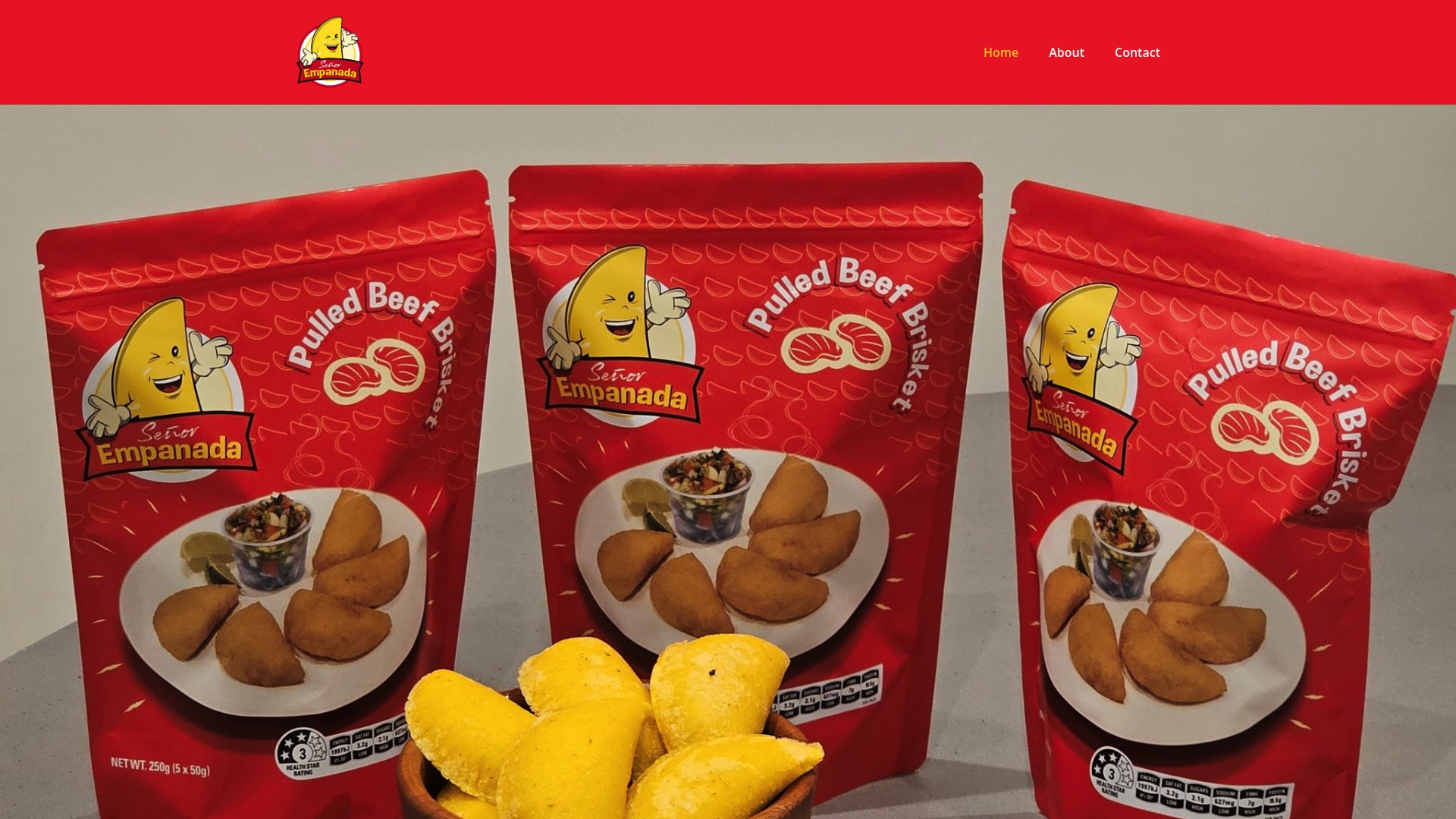
If you’re planning a gathering, our kids party snacks range covers easy Latin flavours sized for groups, and retailers or event planners after volume can enquire through our where to buy page for wholesale and sample pack requests. Get in touch to request a quote or ask about sample packs before your next order.
Sources
- Empanada Packaging: The Complete Guide to Choosing the Best Packaging – KimEcopak
- Myboxprinter
- 40+ Empanada Packaging Ideas to Spice Up Your Brand – Arka
- The Empanada Kitchen Is Serving Up Deliciousness in Adorable Packaging – DIELINE
FAQ
What are some creative packaging ideas for empanadas?
Windowed kraft boxes, QR-linked reheating stickers, and compartmentalised catering trays all lift perceived value without major cost increases, particularly when paired with a simple themed sticker for seasonal runs.
What are some affordable empanada packaging ideas?
Stock kraft boxes with a printed sticker instead of a full custom print run keep costs low, and digital short-run printing lets you test a design before committing to bulk quantities.
How do you make empanada packaging more attractive?
Add a window to show the crust, use a bold stamp or embossed logo on minimal kraft board, and include a QR code linking to your menu or reheating instructions, small touches that signal care without a big print budget.
What packaging keeps empanadas crisp during delivery?
Insulated compartment boxes with a grease-resistant liner and a small ventilation gap hold heat while letting steam escape, which is the combination most consistently recommended for filled pastries.
Is compostable empanada packaging worth it?
It’s worth it when your local composting infrastructure can actually process the material, so verify certification and local facilities with your supplier before advertising a box as compostable.