
For most gatherings, bake a big batch of empanadas as your main supply and fry a small batch fresh just before guests arrive. Prep everything ahead, freeze what you can, and reheat on the day. Budget a few empanadas per guest for a cocktail-style event. If cooking for a crowd feels like too much on top of everything else, Ready-made catering packs cover the same ground without the kitchen marathon.
TL;DR:
- Baking the majority of empanadas in advance reduces kitchen stress and allows for reheating, while frying small batches just before serving adds freshness.
- Traditional dough with butter or lard provides the best flavor and freeze-reheat performance, but puff pastry offers a quick alternative for casual parties.
- For large events, preparing and freezing separate batches of uncooked empanadas ensures consistent quality and easier handling on the day.
- Planning 3 to 4 empanadas per guest for cocktail events, with higher amounts if they are the main dish, helps avoid running out during the party.
- Ordering frozen or catering packs simplifies logistics, with most options lasting up to three months in the freezer and requiring simple reheating steps.
Table of Contents
- Baked vs fried vs frozen: quick decision guide for an event
- Party-ready empanada recipe: dough, beef filling and bake method
- Two party-friendly filling variations for dietary needs
- Dough options and shortcuts for party scale
- Make-ahead, freezing and reheating: timelines and safe practice
- Portions and planning: how many empanadas per guest
- Sauces and serving ideas: six quick dips and presentation tips
- Ordering and catering checklist for hosts who outsource
- Senor Empanada: what we learn from catering events
- Senor Empanada catering packs and how to order
- Sources
- FAQ
Baked vs fried vs frozen: quick decision guide for an event
The method you choose changes everything else about your party, from how much oven space you need to how relaxed you feel an hour before guests walk in.
Baked empanadas are the workhorse of a party spread. They hold their shape, reheat evenly, and let you cook 40 or more at once without babysitting a pot of oil. The trade-off is texture: the pastry is crisper on the outside but never quite matches the shattering crunch of a freshly fried one. That’s why chef Sarai Castillo’s approach to entertaining leans on a hybrid method: prep the parcels ahead, then fry a small batch about 20 minutes before guests arrive, so there’s always something hot and fresh coming off the stove.
Frying delivers the best flavour and mouthfeel, but it demands attention. You need a deep pot, a thermometer, and someone willing to stand near hot oil while everyone else is mingling. For anything over 30 pieces, frying alone becomes a logistics headache rather than a party trick.
Frozen, heat-and-serve empanadas solve the numbers problem. If you’re catering for 60, 80, or 100 people, or you need to transport food to a venue, frozen stock straight into a hot oven is far more forgiving than juggling a fryer in someone else’s kitchen.
The smartest move for most parties is a mix: bake the bulk of your order, then fry a smaller portion to order. It gives guests the best of both textures and takes pressure off a single cooking method.
Consider these factors before you commit to one approach:
- Oven capacity and whether you can run two trays at once
- Access to a fryer or a deep, heavy-based pot at the venue
- Distance and time between kitchen and serving table
- Whether you have someone dedicated to cooking during the party, or need it all done beforehand
Pro Tip: If you’re feeding a crowd at someone else’s house or a hired venue, skip the fryer entirely. A tray of frozen empanadas straight into a 200°C oven for 25 to 30 minutes is nearly foolproof and frees you up to actually enjoy the party.
Party-ready empanada recipe: dough, beef filling and bake method

This is the recipe to default to when you need something that travels well, reheats cleanly, and pleases almost every guest.
Dough (makes roughly 20 empanadas):
- 500g plain flour
- 1 teaspoon salt
- 115g cold butter, cubed
- 1 egg
- 125ml cold water (approximately)
- 1 tablespoon white vinegar
Beef filling:
- 500g beef mince (chuck or brisket mince works well)
- 1 onion, finely diced
- 2 cloves garlic, minced
- 1 teaspoon ground cumin
- 1 teaspoon smoked paprika
- 2 tablespoons tomato paste
- 1 hard-boiled egg, chopped (optional, but traditional)
- A handful of green olives, chopped (optional)
- Salt and pepper to taste
- 1 egg, beaten, for glazing
Pantry swaps that work fine: skip the olives and boiled egg if you’re short on time or catering to fussier eaters, and swap smoked paprika for regular paprika plus a pinch of chilli flakes if that’s what’s in the cupboard.
Method:
- Make the dough first. Rub the cold butter into the flour and salt until it resembles coarse crumbs. Whisk the egg, water and vinegar together, then bring the dough together with your hands. Don’t overwork it. Wrap in plastic and rest in the fridge for at least 30 minutes.
- Brown the mince in a hot pan with a little oil. Add onion and garlic once the meat has coloured, and cook until soft.
- Stir in cumin, paprika and tomato paste. Cook for another two minutes until fragrant.
- Season, then take the pan off the heat. This part matters more than people think: hot filling straight into raw dough steams the pastry from the inside and leaves you with a soggy empanada. Cool the filling completely, ideally in the fridge, before assembly.
- Once cool, stir through the chopped egg and olives if using.
- Roll the dough to about 3mm thickness and cut into 12cm to 14cm rounds.
- Spoon roughly two tablespoons of filling onto each round, fold over, and seal the edge. A simple crimp with a fork works, or use the traditional repulgue pleating if you want the classic look.
- Brush each empanada with beaten egg for a glossy finish.
- Bake at 190°C for 18 to 25 minutes, until golden brown and firm to touch.
Scaling notes: for 30 pieces, one and a half times the recipe above covers you comfortably. For 60, double the dough batch and the filling batch separately rather than trying to work with one giant bowl of each. For 100, work in three separate dough batches so nothing sits out too long and goes soft before rolling. Make-ahead checkpoints line up neatly with these batches: assemble and freeze uncooked empanadas at the 30 and 60 mark, and bake straight from frozen on the day, adding around five extra minutes to the bake time.
Two party-friendly filling variations for dietary needs
A platter of only beef empanadas leaves vegetarians and anyone avoiding red meat with nothing to eat. Two reliable variations solve most of that problem without doubling your workload.
Vegetarian and cheese filling: roast a mix of pumpkin, capsicum and zucchini until they’re properly caramelised, not just softened. Chop finely once cooled, then mix through grated mozzarella or a firmer cheese like a mild cheddar. The key issue with vegetarian fillings is moisture. Roasted vegetables release liquid as they sit, so drain them well and let them cool fully before combining with cheese, or you’ll end up with a filling that leaks through the seal.

Chipotle shredded chicken (tinga): poach or slow-cook chicken thighs, then shred while warm. Toss through a quick tinga-style sauce of chipotle in adobo, blended tomato and a touch of onion. This is the filling Chef Sarai Castillo recommends for entertaining, since it can be made a day ahead and only improves as the flavours sit.
For dietary coverage across a full platter, keep these in mind:
- Vegan swap: use a firm tofu scramble or extra roasted vegetables with a plant-based cheese instead of dairy
- Gluten-free swap: a corn-based masa dough replaces wheat pastry, though it handles differently when rolling
- Allocate roughly 60% beef, 25% chicken, 15% vegetarian on a mixed platter unless you know your guest list skews heavily one way
- Label each tray clearly, even at a casual party, since allergies and preferences aren’t always obvious by looking
Dough options and shortcuts for party scale
The dough you pick affects flavour, but it also affects how well your empanadas survive freezing, transport and reheating, which matters more at party scale than in a quiet weeknight kitchen.
Traditional empanada dough, made with butter or lard, gives the most authentic result and holds up best to freezing because the fat content keeps it from drying out. It takes longer to make and needs a proper rest in the fridge, but for anyone serious about the right pastry for empanadas, it’s worth the extra 30 minutes.
Quick butter dough shortcuts exist for hosts short on time, trading a little flakiness for speed. Store-bought puff pastry is the fastest option of all. It’s genuinely common in party recipes because it saves hours, though the texture ends up lighter and more brittle than a traditional dough, closer to a sausage roll than a classic empanada.
For guests avoiding gluten, a corn masa dough is the standard swap. It behaves differently under your hands, being less elastic and more prone to cracking, so working in smaller batches and keeping it moist matters more than with wheat dough.
Quick reference for choosing:
- Traditional butter dough: best flavour, freezes and reheats well, needs the most prep time
- Puff pastry: fastest option, works for a casual party, doesn’t freeze or reheat as cleanly
- Corn masa: necessary for gluten-free guests, needs a gentler hand and shorter chilling time
Pro Tip: If you’re making dough for more than 60 empanadas, prepare and chill it in two or three separate batches rather than one huge one. A single oversized batch is harder to roll evenly and tends to warm up and turn sticky before you’ve finished shaping.
Before you start rolling, run through this checklist: dough rested for at least 30 minutes, filling completely cooled, rolling surface floured, and a clear tray ready for finished pieces so nothing sits crowded and sticks together.
Make-ahead, freezing and reheating: timelines and safe practice
This is where party empanadas earn their reputation as genuinely convenient food, provided you follow a proper cooling and freezing sequence.
- Cook fillings completely, then cool them in the fridge before assembly. Never fill pastry with warm mixture.
- Assemble empanadas as normal, then lay them uncrimped-side up on a tray lined with baking paper, spaced so they don’t touch.
- Flash-freeze the assembled parcels on that tray for two hours before transferring them into airtight bags. This stops them fusing into one solid block.
- Label bags with the date and filling type. Frozen uncooked empanadas keep well for up to three months; in the fridge, cooked or uncooked, they’re best used within two days.
- To reheat from frozen, bake at 190°C for 25 to 30 minutes, an air fryer at 180°C for about 15 minutes, or a shallow fry over medium heat for around six to eight minutes, turning once.
A full example recipe built for parties runs to about 45 minutes prep and 75 minutes cooking, a useful benchmark when you’re timing your own cooking session against the guest arrival clock.
Food safety matters more at party scale simply because of volume. Cool cooked fillings within two hours of cooking, never leave assembled empanadas sitting at room temperature for more than 30 minutes before freezing or baking, and reheat to an internal temperature of at least 75°C before serving. If you’re batch cooking the night before a big event, these small habits are what separate a smooth party from a stomach ache the next day.
Portions and planning: how many empanadas per guest
Portion planning is the one part of party catering that trips up even confident hosts, mostly because empanadas get eaten faster than most finger food.
For a cocktail-style event where empanadas are one of several nibbles on offer, plan for several per guest. If empanadas are the main event with only light sides, plan for more per guest. Buffet-style service where guests serve themselves tends to run higher than a passed-tray service, since people take extra “just in case.”
Worked examples:
- 20 guests, cocktail style: 60 to 80 empanadas
- 40 guests, cocktail style: 120 to 160 empanadas
- 100 guests, main-meal style: 500 to 600 empanadas
Kids typically eat one to two, so factor that down if children make up a large share of the guest list. Adjust upward slightly if empanadas are the only substantial food on offer, and downward if you’re running a full spread with other mains, salads and Latin appetisers alongside them.
A simple visual trick for portion control: serve empanadas in staggered small batches on platters of 15 to 20 rather than putting the entire order out at once. It keeps the food looking fresh, slows the initial rush, and gives you a natural checkpoint to gauge whether you need to bring more out.
Sauces and serving ideas: six quick dips and presentation tips
Match sauces to fillings rather than serving one dip for everything. It elevates the whole platter with almost no extra effort.
- Chimichurri for beef: parsley, garlic, oregano, vinegar and oil, no cooking required
- Aji verde for chicken: blended coriander, jalapeño and mayo or yoghurt
- Smoked paprika aioli for vegetarian fillings: garlic mayo with a spoon of smoked paprika stirred through
- Salsa criolla for anything grilled or beefy: diced tomato, onion and lime
- Chipotle crema for the tinga filling: sour cream loosened with chipotle adobo sauce
- Simple guacamole as an all-rounder for the whole table
Label allergens clearly, particularly dairy in the crema and aiolis, and keep a nut-free zone if any dip includes cashews or peanuts. For presentation, a grazing table with empanadas arranged in overlapping rows looks generous and lets guests browse; for a more formal event, plated service with two empanadas and a small dip pot per guest feels considered without extra kitchen work. A crisp lager or a citrus-forward white wine pairs well against the richer beef and chicken fillings.
Ordering and catering checklist for hosts who outsource
If you’re handing this over to a caterer, a few clear questions upfront save you from surprises on the day.
- Confirm guest numbers and whether you want baked, fried, or a frozen heat-and-serve order.
- Flag dietary needs early: vegetarian, gluten-free and dairy-free options need to be requested, not assumed.
- Ask how box sizes translate to guest counts. A box of 30 typically covers eight to ten guests at cocktail-party portions.
- Confirm delivery or pick-up windows, along with lead times. Most catering orders need at least 48 to 72 hours’ notice for larger quantities.
- Ask whether a deposit is required and get clear reheating instructions in writing if you’re collecting frozen or par-baked stock.
Watch for vague answers about ingredients or fillings, no clear reheating guidance, or reluctance to confirm allergen handling. Those are signs to ask more questions before you commit.
Senor Empanada: what we learn from catering events
Catering enough empanadas for a room full of hungry guests teaches you fast what actually works: a mix of fillings beats a single flavour every time, and hot, fresh batches disappear before the room’s had time to notice they were out. At Senor Empanada, we build our catering range around exactly that lesson, using traditional recipes and quality ingredients so hosts get consistent results without guesswork.
— Senor Empanada
Senor Empanada catering packs and how to order
Cooking for a crowd is rewarding, but not every host has a free afternoon to roll pastry for 100 empanadas. This service exists for exactly that gap: authentic Latin American snacks made from traditional recipes and premium ingredients, ready as a party box rather than a weekend project.
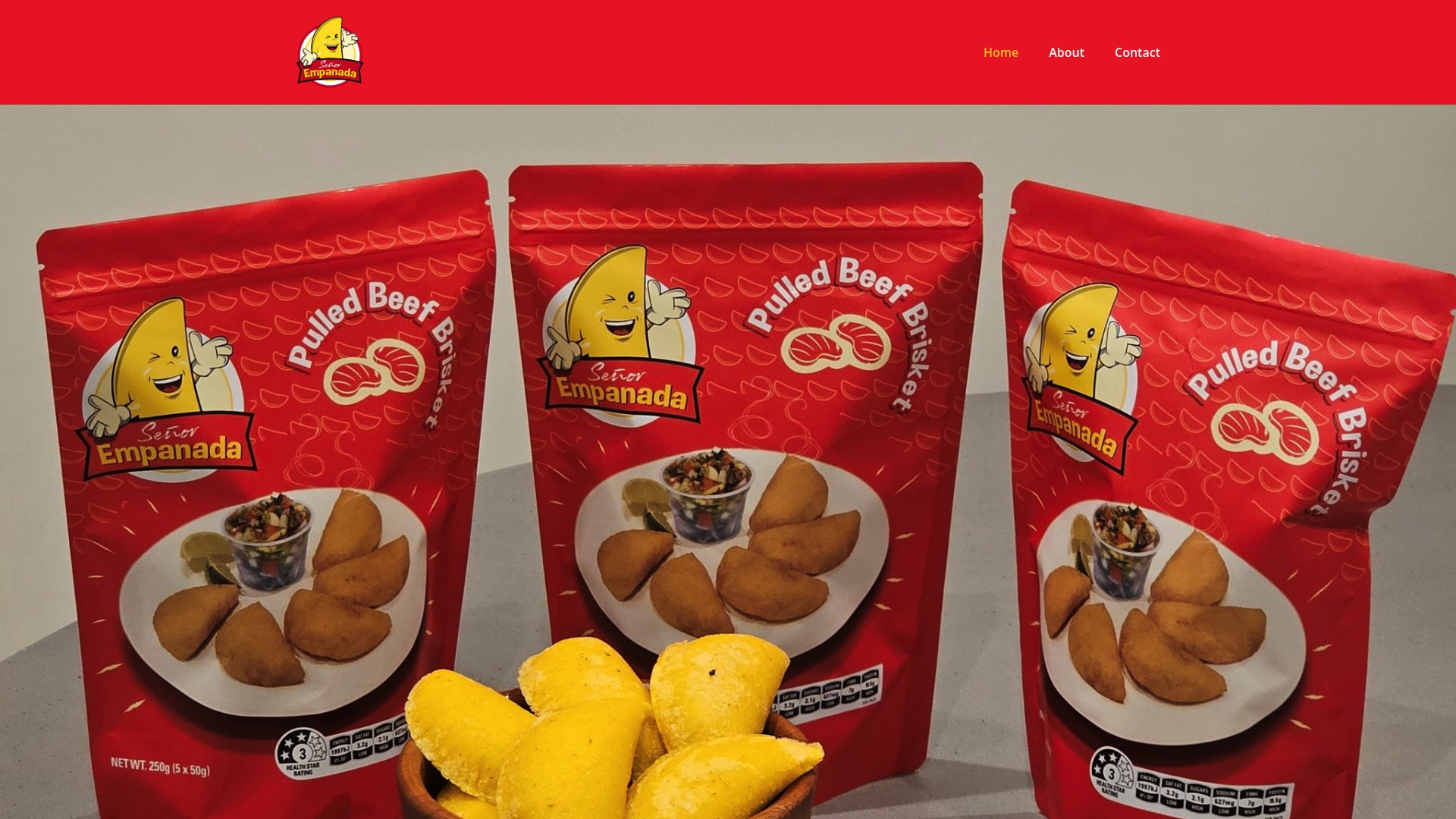
Our range covers baked and frozen options, so you can pick whichever suits your oven space and timeline, alongside vegetarian and other dietary options for mixed guest lists. Because everything is made from proper recipes rather than shortcuts, you get the flavour of a home-cooked batch without spending your morning at the stove. If you’d rather build your own platter from scratch, our guide to gluten-free masa dough and our pantry of Latin flavours and spices are worth a look too.
To order, head to Empanadas and check current lead times for your event date. For most orders, getting in touch a few days ahead gives us time to confirm quantities, dietary needs and delivery or pick-up details, so your platter is ready exactly when your guests arrive.
Sources
- Recipe: Party‑Ready Empanadas and a rose‑hibiscus marg from a Movida Group chef
- Party Empanadas recipe | Forktionary
- Beef empanadas — RecipeTin Eats
FAQ
How do you serve empanadas at a party?
Set up a self-serve station with warm empanadas and a few labelled dip options, and keep a small hot batch coming from the oven or fryer so there’s always fresh stock rather than one giant tray going cold.
How many empanadas do you need for 40 people?
For a cocktail-style event, plan on 120 to 160 empanadas for 40 guests, using three to four per person as the base rule and adjusting up if empanadas are the main food on offer.
What is the secret to a good empanada?
Cool the filling completely before assembly so it doesn’t steam the pastry from the inside, and rest the dough properly before rolling. Both steps matter more to the final texture than any single ingredient.
Can empanadas be made ahead of time?
Yes. Assemble them uncooked, flash-freeze on a tray for a couple of hours, then transfer to airtight bags for up to three months, and bake or fry straight from frozen when you need them.
Does Senor Empanada offer catering for parties?
Yes, Senor Empanada supplies baked and frozen empanadas with dietary options for events of various sizes. Order details and lead times are available at Empanadas.