
Anchor the spread with a generous grazing board, add two or three warm passed bites, one memorable dessert and a signature drink, and you have a menu that reads as abundant without chaining you to the kitchen… Plan on roughly 6 to 8 pieces per guest for a standing cocktail celebration. Handheld options like empanadas slot straight into this formula because they travel well and reheat without fuss.
TL;DR:
- Serve approximately 6 to 8 pieces per guest for a cocktail-party duration, increasing to 10 to 12 pieces if the food replaces a full meal.
- Include a well-balanced grazing board with at least two cheese textures, two cured meats, and a variety of accompaniments to enhance visual appeal and variety.
- Use seasonally appropriate ingredients, such as chilled dishes for summer or warm bites for cooler months, to match the weather and time of day.
- Incorporate flexible, culturally diverse options like empanadas, labelled clearly to respect dietary restrictions and guest backgrounds.
- Delegate tray topping and refilling tasks to a friend to allow the host to enjoy the celebration and stay present with guests.
Table of Contents
- Engagement party food ideas: cold bites, hot bites, boards and budget fillers
- How much engagement party food to plan for your guest count
- Getting the timing and logistics right on the day
- Dietary needs and easy swaps for engagement party appetisers
- Three sample engagement party menus you can copy
- Practical empanada planning from Senor Empanada
- Presentation and plating tips that make the spread look generous
- Seasonal ingredients to match your engagement party’s timing
- Accommodating different cultural food preferences with care
- Beverage pairings that complement your engagement party menu
- A host’s note on staying present
- Order engagement party food from Senor Empanada
- Sources
- FAQ
Engagement party food ideas: cold bites, hot bites, boards and budget fillers
Building a spread that feels varied doesn’t mean cooking twelve different dishes. It means picking a handful of strong performers from each category and letting them do the heavy lifting. We think of engagement party food in five practical buckets: cold bites, hot bites, a grazing centrepiece, dessert, and the budget fillers that stretch everything else.
Cold bites that hold their shape and their flavour:
- Caprese skewers, cherry tomato, basil, mozzarella pearl, drizzled just before serving so they don’t weep
- Smoked salmon crostini with a swipe of whipped ricotta or crème fraîche
- Devilled eggs, halved and piped, which travel brilliantly and never look tired after an hour on the table
- Small salad cups (Greek, Waldorf, or a simple slaw) that solve the “something fresh” problem without a serving spoon in sight
Hot bites you can batch on a weeknight and hold until party time:
- Mini quiches, endlessly adaptable to whatever’s in the fridge
- Cocktail meatballs simmered in a sticky glaze and kept warm in a slow cooker
- Pigs in blankets, a crowd favourite that needs almost no attention once they’re in the oven
- Stuffed mushrooms with a cheese and herb filling, ready to reheat in batches
The grazing board is where the visual generosity happens. Layer at least two cheese textures (a soft brie or camembert next to a firm cheddar or manchego), two or three cured meats, and a spread of accoutrements: olives, nuts, dried fruit, crackers and a jar of good honey. A well-built board reads as décor as much as food, which cuts down the amount of cooked food you actually need to prepare.
For dessert, small wins big: mini pavlovas, a tray of brownie bites, or a bowl of chocolate-dipped strawberries all look far more generous than their cost or effort suggests. Budget fillers, think bread and dips, a big bowl of spiced nuts, or popcorn in paper cones, round out the table without touching the catering budget. For a deeper breakdown by category, our five-category finger food guide is worth a look before you finalise the shopping list.
How much engagement party food to plan for your guest count
Turning a headcount into a shopping list is simpler than it feels. Use these rules and you’ll rarely over or under-cater.
- Grazing board sizing: allow roughly 100 to 150 grams of cheese and cured meat combined per guest, scaling up if the board is your main centrepiece.
- Adjust for the crowd: add 10% extra for evening parties, mixed-age guest lists with teenagers, or a group known for big appetites; scale down slightly for kid-heavy afternoon gatherings.
- Shopping checklist: grazing components, two hot bites, two cold bites, one dessert, napkins and small plates, and a cooler or slow cooker for holding temperature.
Getting the timing and logistics right on the day
The best engagement party food plans put the host in the room, not stuck at the stove. Handle cheese boards, dips and anything marinated the day before. On the morning of, focus only on items that need last-minute heat or garnish.
- The first 20 minutes matter most: guests arrive holding a drink and appreciate an easy, passed bite rather than hunting for food.
- Choose passed service for the arrival window, then shift to a stationed grazing table once the crowd settles.
- Keep hot bites warm in a slow cooker or low oven, and refresh trays in small batches rather than emptying the whole tray at once.
- For tight kitchens, individually portioned cups work brilliantly, charcuterie cups or mini salad cups cut down on crowding around one big board and make replenishing far easier.
Pro Tip: Ask one reliable friend to be the unofficial “tray captain” for the first hour. Their only job is topping up food and pointing guests toward drinks, freeing you to actually enjoy your own party.
Dietary needs and easy swaps for engagement party appetisers
Labelling is the single easiest thing you can do to make guests feel considered. Small flag cards next to each dish, “GF”, “V”, “contains nuts”, take two minutes and solve most awkward conversations before they happen.
- Swap dairy-based dips for a cashew or hummus base to cover vegan and lactose-free guests in one move.
- Use gluten-free crackers alongside regular ones rather than replacing them entirely, so no one feels singled out.
- Include at least one hot vegetarian option, stuffed mushrooms or a vegetarian empanada work well, so it’s not an afterthought.
- If you’re self-catering, use separate boards and utensils for gluten-free items to avoid cross-contamination from shared serving spoons.
Three sample engagement party menus you can copy
Different party formats call for different food. Here are three complete menus built around the formulas above.
- Cocktail-style evening party: a full grazing board as the centrepiece, plus mini quiches and cocktail meatballs passed during the first hour, caprese skewers and devilled eggs stationed alongside, mini pavlovas for dessert, and a signature cocktail or mocktail. Shop for the board first, it’s the most time-consuming element.
- Brunch celebration: smoked salmon crostini, a fresh salad cup station, arepas with a light filling, and a mimosa or coffee station as the anchor drink. Keep everything light and colourful since morning appetites are smaller.
- Backyard or casual party: a taco or slider bar as the hearty centrepiece, empanadas as a handheld alternative for guests who want something different, corn chips with two dips, and a simple beer or sangria station. Order the hearty station item in bulk and treat everything else as a side.
Practical empanada planning from Senor Empanada
For handheld additions like empanadas, 1 to 2 pieces per guest works as an arrival bite in a cocktail-style format, rising to 2 to 3 per guest if they’re standing in for a meal. Pack sauces separately, adding them too early turns crisp pastry soggy fast. The best reheat method: defrost fully, then warm in a moderate oven around 160 to 170°C on a tray, resting under foil briefly before removing it to re-crisp the pastry properly. Some empanada ranges include vegetarian and cheese fillings alongside traditional beef, so labelling for dietary needs is straightforward. Pair them with a chimichurri or aji sauce for a table that feels distinctly Latin without extra prep.

Presentation and plating tips that make the spread look generous
A grazing table earns most of its “wow” before anyone tastes a thing. Height and colour do the heavy lifting: stack small blocks or upturned bowls under a tablecloth to create tiers, then build cheese and meat across the levels so the board isn’t flat and one-dimensional.

Colour contrast matters more than most hosts expect. A board of beige crackers and pale cheese needs a jolt, fresh figs, pomegranate seeds, bright cherry tomatoes, or a scatter of edible flowers lift the whole table instantly. Group like with like rather than scattering everything randomly; three small piles of olives look more considered than one big bowl.
For plated bites, small details carry weight. A caprese skewer with the tomato, basil and mozzarella pieces facing the same direction looks styled rather than thrown together. Devilled eggs piped rather than spooned take an extra five minutes and look considerably more polished for it. Garnish with a single herb leaf or a light dusting of paprika rather than crowding the plate.
Serving vessels matter too. Small slate boards, timber platters and simple white ceramics all photograph well and won’t compete with colourful food. For genuine inspiration on styling canapés and grazing spreads, Wild Foodz’s food presentation examples are a useful reference before you start plating. Keep labels neat and legible, a scrawled name card undoes an otherwise beautiful table.
Seasonal ingredients to match your engagement party’s timing
The season your party falls in should shape the menu more than most hosts realise. A summer engagement party calls for lighter, cooler food, think caprese skewers with peak-season tomatoes, chilled salad cups, and citrus-forward dressings that hold up in the heat without wilting.

Winter or evening celebrations lean naturally toward warmth. This is when hot bites earn their place, mini quiches, stuffed mushrooms and empanadas straight from the oven feel considered rather than default. A slow cooker of cocktail meatballs also does double duty as both food and a source of warmth near the serving table.
Spring gatherings suit a lighter grazing board built around fresh herbs, snap peas, radishes and softer cheeses, while autumn celebrations can lean into roasted vegetables, fig and honey pairings on the cheese board, and richer, spiced fillings if empanadas are part of the spread. Matching ingredients to the season isn’t just about flavour, it also solves practical problems: delicate cold dishes wilt fast in summer heat, and heavy, rich food can feel like too much at a midday celebration in warmer months.
If your engagement party has a theme, Mediterranean, Latin, garden party, let the season reinforce it rather than fight it. A Latin-inspired grazing table with empanadas and a bright aji amarillo sauce works particularly well for a warm-weather afternoon party, while heartier fillings suit a cooler evening gathering.
Accommodating different cultural food preferences with care
Engagement parties often bring together two families and friend groups with genuinely different food backgrounds, and getting this right takes a little thought rather than a lot of extra work. Start by asking, directly, if either family follows halal, kosher, or other religious dietary practices, and source accordingly rather than guessing. A quiet conversation weeks ahead avoids an awkward moment on the day.
Where cultures blend, food is often the easiest and most welcoming bridge. A table that includes both familiar Western canapés and a few dishes reflecting either family’s heritage, whether that’s Latin empanadas, Mediterranean mezze, or Asian dumplings, signals genuine effort without requiring you to cook an entirely separate cuisine from scratch. Ordering a few labour-intensive specialty items and building the rest of the spread yourself is a practical way to widen the table’s cultural range without doubling your workload.
Labelling helps here too. Naming a dish by its actual origin (rather than a generic description) shows respect and often sparks good conversation among guests meeting for the first time. If you’re unsure how to represent a particular cuisine authentically, a specialty supplier who works in that food tradition will usually get the details right where a DIY attempt might miss them.
Beverage pairings that complement your engagement party menu
Drinks and food work best when they’re planned together, not as two separate lists. A signature cocktail or mocktail gives the party a focal point and takes pressure off a full bar, guests gravitate to one clear option rather than asking for a dozen different pours.
For a cocktail-style party with a grazing board and passed hot bites, a crisp sparkling wine or Prosecco cuts through cured meats and cheese nicely, while a light, citrusy gin cocktail pairs well with caprese skewers and smoked salmon crostini. If empanadas are on the table, a cold beer or a fruit-forward sangria matches the spice and richness of a beef or cheese filling far better than a heavy red.
Brunch menus call for a completely different pairing logic: mimosas, a simple Bellini, or a coffee and tea station suit lighter fare like fresh salad cups and arepas. Backyard or casual parties with a taco or slider bar do well with an esky of beer, a jug of sangria, or a batch cocktail poured from a large dispenser, easy to serve, easy to refill, and low on cleanup.
Whatever you choose, keep at least one non-alcoholic option that feels just as considered as the alcoholic ones, a shrub-based mocktail or a good virgin sangria means guests who aren’t drinking don’t feel like an afterthought.
A host’s note on staying present
The best engagement parties aren’t the ones with the longest menu, they’re the ones where the host actually gets to enjoy the night. Lean on make-ahead anchors, choose one small splurge to feel special, and let a friend handle the tray top-ups. Variety reads as generosity even when half the table took twenty minutes to prepare.
— Senor Empanada
Order engagement party food from Senor Empanada
Ordering a curated batch of empanadas and sauces covers the hot bite, the handheld option, and the “something different” guests remember, all from one place.
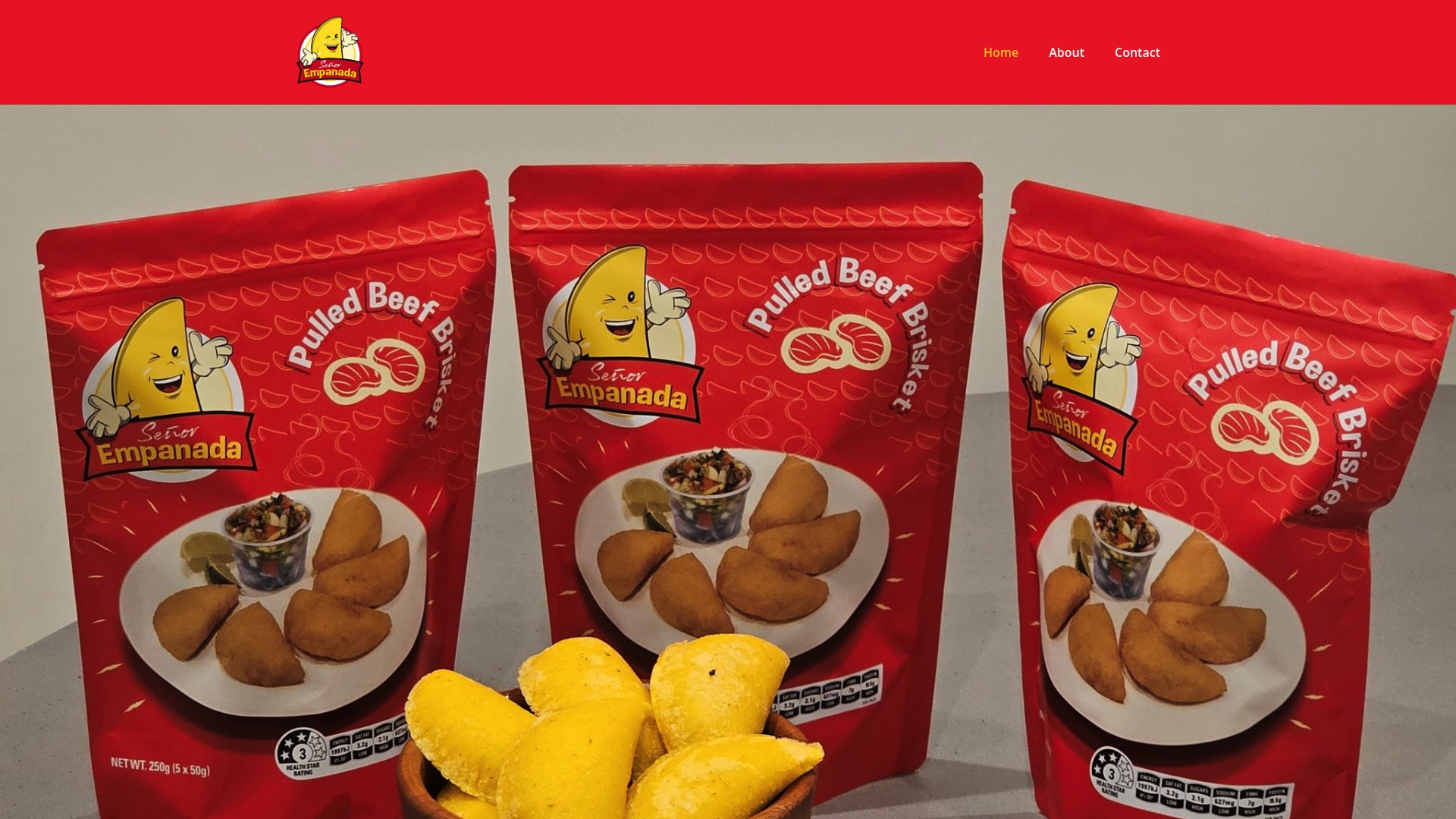
Traditional beef and cheesy empanada varieties alongside arepas, often made from traditional recipes and quality ingredients, create a genuine centrepiece without spending your morning at the stove. Following the pieces-per-guest guide above, order 1 to 2 empanadas per guest as an arrival bite, or 2 to 3 if they’re doing meal duty, then pair them with one of our Latin-inspired sauces to round out the flavour profile. Whether you’re feeding twenty close friends or eighty extended family members, empanadas hold their texture, travel well, and reheat properly, exactly what a party host needs. Head to the Senor Empanada ordering page to check current fillings and get your engagement party sorted in one order.
FAQ
What is a good menu for an engagement party?
A grazing board or charcuterie centrepiece paired with two or three hot passed bites, mini quiches, cocktail meatballs, or empanadas, plus one dessert and a signature drink covers most guest lists well. This combination balances visual generosity with manageable prep work.
What are some good buffet ideas for an engagement party?
Build the buffet around a large grazing board, then add stationed bowls of caprese skewers, devilled eggs and salad cups alongside a warming tray of mini quiches or meatballs. Plan for 6 to 8 pieces per guest for a standing cocktail-style buffet.
What are some good finger foods to serve at an engagement party?
Caprese skewers, devilled eggs, mini quiches, cocktail meatballs and empanadas all work as reliable finger foods because they hold their shape and don’t require cutlery. Empanadas in particular travel well and reheat cleanly, making them a practical handheld addition to any spread.
What do you typically do at an engagement party?
Most engagement parties involve toasts, casual mingling over drinks and grazing food, and sometimes a short speech from the newly engaged couple or their families. Food is usually served as a standing spread rather than a seated meal, which is why passed bites and a grazing board suit the occasion so well.