
Exploring international snacks is the practice of experiencing the world’s diverse food cultures through distinctive regional treats that reflect local history, ingredients, and traditions. For food lovers in Australia, this goes far beyond picking up a bag of chips at the airport. Snack tourism, the term food writers and travel editors now use for this phenomenon, has become a primary travel activity in 2026, with serious enthusiasts building collections of over 400 unique regional flavours from a single country alone. At Senor Empanada, we believe every bite tells a story worth hearing.
What is snack tourism and which countries lead the trend?
Snack tourism is defined as travelling with the deliberate goal of discovering regional snack cultures, using local supermarkets, street stalls, and neighbourhood markets as the primary destination. It is not a niche hobby. By 2026, it sits firmly in the mainstream of food travel, and the countries drawing the most attention share one quality: deeply localised snack traditions that resist mass production.
Japan leads the global snack guide by almost every measure. Its convenience store culture, built around chains like 7-Eleven Japan and FamilyMart, offers prefecture-specific products that change by season and region. The regional KitKat programme alone has produced flavours including wasabi, sake, and roasted green tea, with each variety tied to a specific part of the country. Japanese supermarket regional sections vary by prefecture, meaning a snack found in Kyoto may not exist in Tokyo. That hyper-local specificity is exactly what serious snack tourists travel for.
Other countries worth adding to your snack tasting itinerary include:
- South Korea: Seaweed crisps, honey butter almonds, and tteok (rice cakes) in dozens of regional varieties, sold fresh in traditional markets like Gwangjang in Seoul.
- Mexico: Tamarind candies dusted with chilli, chapulines (roasted grasshoppers), and regional corn-based snacks that vary dramatically between Oaxaca and Yucatán.
- Italy: Taralli from Puglia, farro crackers from Umbria, and Sardinian flatbreads, each tied to a specific agricultural region and rarely exported.
- Portugal: Pastéis de nata in their original Belém form, dried figs from the Algarve, and regional almond sweets that differ village by village.
Street food and local supermarkets act as cultural gateways, giving travellers access to authentic everyday flavours that no restaurant menu captures. The supermarket aisle, not the tourist precinct, is where a country’s true snack identity lives.
How do cultural values and nutrition shape international snacks?
Authentic international snacks share four defining characteristics: they are minimally processed, contain dietary fibre, eaten in small portions, and composed of whole-food ingredients. A nutritional analysis across 15 countries confirms this pattern. That consistency reveals something important: genuine snack culture is not built around convenience food engineering. It is built around what grows locally and what communities have eaten for generations.
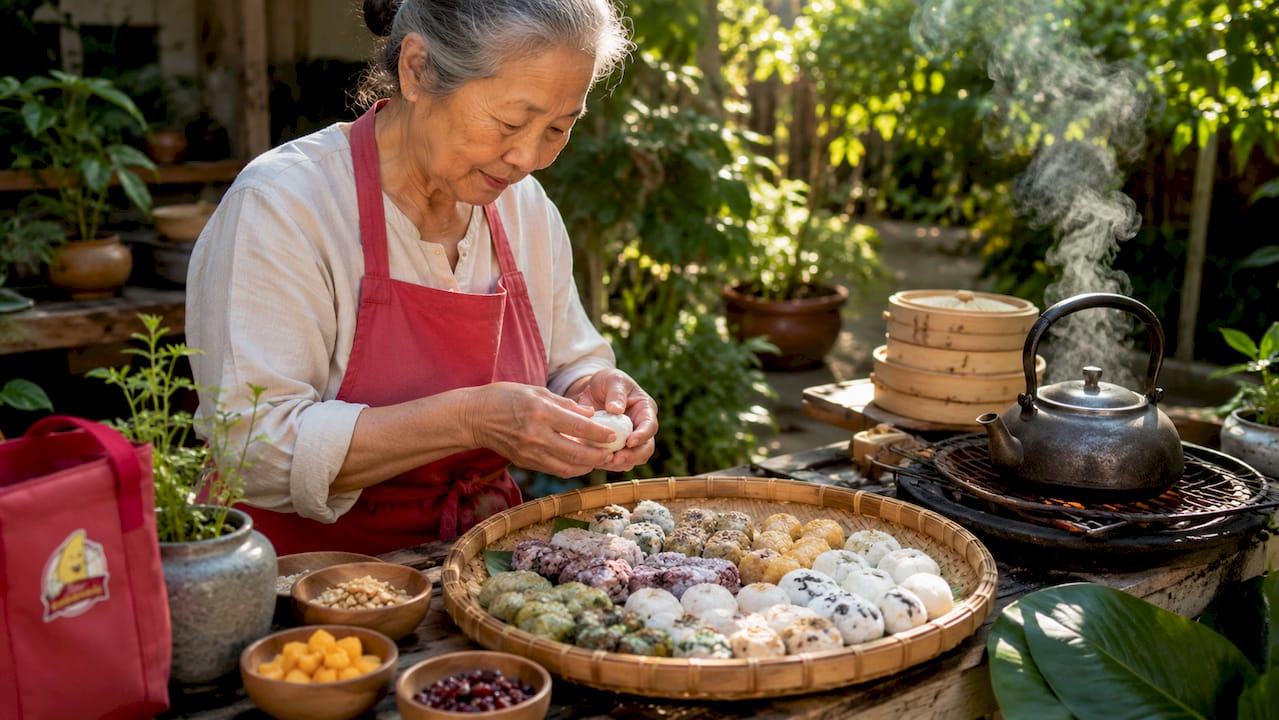
The cultural approach to snacking reflects deep values around convenience, hunger, and health, shaped by agricultural tradition rather than modern diet trends. In Ethiopia, roasted barley called kolo is a daily snack that doubles as a social ritual. In India, chaat is assembled fresh from seasonal vegetables and legumes. In Peru, choclo corn is boiled and eaten simply with cheese. None of these snacks were designed by a food technologist. They evolved from the land and the people who worked it.
| Country | Signature snack | Key characteristic |
|---|---|---|
| Japan | Edamame | High protein, whole food, minimal seasoning |
| Greece | Olives and feta | Fermented, fibre-rich, traditional preparation |
| Mexico | Pepitas (pumpkin seeds) | Whole seed, regionally sourced, lightly salted |
| India | Roasted chickpeas | High fibre, plant-based, spiced with local blends |
| Ethiopia | Kolo (roasted barley) | Minimally processed, culturally ceremonial |
| Brazil | Açaí with granola | Whole fruit, fibre-dense, regionally specific |
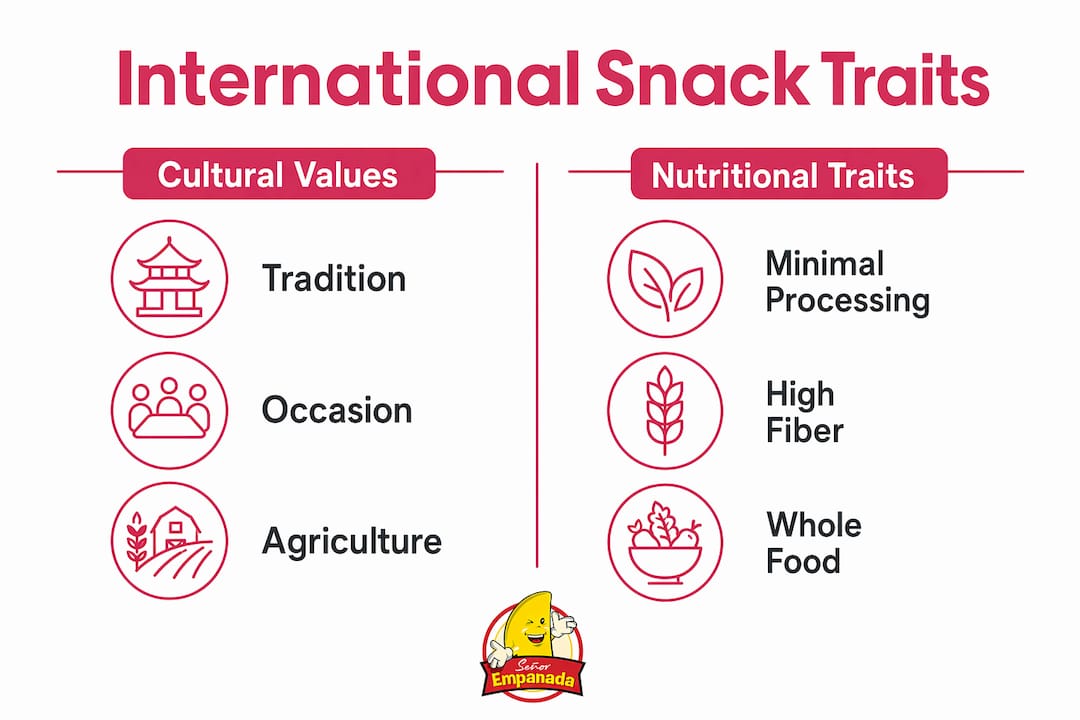
Snacking reflects a culture’s relationship with food, rooted more in local agricultural history than current dieting trends. This is why the best international snacks rarely appear in global supermarket chains. Their ingredients are local, their preparation is seasonal, and their meaning is communal.
Pro Tip: When tasting snacks from unfamiliar cultures, ask about the occasion. Many traditional snacks are tied to specific festivals, harvests, or times of day, and understanding that context transforms a simple bite into a genuine cultural experience.
What makes unusual region-specific snacks so fascinating?
Some of the most talked-about snacks in the world sit at the edge of what most eaters consider food. Japan’s Jibachi Senbei, a rice cracker embedded with digger wasps, and Sardinia’s Casu Marzu, a sheep’s milk cheese fermented by live insect larvae, are artisanal regional delicacies that challenge mass-market tastes and regulatory frameworks alike. These are not novelty products. They are the products of centuries-old food traditions that predate modern food safety categories.
The divide between artisanal and mass-produced snacks matters deeply to food culture. A factory-made version of a regional treat strips away the ingredient sourcing, the seasonal timing, and the human skill that gave the original its character. Sardinia’s Casu Marzu, for example, is technically illegal to sell commercially under European Union food safety law, yet it persists as a culturally protected tradition among Sardinian families who argue it is part of their heritage. That tension between regulation and identity is one of the most compelling stories in global food culture.
“Artisanal and controversial snacks provoke meaningful discussions about cultural identity versus mass commercialisation, underscoring the importance of food as heritage. When a snack is banned by law but kept alive by community, it tells you exactly how much that food means to the people who make it.”
Finding these rare snacks requires local knowledge and a willingness to travel off the beaten path. Wasp crackers from the Gifu region of Japan and Casu Marzu from rural Sardinia are seldom available in mass retail. They require visiting specific rural areas, building trust with local producers, and accepting that some experiences cannot be packaged or shipped.
- Research the specific region, not just the country, before you travel.
- Connect with local food guides or community groups who know producers directly.
- Accept that some snacks are seasonal and cannot be planned around a fixed itinerary.
- Approach unfamiliar textures and flavours with curiosity rather than performance.
How do you find and enjoy authentic global snacks?
The single most effective strategy for discovering genuine international snacks is to avoid tourist areas entirely. Regional supermarket chains and neighbourhood markets offer far more authentic options than any tourist-centred store. In Japan, this means visiting a local grocery chain in a residential suburb rather than a department store food hall in Shibuya. In Mexico, it means heading to a tianguis (a travelling street market) rather than the airport duty-free.
Here is a practical framework for building your snack discovery practice:
- Shop where locals shop. Identify neighbourhood supermarkets, wet markets, and community food halls before you arrive. Google Maps reviews in the local language often reveal the best spots.
- Time your visit for seasonal products. Many authentic snacks are tied to harvests or festivals. Visiting Japan in autumn means access to chestnut-flavoured limited editions. Visiting Mexico around Día de los Muertos unlocks sugar skull sweets and pan de muerto.
- Pack for transport. Dry snacks like packaged chips, cookies, and dried fruit are generally allowed in carry-on and checked luggage, while liquids and gels require compliance with airport regulations. Prioritise shelf-stable options like nut mixes, roasted grains, and freeze-dried fruits for easy transport.
- Check Australian customs rules. Australia has strict biosecurity laws. Declare all food items on arrival. Most commercially packaged, shelf-stable snacks clear customs without issue, but fresh produce and meat-based products face restrictions.
- Consider a subscription box. There are over 29 international snack box services available as of july 2026, with monthly costs typically ranging from $20–$50. These services curate snacks by country or region and deliver them to your door, making them a practical option between overseas trips.
Pro Tip: Follow local food bloggers and Instagram accounts from your destination country in the weeks before you travel. They flag limited-edition releases and seasonal market openings that no travel guide covers.
Key takeaways
Authentic international snack exploration rewards those who go where locals go, prioritise whole-food traditions, and treat every unfamiliar flavour as a window into a living culture.
| Point | Details |
|---|---|
| Snack tourism is mainstream | Travellers now seek regional snack flavours as a primary activity, not an afterthought. |
| Authentic snacks share four traits | Minimally processed, fibre-rich, small portions, and whole-food ingredients define genuine snack culture. |
| Avoid tourist areas | Regional supermarkets and neighbourhood markets deliver far more authentic finds than tourist-facing shops. |
| Transport rules matter | Pack dry, shelf-stable snacks and always declare food items on arrival in Australia. |
| Subscription boxes bridge the gap | Over 29 services deliver curated international snacks monthly for $20–$50, ideal between trips. |
Our take: what snack exploration has taught us about food and culture
We have spent years working with Latin American food traditions, and the lesson that keeps returning is this: the most meaningful snacks are never the flashiest ones. The Traditional Beef Empanada we craft at Senor Empanada is not remarkable because of a clever marketing concept. It is remarkable because the recipe carries the weight of generations, the dough folded the same way it was folded in kitchens across Argentina and Colombia long before anyone thought to write it down.
What surprises most people when they start tasting snacks from other cultures is not the exotic ingredients. It is the simplicity. A roasted chickpea in India. A dried fig in Portugal. A corn cake in Colombia. These foods endure because they are honest. They use what the land provides, prepared the way communities have always prepared it.
The uncomfortable truth about snack exploration is that the best discoveries are rarely convenient. They require patience, local trust, and a willingness to eat something you cannot pronounce in a place you did not plan to visit. That discomfort is exactly where the most genuine cultural exchange happens. We encourage every food lover to lean into it, with respect for the traditions behind each bite and genuine curiosity about the stories those flavours carry.
— Senor Empanada
Taste the world, starting with Latin America
For food lovers in Australia who want to experience authentic global flavours without a plane ticket, Senor Empanada brings the heart of Latin American snack culture directly to you.
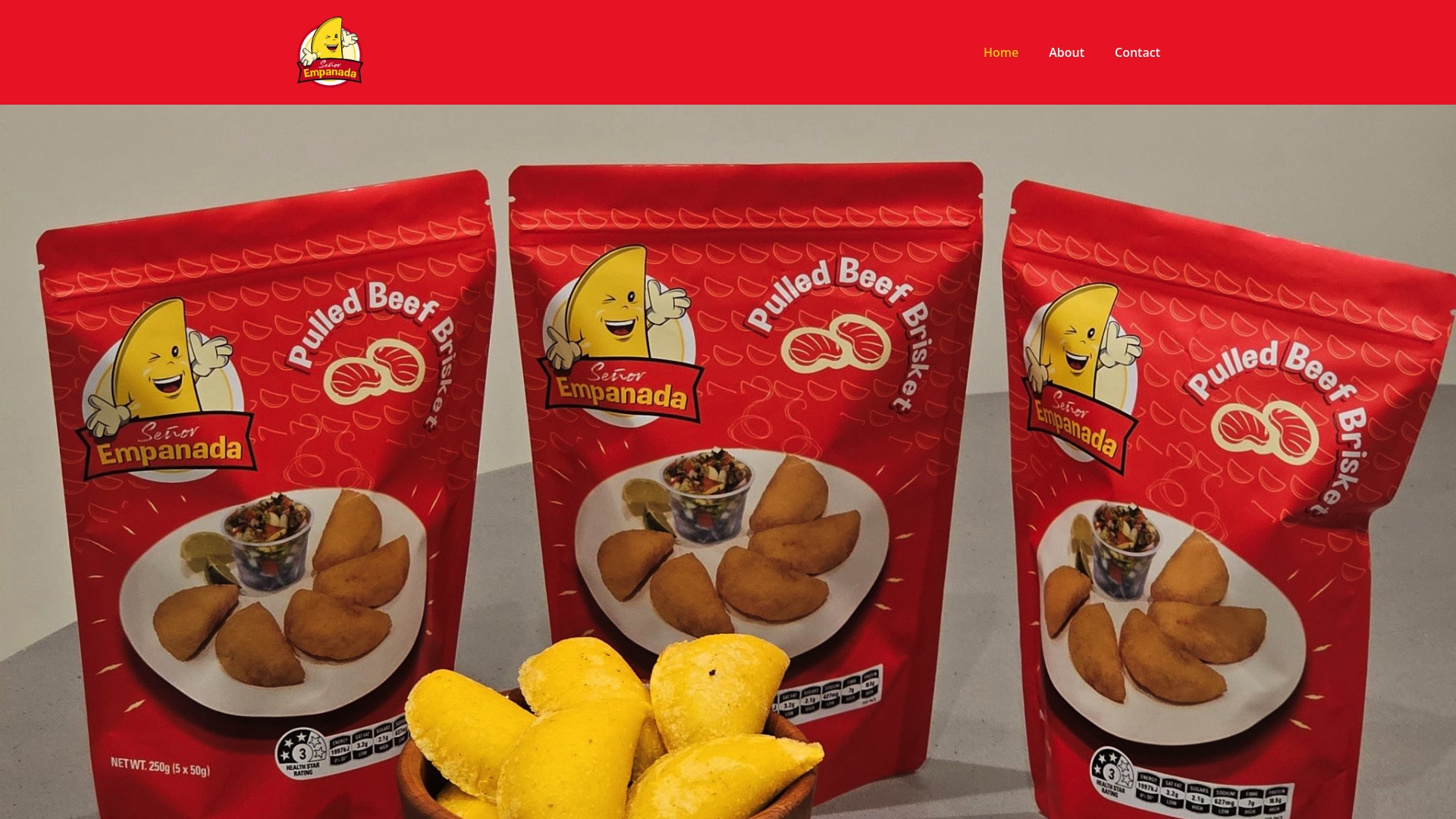
Our Traditional Beef Empanada and Cheesy Empanada are crafted from traditional recipes using premium ingredients, the same commitment to authenticity that defines the world’s best regional snacks. Whether you are hosting a gathering, looking for a satisfying meal, or simply curious about Latin flavours, our range offers a genuine taste of a rich culinary tradition. Visit Senor Empanada’s full menu to explore our empanadas, arepas, and more, and bring a little of that global snack spirit to your table today.
FAQ
What is snack tourism?
Snack tourism is the practice of travelling with the deliberate goal of discovering regional snack cultures through local supermarkets, street markets, and neighbourhood food stalls. It is a mainstream travel trend in 2026, with enthusiasts treating local food shops as cultural destinations.
Which countries are best for international snack tasting?
Japan, South Korea, Mexico, Italy, and Portugal are among the top destinations for unique snacks from around the world. Each country offers hyper-local varieties tied to specific regions, seasons, and agricultural traditions.
How do I bring international snacks back to Australia?
Pack dry, shelf-stable snacks such as packaged chips, cookies, and dried fruit, which are generally permitted in carry-on and checked luggage. Always declare all food items on arrival in Australia, as biosecurity laws apply to fresh produce and meat-based products.
What are international snack subscription boxes?
International snack subscription boxes are monthly delivery services that curate snacks from specific countries or regions. Over 29 services were available as of july 2026, with costs typically ranging from $20–$50 per month.
How do authentic international snacks differ from mass-produced ones?
Authentic international snacks are minimally processed, fibre-rich, eaten in small portions, and made from whole-food ingredients tied to local agricultural traditions. Mass-produced versions typically replace regional ingredients with standardised alternatives, losing the cultural specificity that makes the original meaningful.