Canapés are elegant one-bite hors d’oeuvres built on a base, spread and topping. Finger food is the broader family of hand-held bites, from light nibbles to mini meals. Choose canapés for short cocktail mingles where guests need a free hand for their drink; choose finger food when the crowd needs something more filling, or the event runs long.
TL;DR:
- Canapés require more precise preparation and professional service, making them more expensive and better suited for formal, short events with standing guests.
- Finger foods are more versatile, ranging from light nibbles to hearty bites, and are ideal for longer, seated, or casual gatherings where guests need filling options.
- For events over two hours, combining canapés initially with finger food later improves flow, dietary labeling, and guest satisfaction throughout the night.
- Catering should include slightly more than the standard portion estimates to avoid underordering, especially when accommodating dietary needs or longer durations.
- Empanadas and arepas are practical Latin snacks that work well as both canapés and finger foods, especially when mini-sized for cocktail service.
Table of Contents
- What Is a Canapé, Exactly?
- What Counts as Finger Food?
- Finger Food vs Canapés: What Actually Separates Them?
- How Many Canapés or Finger Foods Should You Order?
- Building a Menu That Actually Flows
- Señor Empanada’s Take: Using Latin Snacks Across Both Formats
- What Planners Get Wrong Most Often
- How Señor Empanada Can Help With Your Next Event
- Sources
- FAQ
What Is a Canapé, Exactly?
A canapé is a small, decorative bite built on a base, usually toasted bread, a cracker, or a blini, then finished with a spread, a topping and often a delicate garnish. The whole point is architecture: every layer sits in balance so the piece holds together on a small plate or a napkin.
The one-bite rule isn’t fussiness for its own sake. It keeps hands clean and drinks steady, which matters enormously when a hundred guests are standing, chatting and juggling a glass at the same time. Canapés also tend to lean salty or spicy, a trick caterers use to keep the bar busy and appetites sharp during that pre-dinner window.
Common examples include:
- Smoked salmon on rye with dill crème fraîche
- Blini topped with crème fraîche and salmon roe
- Mini bruschetta with tomato and basil
- Prosciutto-wrapped melon on a skewer tip
Canapés are almost always tray-passed by wait staff, timed in waves so the room never feels crowded around a single table.
What Counts as Finger Food?
Finger food covers a much wider net than canapés. It’s any small, individual portion designed to be eaten by hand, and that spans everything from a single cracker to a mini slider that could pass for lunch. Some finger food is barely a mouthful; other pieces are hearty enough to skip a sit-down meal altogether.
Temperature is the practical wrinkle canapés rarely face. Hot finger food, think mini quiches, arancini balls, or empanadas, needs proper holding equipment so it stays crisp and safe rather than soggy or lukewarm by the time a guest reaches for it.
Popular finger foods across different event styles include:
- Chicken skewers with peanut sauce
- Mini sliders or pulled pork rolls
- Vegetable spring rolls
- Empanadas and arepas
- Arancini balls
- Sausage rolls cut into bite-sized pieces
Where canapés suit a standing cocktail hour, finger food fits almost any atmosphere, from a relaxed backyard party to a corporate mixer that runs three hours past knock-off time.
Finger Food vs Canapés: What Actually Separates Them?
The difference between canapés and finger food comes down to four practical factors, and getting them right shapes both your budget and your guest experience.
Size and formality. Canapés are strictly one bite and dressed for the occasion; finger food ranges from a single nibble to a two or three-bite item, and it reads more casual on the table.
Cost and labour. Canapés demand more kitchen prep per piece, precise layering, careful garnishing, and usually a dedicated service team to pass trays continuously. Professional canapé service commonly carries higher labour costs than self-serve finger food, since someone has to keep those trays moving all night.
Service style. Canapés are tray-passed by staff working the room in loops. Finger food suits a buffet, a grazing table, or stationed platters guests help themselves to, which cuts your staffing bill noticeably.
Guest behaviour. Standing, mingling crowds want canapés they can eat one-handed. Seated or wandering crowds at a longer event want finger food that satisfies without needing a fork.
Run through this checklist before you brief a caterer:
- How long is the event? Under two hours favours canapés; anything longer needs finger food or a mix.
- What’s the budget per head? Canapés cost more per piece once labour is factored in.
- Will guests be standing or seated? Standing crowds want canapés; seated or roaming crowds want finger food.
- Does the venue have kitchen or warming facilities? Hot finger food needs holding equipment; cold canapés don’t.
Pro Tip: If your venue has no warming equipment and you’re set on hot finger food, ask your caterer about items that hold their texture cold or at room temperature, arancini and empanadas both travel better than you’d expect.
How Many Canapés or Finger Foods Should You Order?
Portion guidance is where most first-time planners come unstuck, either overordering and wasting money or underordering and watching the bar empty faster than the platters. Caterking’s guidance puts canapés at roughly 4 to 8 pieces per guest for a short cocktail event, and finger food at 6 to 12 pieces per guest when it’s effectively replacing a meal.
Adjust from there based on three factors: how long the event runs, whether a proper meal follows, and what time of day guests are eating.
- Two-hour cocktail launch, canapés only: plan on 6 pieces per guest, leaning toward 8 if it’s held over a typical dinner hour.
- Four-hour casual birthday or engagement party: budget 8 to 10 finger-food pieces per guest, since this is effectively their dinner.
- Children’s party, two to three hours: aim for 6 to 8 smaller finger-food pieces per child, since kids graze rather than eat in one sitting.
Every one of these numbers should flex against guest appetite and whatever else is on offer, as Yum Catering’s estimating guide points out.
Building a Menu That Actually Flows
The best events don’t pick one format and stick rigidly to it. Start with canapés during the initial mingle, when guests are arriving in waves and need something light to hold with a drink, then shift to heartier finger food once the crowd settles in for a longer stretch. It’s a sequencing trick caterers use constantly to manage both mood and appetite across an evening.
A few practical notes worth locking in early:
- Label vegetarian, gluten-free and allergy-safe items clearly on the table or via a printed menu card, guests shouldn’t have to ask.
- Aim for roughly one dietary-friendly option in every three or four items on offer.
- Set up a small waste station near grazing tables; skewer sticks and napkins pile up fast.
- Decide early whether items are passed by staff or laid out at a station, this affects your napkin count and bin placement more than people expect.
Pro Tip: Keep hot and cold items on separate tables or trays if you’re running a self-serve setup, it stops guests hovering over a warming dish waiting for space to open up.
For a broader menu template, our catering menu ideas for parties and corporate events walks through pairing formats by event type.

Señor Empanada’s Take: Using Latin Snacks Across Both Formats
We’ve built our menu around one truth: empanadas and arepas are naturally suited to finger food service. Empanadas hold their shape hot or at room temperature, travel well on platters, and satisfy enough to work as a light meal at a longer event, which is why they are popular at a range of events like office lunches and backyard engagement parties.
Turning a full-sized empanada into a true canapé has real limits. Warm, saucy fillings need a stable base to stay tidy in one bite, so we recommend mini empanada bites for cocktail-style service rather than forcing a full-sized piece onto a tray. For our Latin appetisers, that means:
- Mini empanadas for tray-passed cocktail service
- Full-sized empanadas and arepas for grazing tables or buffet-style events
- Packaging that keeps pastry crisp during transport, especially for outdoor or marquee events
What Planners Get Wrong Most Often
Undercatering is the classic mistake, closely followed by mismatching service style to venue (tray-passed canapés in a room with no staff to pass them). Ignoring simple dietaries until the week before causes needless stress.
Three rules stick: order slightly more than the formula suggests, match your format to how guests will actually stand or sit, and confirm dietary numbers before you finalise quantities.
— Senor Empanada
How Señor Empanada Can Help With Your Next Event
There are catering options sized for cocktail parties, casual gatherings and corporate functions, with portion guidance included to help choose between canapé-style mini bites and full-sized finger food.
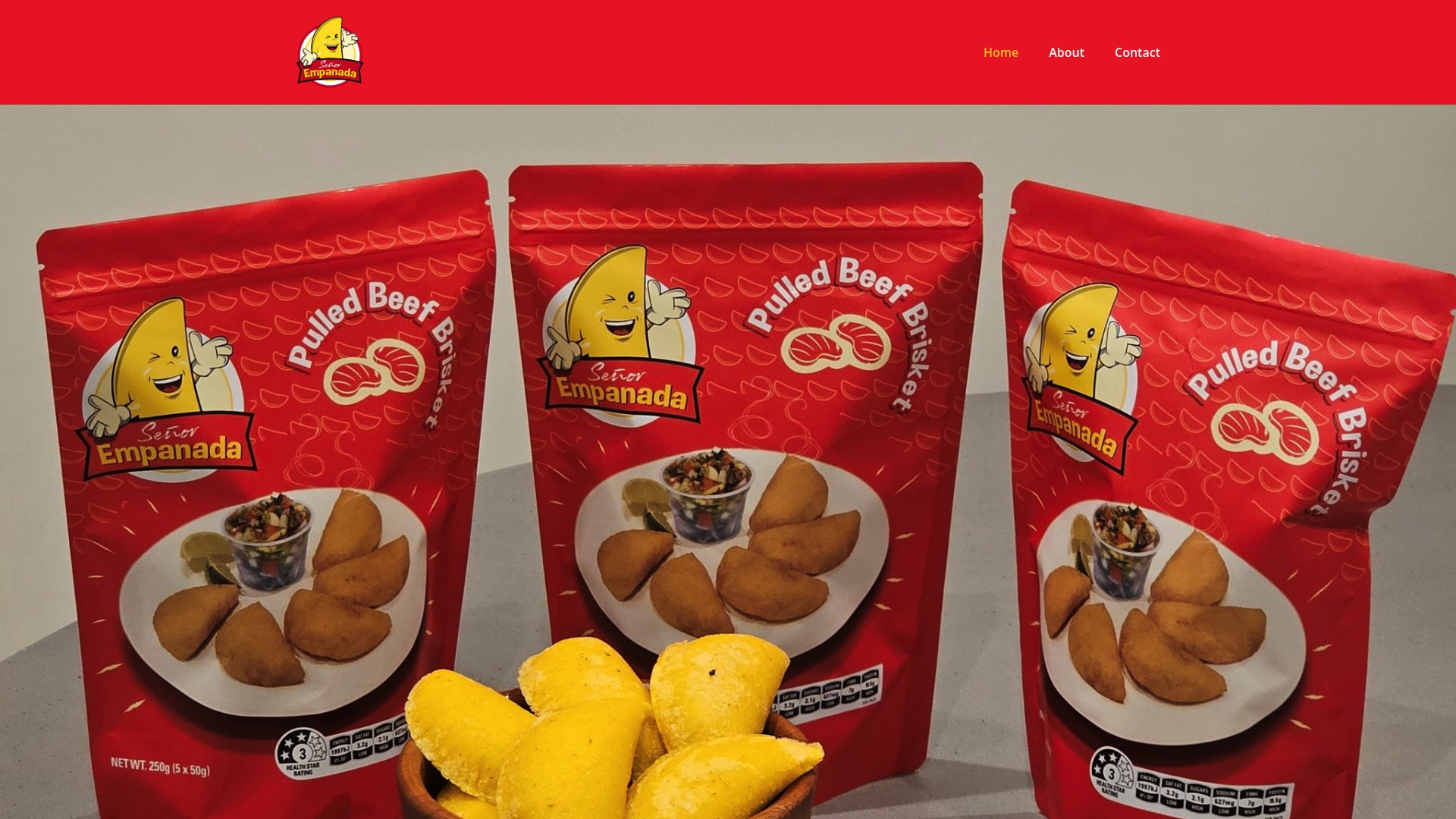
Our packs come with clear dietary labelling, including gluten-free options, and lead times that suit both last-minute bookings and planned weddings or launches. Whether you need a small batch of mini empanadas for a two-hour mingle or a full grazing spread for a four-hour party, our Latin appetisers range covers both ends of the brief. If kids are on the guest list, our kids party snacks page has options sized for smaller hands and smaller appetites, and our partners at Dreamscape have useful guidance on feeding children at parties without the sugar crash. Get in touch to request a quote for your event and lock in your order.
Sources
- Canapé
- Finger Food vs Canapés | Caterking Sydney
- Estimating the quantity of finger foods or canapés per person
FAQ
What Is the Correct Term for Finger Foods?
“Finger food” is the standard industry term, covering any small, hand-held portion from light nibbles to substantial mini meals like sliders or empanadas.
What Are the Three Types of Canapés?
Canapés are generally grouped by base: bread-based (toast or crostini), pastry-based (mini tarts or vol-au-vents), and cracker or blini-based, each finished with a spread, topping and garnish.
What Is the Difference Between Appetisers and Canapés?
“Appetiser” is a broader term for anything served before a meal, including seated starters, while a canapé is specifically a one-bite, tray-passed item built on a small base.
What Qualifies as Finger Food?
Any dish sized and structured to be eaten by hand without cutlery qualifies, from a single cracker to a mini empanada or slider substantial enough to replace a light meal.