
Freezing unbaked empanadas gives you the best final texture, since the pastry bakes fresh from frozen rather than getting reheated twice. Freezing baked empanadas trades a little crispness for speed, which suits busy weeknights. Either way: cool the filling first, flash-freeze the pieces solid, then wrap tightly and label. Full steps below.
TL;DR:
- Freezing unbaked empanadas preserves crust flakiness because they bake directly from frozen, unlike baked ones which lose crispness over reheating.
- Flash-freezing on a tray before bagging prevents empanadas from sticking together, making portioning easier and quality higher for both raw and baked options.
- Proper moisture management, especially in fillings, is crucial; watery ingredients cause sogginess and splitting, so cook them down before assembling.
- Reheating in an oven or air fryer retains crispness better than microwaving and ensures even heating of the filling to a safe temperature.
- Use airtight storage, label accurately, and consume within three months to maintain texture and flavor in frozen empanadas.
Table of Contents
- Should you freeze empanadas raw or baked?
- How to freeze unbaked empanadas (the flash-freeze method)
- How to freeze baked empanadas without losing the crunch
- What’s the best way to cook frozen empanadas?
- Why do frozen empanadas go soggy, dry, or split open?
- How long do frozen empanadas last?
- Señor Empanada’s practical tips for reliable results
- The overrated step and the underrated one
- Skip the batch-cooking, get authentic empanadas ready to go
- Sources
- FAQ
Should you freeze empanadas raw or baked?
The honest answer depends on what you value more: texture or time. Freezing raw, unbaked empanadas generally produces a superior final result because the pastry only goes through one bake cycle, straight from the freezer to the oven. That single bake keeps the crust flaky rather than reheated and slightly leathery.
Freezing baked empanadas has its own logic. You’ve already done the cooking, so all that’s left is warming them through, which makes them the better choice when you want food on the table in minutes rather than half an hour.
Freeze unbaked when:
- You’re batch-cooking for the week ahead and want bakery-fresh pastry every time
- You’re prepping for a catering job or party where texture matters
- You have time to bake from frozen (usually 10 to 15 minutes longer than fresh)
Freeze baked when:
- You’re rescuing leftovers from a dinner party
- You need a genuinely fast snack, not a from-scratch bake
- You’re stocking a lunchbox or work-from-home fridge with grab-and-go portions
Most home cooks doing regular meal prep freeze both, depending on the batch’s purpose.
How to freeze unbaked empanadas (the flash-freeze method)
This is a recommended method for anyone serious about texture, and it only takes a few extra minutes over just bagging everything together.
- Cool the filling completely before you assemble. Warm filling creates condensation inside the pastry, which turns to ice crystals and sogginess later.
- Crimp the edges firmly. A light egg wash on the edge, then a firm press or fork-crimp, seals better after freezing than wet, sloppy edges do.
- Arrange on a parchment-lined tray, spaced so they don’t touch, and freeze until solid (usually two to three hours). This flash-freeze step stops the empanadas fusing into one frozen block, which is the single step most home cooks skip and regret.
- Transfer to freezer bags or rigid containers. Press out as much air as possible, then double-wrap for anything you plan to store long term.
- Label with the filling and the date. It sounds obvious until you’re staring at three identical bags in February wondering which one has the chicken.
Pro Tip: If your filling includes tomato, capsicum, or anything watery, cook it down properly first. A saucy, loose filling that hasn’t been reduced will weep liquid inside the pastry once frozen, and that’s the fastest route to a soggy, split empanada.
How to freeze baked empanadas without losing the crunch
Baked empanadas need a different kind of care, mostly around moisture control rather than shape.
- Cool completely on a wire rack, never on a plate or straight into a container. A rack lets steam escape from underneath, which is exactly what stops condensation forming and softening the base.
- Flash-freeze individually if you want single portions, using the same tray method as unbaked ones. If you’re freezing a whole batch to eat together, wrap each empanada individually in foil or plastic before bagging.
- Reheat in the oven or air fryer, not the microwave. A microwave will heat the filling but turn the pastry rubbery and damp within seconds, undoing the whole point of baking it fresh in the first place.
This method suits leftovers and anyone after an ultra-fast snack more than it suits a considered meal-prep plan. If crispness matters to you at all, unbaked freezing wins every time.
What’s the best way to cook frozen empanadas?
Three methods work, and each has its own timing and its own quirks.
- Oven: Place frozen empanadas on a rack or tray, brush with egg wash if you skipped it before freezing, and bake at around 190°C to 200°C. Expect to add roughly 5 to 10 extra minutes over the fresh bake time because you’re cooking from solid, not chilled.
- Air fryer: Space them so hot air circulates freely and flip halfway through for even browning. This tends to crisp the pastry faster than an oven, since the smaller chamber concentrates heat around each piece.
- Deep fry: Only do this with genuine care. Frozen pastry lowers oil temperature fast and ice crystals near hot oil can cause dangerous spatter, so pat empanadas dry and lower them in slowly, a couple at a time.
Oven and air-fryer reheating consistently give the best texture compared with microwaving, which is worth remembering when you’re tempted to shortcut a busy night.
Whichever method you choose, use a food thermometer on the filling, particularly with meat. Aim for an internal temperature that confirms the filling is properly heated through, not just warm at the edges. Guessing by colour or time alone is how you end up with a cold centre in an otherwise browned empanada.
Why do frozen empanadas go soggy, dry, or split open?
Three problems account for almost every disappointing batch, and each has a specific, fixable cause.
- Soggy crust: Usually caused by packing empanadas while they’re still warm, trapping steam inside an airtight bag. Cool fully first, and never seal warm pastry into plastic.
- Dry, tough pastry: Often comes from overbaking before freezing, then reheating a second time. If you’re freezing baked empanadas, pull them from the oven slightly earlier than you would for immediate eating.
- Leaking or split filling: Usually a crimping or overfilling problem. Don’t overload the pastry, strain watery fillings before assembling, and press seams firmly closed.
Pro Tip: A high-water filling is the root cause of most sogginess complaints. If your recipe leans heavily on tomato, onion, or fresh greens, cook it down in a pan until visibly thickened, and consider a small binder like a spoon of mashed potato or a light dusting of flour to soak up any remaining moisture.
How long do frozen empanadas last?
For best flavour and texture, aim to use frozen empanadas within about two to three months. Empanadas kept continuously frozen beyond that stay safe to eat, but pastry and filling both lose quality gradually, drying out or picking up freezer odours.
- Use rigid containers for the bottom layer to stop crushing, then bags for anything stacked on top.
- Double-bag for genuinely long storage, especially in a frost-free freezer where humidity swings are harsher on food.
- Label everything with filling, date, and whether it’s raw or baked, then rotate stock so the oldest batch gets used first.
- Watch for pale, dry patches or ice crystals inside the bag. That’s freezer burn, and while it’s not unsafe, the texture underneath is usually well past its best.
Señor Empanada’s practical tips for reliable results
Some frozen and par-baked lines are designed around exactly the problems home freezing runs into: soggy bases, dry filling, inconsistent reheats. If you’re assembling and freezing your own batches, the same discipline applies, cool fully, wrap tightly, and cook from frozen rather than thawing first.
For readers who want the reheat side sorted properly, a guide to cooking frozen empanadas in under 30 minutes walks through oven and air fryer timing without any guesswork. If homemade pastry keeps letting you down after freezing, checking notes on the best pastry for empanadas can help, since dough thickness and hydration make a bigger difference to frozen texture than most recipes admit.
The overrated step and the underrated one
Most guides to freezing empanadas spend their energy on wrapping technique, plastic versus foil, single bags versus double. That’s fine advice, but it’s not where batches actually go wrong. The step home cooks skip, flash-freezing on a tray before bagging, matters more than the wrap itself, because it’s the difference between individual portions you can grab one at a time and a solid brick you have to thaw entirely just to eat two.

The other place conventional advice falls short is filling preparation. Recipes assume you’ll just spoon in whatever you cooked for dinner, but a loose, saucy filling that hasn’t been reduced is the single biggest cause of the soggy, split empanadas people blame on freezing itself. The freezer isn’t the problem. An underprepared filling is.

If you take one thing from this, prioritise the filling’s moisture content before you worry about wrap thickness or container type. Get that right and the rest of the process is forgiving.
Skip the batch-cooking, get authentic empanadas ready to go
Freezing your own batches is optional, not essential. Empanadas and sauces are produced from traditional Latin American recipes using premium ingredients, with frozen and par-baked options built specifically for reheating without extra preparation steps.
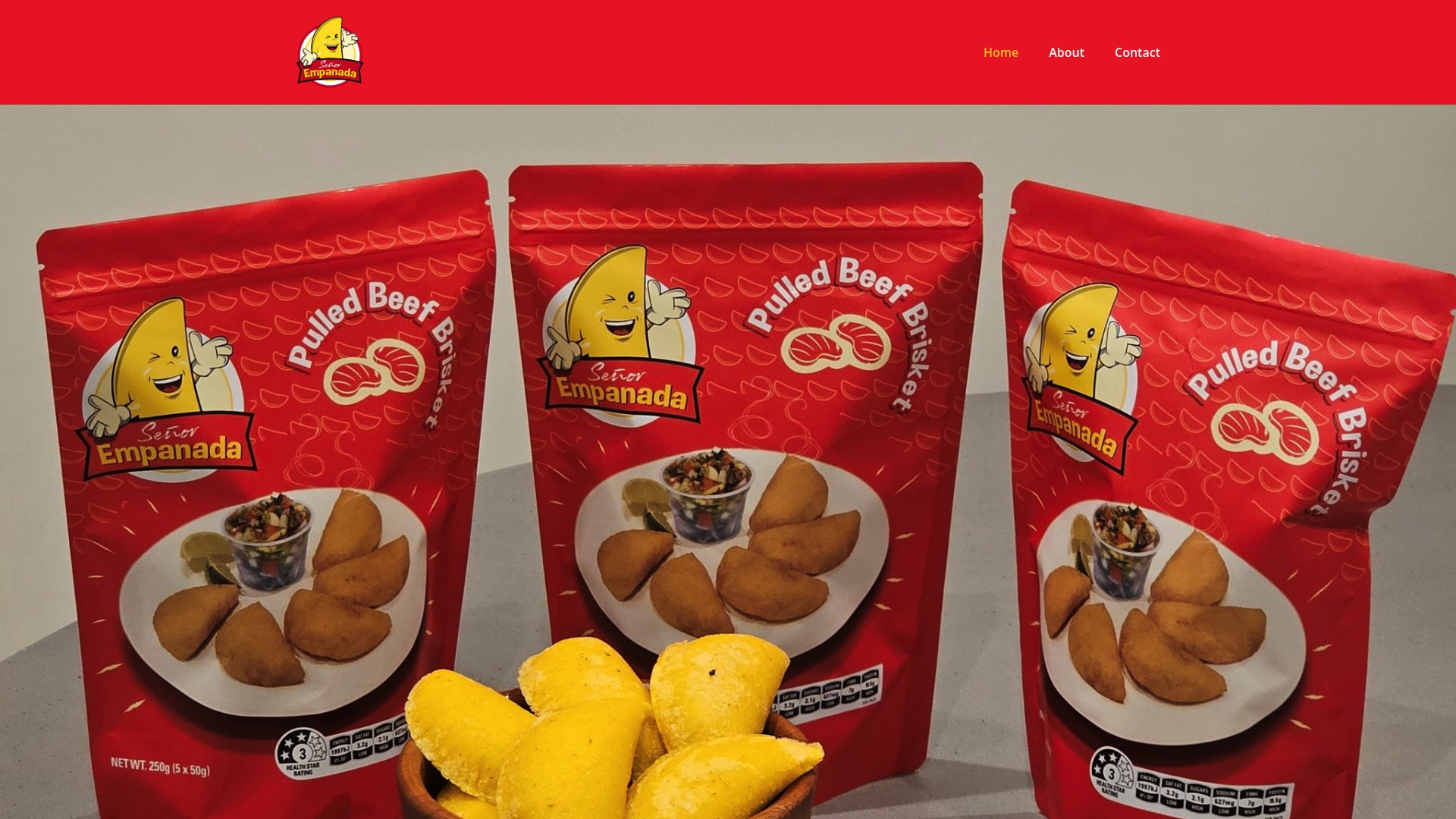
That makes these products a practical fit for situations like stocking the freezer before a party, keeping a café supply consistent without staffing a prep kitchen, or having ready empanadas on a weeknight when cooking from scratch isn’t happening. Pair them with one of our sauces for a fuller flavour, and you skip the sogginess and dryness troubleshooting entirely, because it’s already sorted before the box reaches you.
Browse the full range of empanadas and sauces and find the fillings that suit your next gathering, café order, or Tuesday night.
Sources
- Can You Freeze Empanadas? The Definitive 2026 Guide
- Easy Beef Empanadas recipe (notes on freezing)
- Beef Empanadas with Freezing Directions – UNL Food
- Can You Freeze Empanadas? Full Guide
FAQ
Can you freeze empanadas cooked or uncooked?
Both work. Freezing uncooked empanadas gives a flakier final crust since the pastry only bakes once, while freezing already-baked ones is faster to reheat but slightly less crisp.
Can you bake frozen empanadas instead of frying?
Yes, and it’s the safer, more consistent option. Bake straight from frozen at around 190°C to 200°C, adding 5 to 10 minutes over the fresh bake time.
Can I reheat frozen cooked empanadas?
Yes. An oven or air fryer gives the best texture, while microwaving tends to leave the pastry soft and rubbery rather than crisp.
How do I keep empanadas from getting soggy?
Cool them fully before packing, avoid sealing warm pastry in airtight bags, and make sure any watery filling is cooked down and thickened before assembly.