
Cooked empanadas keep for 2 to 4 days in the fridge and several months in the freezer when safety, not just quality, is the goal. The real limit is time spent between 5°C and 60°C: under 2 hours is fine to refrigerate, 2 to 4 hours means eat now, and anything past 4 hours means toss it. Get leftovers chilled within 2 hours of cooking, and when timing is unclear, we’d rather you waste an empanada than risk a stomach upset.
TL;DR:
- Beef, chicken, and cheese fillings spoil sooner than vegetable versions, so eat them toward the shorter end of the refrigerated storage window.
- Time between 5°C and 60°C is cumulative across serving and transport, and unsafe bacteria may leave no visible change or noticeable smell.
- Freeze cooled empanadas in a single layer before bagging, and partially bake them first to preserve pastry shape; quality is best within a few months.
- Thaw empanadas in the refrigerator, then reheat only once until the filling is piping hot; an oven or air fryer keeps pastry crisper than a microwave.
Table of Contents
- Fridge storage: how long cooked empanadas keep and how to cool them safely
- Freezer storage: safe timeframes and the technique that protects texture
- The danger zone: why the 2-hour/4-hour rule matters at every gathering
- Practical packing steps that protect both safety and crunch
- Thawing and reheating without drying out the filling
- Señor Empanada’s tested tips for freezing, storing and reheating
- Balancing food safety with less waste in the kitchen
- How we can help with oven-ready and frozen empanadas
- FAQ
- Sources
Fridge storage: how long cooked empanadas keep and how to cool them safely
Once baked or fried, empanadas belong in the fridge within 2 hours, and from there they’re good for 2 to 4 days at 5°C or below. Beef, chicken and cheese fillings carry more risk than vegetable ones, since they support bacterial growth more readily, so treat meat and dairy-filled batches as the shorter end of that window.
Cooling speed matters as much as fridge temperature. A deep pile of empanadas traps heat in the centre for hours, which keeps the filling in the danger zone long after the kitchen has cooled down. Spread them out instead:
- Divide large batches into shallow containers rather than one deep dish, so heat escapes faster and cooling finishes sooner.
- Leave a little space between pieces instead of stacking them while still warm.
- Label each container with the date cooked, not the date stored, so you’re tracking real age.
- Use airtight containers or snap-lock bags once cooled, to stop them drying out or picking up fridge odours.
Pro Tip: If empanadas sat out for part of the afternoon before you remembered them, add that time to whatever they’ve spent in the fridge when deciding if they’re still good. Danger zone time is cumulative, not a fresh clock every time you move them.
Freezer storage: safe timeframes and the technique that protects texture
Frozen correctly, cooked empanadas stay safe to eat for months, since freezing at -18°C or colder stops bacterial growth rather than merely slowing it. Safety is one question, though, and quality is another: texture and flavour start fading after a few months in the freezer, as moisture shifts and the pastry dries unevenly, so we treat that window as a best-by-quality guide rather than a hard safety cutoff.
The method that protects texture best is a simple flash-freeze:
- Cool empanadas completely before freezing, following the same shallow-container approach used for fridge storage.
- Arrange them in a single layer on a tray, not touching, and freeze until solid.
- Transfer the frozen pieces into a freezer bag, foil wrap or vacuum-sealed pouch once they’re firm, which stops them clumping into one block.
- Label each bag with the contents and date, and rotate so older batches get eaten first.
Par-baking before freezing, rather than freezing raw dough, tends to hold the pastry’s shape better once reheated. Our freeze empanadas guide walks through the flash-freeze workflow step by step.
Pro Tip: Batch cooking for the week? Freeze in meal-sized portions rather than one giant bag, so you’re not thawing more than you’ll eat in a sitting.
The danger zone: why the 2-hour/4-hour rule matters at every gathering
Bacteria multiply fastest between 5°C and 60°C, which is why Food Standards Australia New Zealand calls this range the danger zone and sets a firm cumulative limit on how long potentially hazardous food can sit in it. That limit doesn’t reset each time you move a tray from the kitchen to the table to the esky: it keeps counting.

Picture a party where empanadas sit out for an hour during serving, then get carried to a second table for another 30 minutes. That’s 90 minutes total, still safely under the 2-hour mark, so they can go back in the fridge. Push past 4 hours cumulative, and food safety guidance is clear: discard it, even if it looks and smells fine.
A few habits make this easier to track at home:
- Note the time empanadas first left the fridge or oven, not just when serving started.
- Use a colour-coded sticker or a simple written tag on trays that have been sitting out.
- Swap out serving trays for fresh ones every couple of hours at longer events.
- Don’t rely on sight or smell: healthdirect warns that food poisoning bacteria often don’t change how food looks or smells, so time tracking beats a sniff test every time.
Practical packing steps that protect both safety and crunch
Good packing does two jobs at once: it keeps empanadas out of the danger zone and stops the pastry turning soggy or freezer-burnt. The steps differ a little depending on whether you’re storing for a few days or a few months.
For the fridge:
- Let empanadas cool to room temperature briefly, no more than the time it takes to portion them, before sealing.
- Line the container with a paper towel to absorb condensation, which is what makes bases go soft.
- Store in a single layer or with baking paper between layers if stacking is unavoidable.
For the freezer, follow the flash-freeze method above, then wrap tightly in freezer-grade plastic or vacuum-seal to limit air exposure, since trapped air is what causes freezer burn and dried-out patches.
Smaller, shallow batches cool faster and more evenly than one large tray, which shortens the time spent in the danger zone and gives you a better texture once reheated.
Pro Tip: Keep a stack of baking paper squares in the freezer drawer specifically for layering empanadas, it saves fishing for something clean mid-cook.

Thawing and reheating without drying out the filling
The fridge is the safest place to defrost frozen empanadas, since it keeps them below 5°C the whole time rather than letting the outside warm up before the centre thaws. Microwave defrosting works in a pinch but tends to heat unevenly, leaving some spots cold while others start to cook.
For reheating, whether from chilled or frozen, aim to get the filling piping hot all the way through rather than just warming the pastry:
- An oven or air fryer restores a crisp crust far better than a microwave, which tends to leave pastry soft or chewy.
- From frozen, extra time at a moderate heat gets the centre hot without burning the outside, so don’t crank the temperature to save minutes.
- Reheat only once per batch. Repeated reheating cycles push food through the danger zone again and again, which adds up fast.
Our guide to reheating empanadas for a crispy crust and our steps to cook frozen empanadas in under 30 minutes cover exact oven and air fryer settings without needing to thaw first.
Señor Empanada’s tested tips for freezing, storing and reheating
We build our own kitchen workflow around the same flash-freeze principles we’ve outlined here, because consistent results come from consistent habits, not shortcuts.
- We par-bake before freezing, which holds the pastry’s structure better than freezing raw dough.
- We freeze in a single layer before bagging, so pieces separate cleanly instead of clumping together.
- We label every batch with contents and date, so older stock gets used first.
- We test our reheating settings in both oven and air fryer, aiming for a crisp pastry with a filling that’s hot all the way through, not just warm at the edges.
Balancing food safety with less waste in the kitchen
Safety comes first, always. No amount of careful portioning is worth guessing on time and temperature. Within that boundary, though, a little organisation goes a long way: label batches by date, keep smaller portions so you’re only thawing what you’ll eat, and work through older packs before starting new ones. It’s a small habit that protects both your health and your grocery budget.
How we can help with oven-ready and frozen empanadas
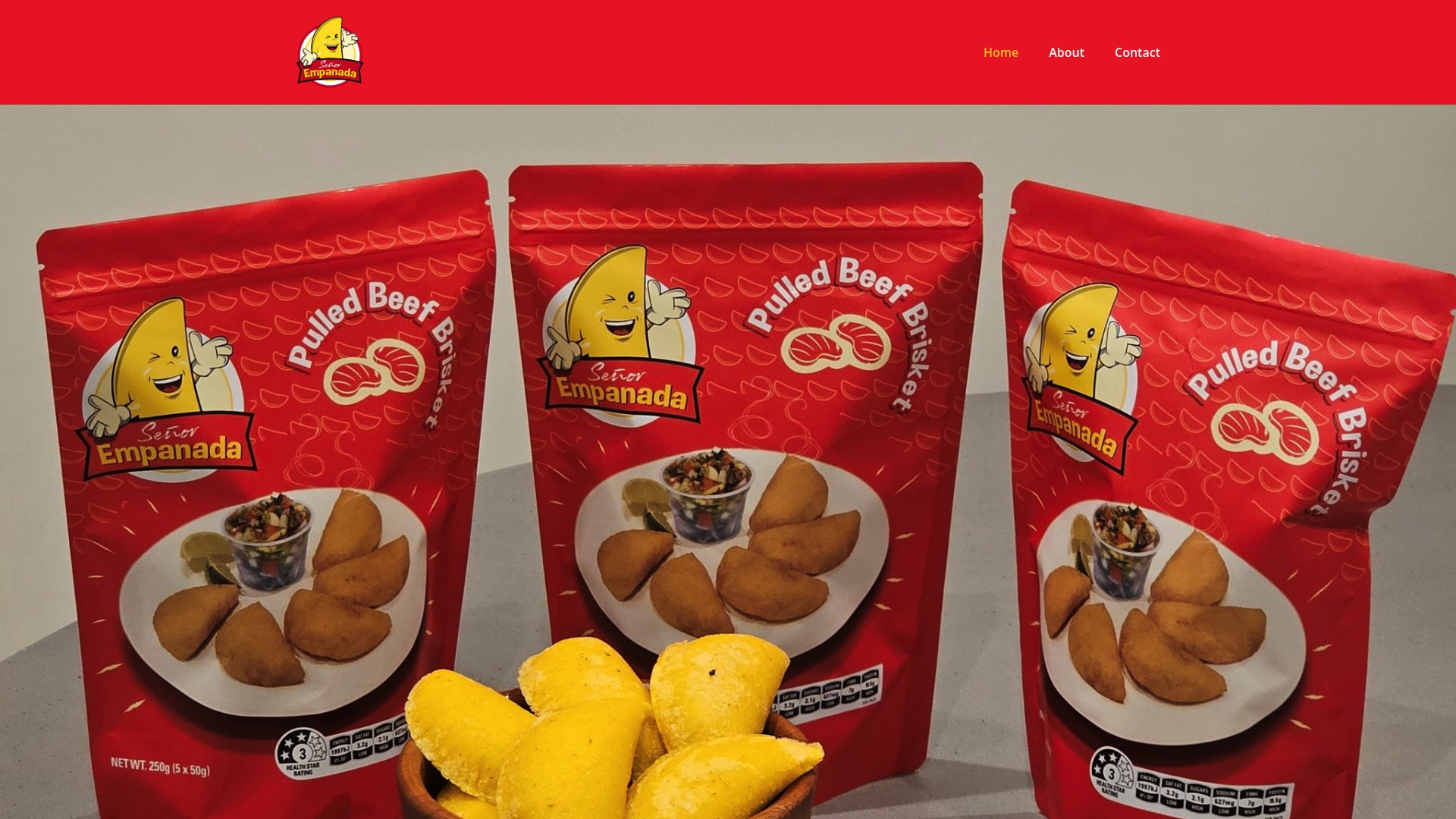
We sell empanadas that go straight from freezer to oven or air fryer, built from traditional recipes and premium ingredients, with reheating guidance included so you’re never guessing on timing or crispness. Whether you’re stocking the freezer for busy weeknights or sorting food for a gathering, our catalogue and catering options are ready to order through our empanadas and sauces page.
FAQ
Can you freeze cooked empanadas?
Yes, cooked empanadas freeze well when cooled completely first and flash-frozen in a single layer before bagging. Stored at -18°C or colder, they stay safe for months, though texture is best within the first few months.
Can you give me a recipe for ground beef empanada filling?
A classic filling starts with browned ground beef, diced onion, garlic, and a mix of cumin, paprika and oregano, simmered until the meat is well seasoned and any excess liquid has reduced. Our best pastry for empanadas recipe guide covers the dough side in detail if you’re building the full empanada from scratch.
Are empanadas healthy?
Empanadas can fit into a balanced diet, particularly when filled with lean protein and vegetables, though baked versions are generally lighter than fried ones. Portion size and filling choice make the biggest difference to how they fit your overall eating pattern.
What is an empanada?
An empanada is a pastry pocket filled with savoury or sweet ingredients, folded and sealed before baking or frying, with roots across Latin American and Iberian cooking. Our guide to what empanadas are covers the dish’s background and common fillings in more depth.
How long can empanadas sit out before they’re unsafe?
Under the 2 hour/4 hour rule, empanadas left between 5°C and 60°C for under 2 hours can still go back in the fridge, 2 to 4 hours means eat them straight away, and beyond 4 hours cumulative they should be discarded. That time counts across the whole day, not just one sitting.
Sources
- 2-hour/4-hour guide (Food Standards Australia New Zealand)
- Don’t give your loved ones food poisoning this festive season | healthdirect