
Yes, serve handheld late-night snacks. Sliders, empanadas, fries in paper cones and other easy, crowd-pleasing bites keep guests dancing instead of drifting toward the exit. Time the drop around cake cutting or between 10pm and 11pm, when energy naturally dips and appetites return. Get the portions, staffing and inclusive options right, and this becomes one of the most talked-about parts of the whole reception.
TL;DR:
- Serving late-night snacks around 10pm to 11pm maximizes energy levels without competing with dinner or wasting food.
- Planning for 1.5 to 2 pieces per guest is standard, with higher amounts needed for late or extended receptions.
- Empanadas, sliders, and loaded fries are budget-friendly options that can be prepared in per-piece portions and do not require cutlery.
- Staffing should include roughly one attendant per fifty guests, with additional staff for passing trays and managing queues.
- Including vegetarian, vegan, and gluten-free options ensures all dietary needs are met, with clear labels and separate utensils to prevent cross-contamination.
Table of Contents
- Late night wedding snack ideas your guests will actually remember
- When to serve late night wedding snacks and how much to order
- Getting the service flow right on the night
- Feeding every guest: dietary-inclusive late night snacks
- Presentation that looks intentional, not thrown together
- Why empanadas earn a spot on the late night menu
- A planner’s straight-talk checklist
- Order your late night wedding snacks from Senor Empanada
- Sources
- FAQ
Late night wedding snack ideas your guests will actually remember
The best late night wedding snacks share three traits: they’re handheld, they’re warm or refreshingly cold, and they don’t need cutlery a guest in heels or a rented tux wants to avoid balancing. Below are the ideas that consistently deliver, with quick notes on portioning and how to serve each one without slowing the party down.
1. Mini sliders. A reception favourite for good reason. Plan on approximately one to one and a half per guest and serve them boxed or passed on trays so people can grab one without breaking their dance rhythm.
2. Empanadas. These are a genuinely flexible pick because a single empanada is a complete, satisfying bite rather than a fragment of a meal. They hold their heat well, travel easily on a tray, and come in fillings (beef, chicken, cheese, vegetarian) that let you cover several dietary bases without running separate stations. Budget about one to two per guest depending on how substantial the earlier meal service was.
3. Loaded fries in paper cones. Cheap to produce at scale and easy to eat one-handed. Cones also solve the plate problem entirely, since there’s nothing to balance or discard awkwardly on a table.
4. Mini wood-fired pizzas. A live pizza station doubles as entertainment. Cut into small triangles, guests can eat two or three slices without derailing a conversation.
5. Mini meat pies and sausage rolls. These regional favourites turn up on nearly every Australian late-night wedding menu, and for good reason. They suit cooler evening receptions and travel well from kitchen to dance floor.
6. Gourmet popcorn. A cheap filler that works brilliantly as a wandering snack between bigger items. Serve in small paper bags so guests can keep grazing while they dance.
7. Doughnut holes. Sweet, bite-sized and endlessly Instagrammable when stacked on a tiered stand. A few per guest is plenty.
8. Ramen or noodle boxes. A late-night surprise that reads as an event, not just food. Best suited to receptions with a slightly bigger budget and enough staff to manage hot broth safely.
9. Gelato or ice cream cups. A cooling contrast after hours of dancing, and popular with older guests who might skip heavier fried options.
10. Churros. Warm, sweet, and easy to dust with cinnamon sugar right before serving so they arrive at the table smelling incredible.
11. Vegetarian bao or grilled cheese bites. Small, satisfying and a natural fit alongside meat-heavy options like sliders or pies.
12. Mini kebabs or skewers. Compact, mess-free, and popular across a wide age range, from flower girls to grandparents.
For couples working with a tighter budget, popcorn, doughnut holes and churros deliver strong crowd appeal without the equipment or staffing that a live pizza or noodle station demands. If you want one item that does double duty as a filling bite and a portioned, cost-controlled order, empanadas fit the brief well because they’re priced and prepared per piece rather than by the tray.

When to serve late night wedding snacks and how much to order
Timing matters more than most couples realise. Serve too early and you compete with dinner; serve too late and half your guests have already called a cab. Industry guidance consistently points to around 10pm to 11pm, or shortly after the cake is cut, as the sweet spot that catches the second wind on the dance floor and avoids wasted food.
Pro Tip: If your reception runs past midnight, plan a smaller second wave rather than one big drop. Replenishing in stages keeps everything fresher and cuts waste compared to a single large batch sitting out for hours.
Portion planning follows a simple scale:
- Light snack: one piece per guest, suited to a shorter reception or an earlier dinner service.
- Standard offering: 1.5 to 2 pieces per guest, the most common choice for a typical five or six hour reception.
- Substantial after-party spread: 2 to 3 pieces per guest, appropriate when the reception runs late or doubles as the main after-party food.
Denser items like sliders or pies satisfy at the lower end of these ranges, while lighter bites such as popcorn or doughnut holes need slightly higher counts to feel generous. Ordering per piece rather than committing to full trays of a second meal keeps costs predictable and lets you mix several snack types without blowing the budget.
Getting the service flow right on the night
Good food means little if guests are queuing three deep or the station runs dry at 11:45pm. A practical staffing guideline is about one attendant per fifty guests for any station-based service, with extra roving staff if you’re passing trays through the crowd.
- Keep stations accessible but offset from the busiest patch of dance floor, so the queue doesn’t block the party.
- Create a one-way flow past the station where the room allows it, which reduces bottlenecks and crowding.
- Use single-serve boxes, paper cones or napkin-friendly holders so nothing needs a plate or cutlery.
- For hot items, plan chafing dishes or hot-holding equipment and swap platters every 30 to 45 minutes to keep food at a safe, appetising temperature.
Pro Tip: Position dessert-style snacks like doughnuts or churros closer to the bar rather than the dance floor entrance. It naturally spreads the crowd instead of creating one congested pinch point.
Feeding every guest: dietary-inclusive late night snacks
A late-night spread that only caters to meat eaters leaves guests standing awkwardly with nothing to grab. Building in vegetarian, vegan and gluten-free options from the start avoids that scramble.
- Swap standard sliders for a plant-based patty version, or offer a vegan wrap station using techniques similar to those in crisp vegan wrap recipes built for holding up over a long service window.
- Offer arepas or a gluten-free empanada option alongside traditional pastry so guests avoiding gluten aren’t limited to a side salad.
- Choose dairy-free gelato and vegan doughnuts where possible, and label them clearly at the station.
- Aim for at least one dedicated vegetarian or vegan item for every two meat-based options, plus one clearly labelled gluten-free choice.
Brief your serving staff on cross-contamination basics and keep separate tongs or utensils for allergen-friendly trays. It’s a small logistics step that prevents a genuinely upsetting moment for a guest with a serious allergy.
Presentation that looks intentional, not thrown together
The way a snack station looks matters almost as much as what’s on it. Roaming servers with trays keep the energy on the dance floor rather than pulling guests away to a static table, and food trucks or a mini pizza table double as entertainment in their own right.
- DIY cone or cup stations let guests build their own fries or popcorn mix, which adds a playful, interactive moment.
- Small boxed cookies or personalised treat bags work well as dismissal gifts, doubling as a thank-you guests take home.
- Tiered stands, simple signage and warm lighting elevate a modest spread without extra cost.
- Branded stickers on takeaway boxes or cones add a personal touch that guests remember well after the night ends.
Why empanadas earn a spot on the late night menu
Empanadas solve a real problem: they’re a complete, mess-free bite that satisfies without needing a fork. They can be pre-baked, held warm through a long reception, and portioned by the piece for tighter budget control. Fillings can be labelled clearly for vegetarian or gluten-free guests without setting up a whole separate station. If you’re calculating numbers for your own event, this quantity guide breaks down how many to order per guest.

A planner’s straight-talk checklist
Our recommendation, if you take nothing else from this: go handheld, include one inclusive option in every category, and staff properly. Three steps before you finalise anything: confirm your serving time against the reception schedule, pick two snack types (one warm, one sweet), and lock in staffing or a vendor early. Don’t skip hydration stations, and make sure transport options are visible near the exit as the night winds down.
— Senor Empanada
Order your late night wedding snacks from Senor Empanada
Some caterers offer a menu built entirely around handheld, per-piece food designed for grazing, not sitting formally on a plate. Where a full second-meal caterer locks you into set trays and fixed headcounts, ordering empanadas and sauces by the piece means you can mix fillings, control your budget precisely, and cover vegetarian and gluten-free guests without a second menu.
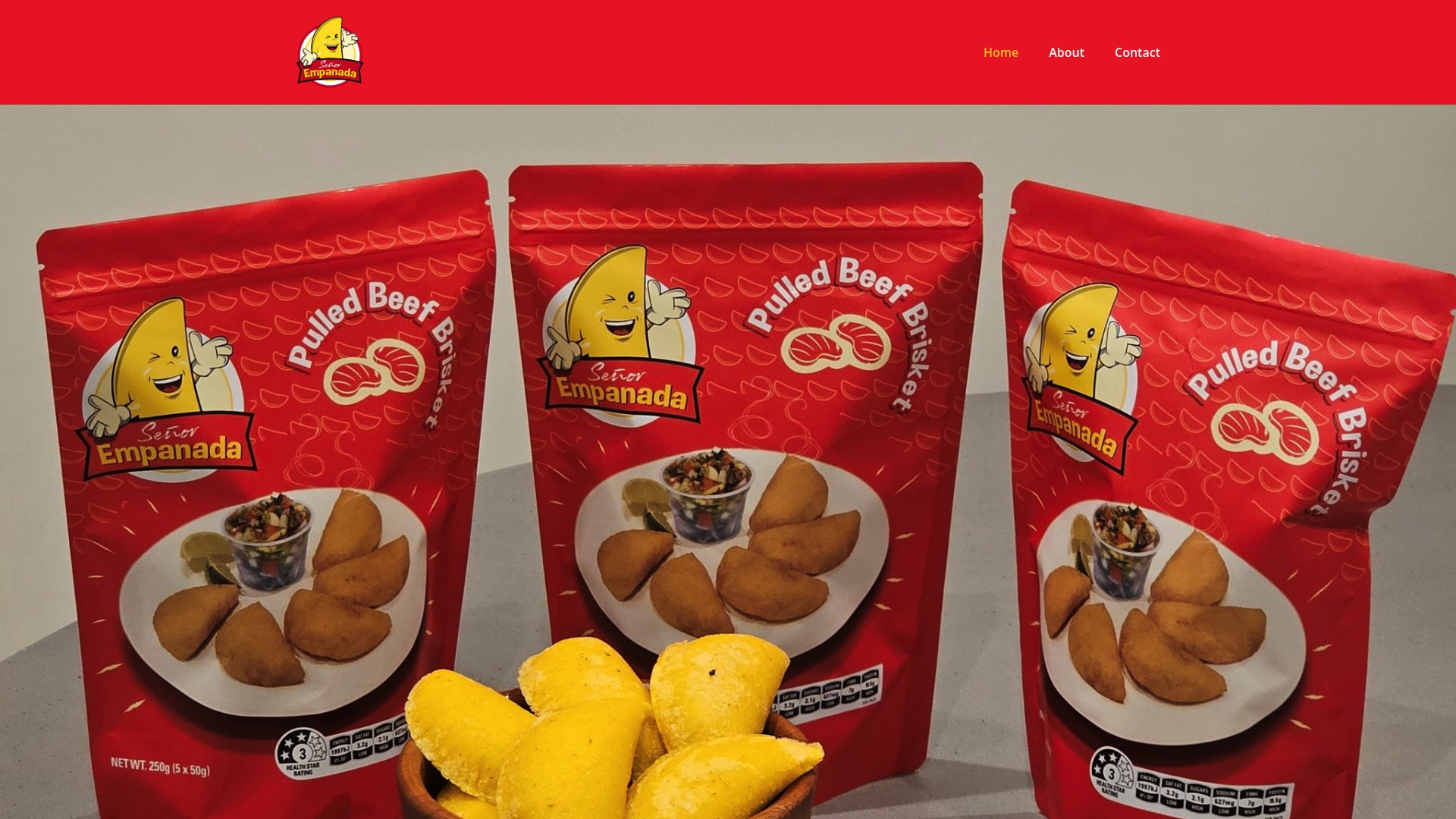
Some providers support event packages with portioning advice and simple reheating guidance to help late-night service run smoothly for various guest counts. When planning a reception, consider catering partners familiar with hot-holding, dietary labelling, and dance-floor-friendly packaging to ensure quality service.
Sources
For planners who want to dig further into the guidance behind this article: Easy Weddings on timing, The Knot’s late-night food picks, Wedding SA’s regional favourites, and the CDC’s guidance on hydration for balancing food with drinks late in the night.
- 18 moreish ideas for late night wedding snacks your guests will devour | Easy Weddings
- Top 10 late-night wedding snacks (Wedding SA)
FAQ
What are good late-night snacks for a wedding?
Handheld comfort foods work best: sliders, empanadas, mini meat pies, loaded fries and doughnut holes all rank among the most popular choices because they’re easy to eat while dancing.
What time is late-night snack service at a wedding?
Most receptions serve late-night snacks around 10pm to 11pm, or shortly after the cake is cut, timed to catch the second wave of dance floor energy.
What are some good late-night snacks for guests with dietary needs?
Offer at least one vegetarian or vegan option for every two meat-based choices, plus a clearly labelled gluten-free item such as an arepa or gluten-free empanada.
How much late-night snack should you plan per guest for a wedding?
A standard offering is 1.5 to 2 pieces per guest, rising to 2 to 3 pieces if the reception runs well past midnight or doubles as the main after-party food.
How many staff do you need for a late-night wedding snack station?
Plan on roughly one attendant per 50 guests for stations, with extra roving staff if you’re passing trays directly through the crowd.