Latin American cuisine is defined by four foundational ingredients: corn, beans, potatoes, and chiles, which anchor iconic dishes from Mexico to Patagonia. Across more than 20 countries, this cuisine tells a story of indigenous ingenuity, colonial exchange, and African heritage woven into every bite. Argentina’s asado, Peru’s ceviche, and Brazil’s feijoada each represent a distinct culinary tradition shaped by geography, history, and community. For Australian home cooks and food lovers, this latin american foods list is your starting point for one of the world’s most rewarding culinary adventures.
1. What are the most iconic traditional Latin American dishes?
Latin America holds 20 distinct national dishes spanning the continent, each carrying deep cultural meaning. These are not just meals. They are living traditions passed down through generations.
Argentina: asado and empanadas
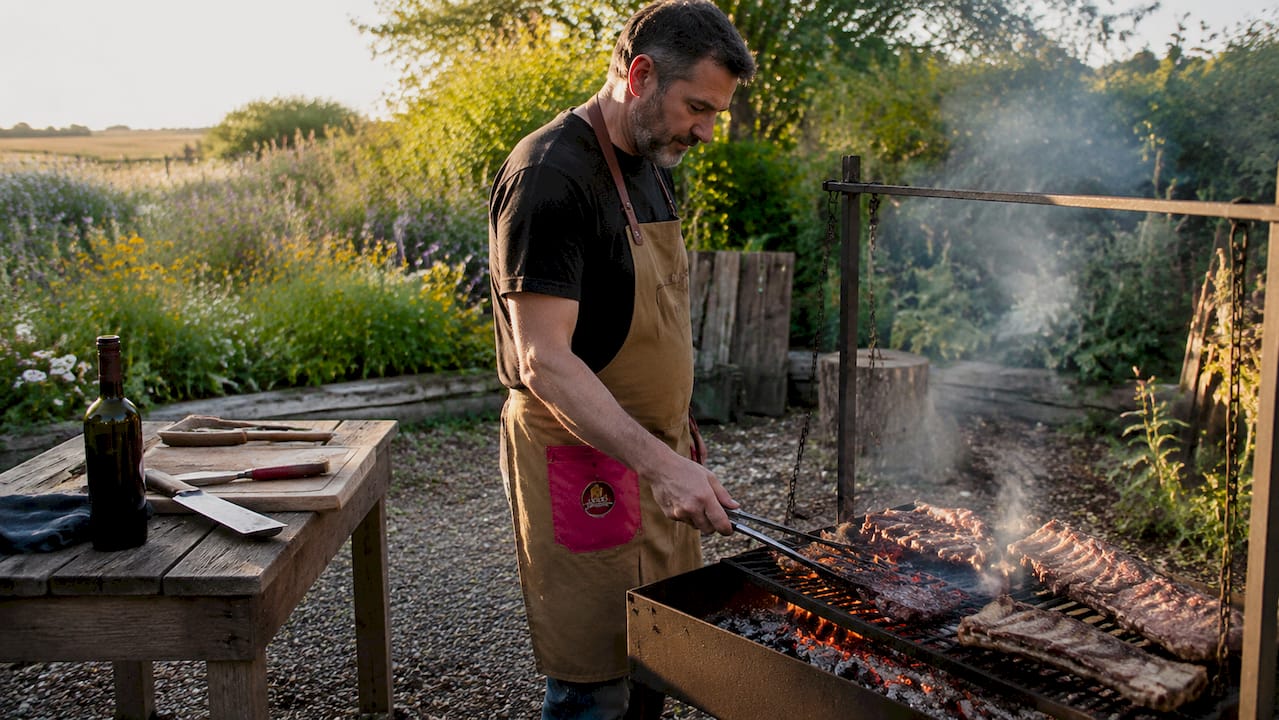
Asado is Argentina’s national ritual as much as it is a meal. Whole cuts of beef, pork ribs, and offal are slow-cooked over an open wood fire, often for several hours. The result is smoky, tender, and deeply communal. Empanadas sit alongside asado as Argentina’s most beloved handheld food, stuffed with spiced beef, olives, and hard-boiled egg in a golden pastry shell.
Brazil: feijoada and acarajé
Brazilian feijoada requires varied pork cuts including smoked and salted varieties to achieve its signature thick, hearty texture. It is a slow-cooked black bean stew served with rice, farofa, and orange slices to cut through the richness. Acarajé, from Bahia, is a deep-fried black-eyed pea fritter filled with dried shrimp and vatapá, a spiced prawn paste. It reflects the strong Afro-Brazilian culinary identity of Brazil’s north-east coast.
Peru and Ecuador: ceviche and anticuchos
Peruvian ceviche is raw fish cured in fresh lime juice, tossed with red onion, chilli, and coriander. The acid “cooks” the fish without heat, producing a bright, clean flavour. Anticuchos are beef heart skewers marinated in vinegar and ají panca chilli, grilled over charcoal. They are a staple of Peruvian street markets and a perfect example of nose-to-tail cooking done with elegance.
Mexico: tacos, mole, tamales, and pozole
Taco authenticity lies in regional filling diversity rather than the tortilla itself. From al pastor in Mexico City to cochinita pibil in the Yucatán, every region has its own version. Traditional Mexican mole involves a multi-day preparation blending chiles, nuts, spices, and chocolate into a sauce of extraordinary depth. Tamales are masa dough filled with meat or cheese, wrapped in corn husks, and steamed. Pozole is a hominy corn soup with pork or chicken, garnished with shredded cabbage, radish, and lime.
Pro Tip: When making mole at home, toast your dried chiles in a dry pan before soaking them. This step unlocks oils and deepens the flavour significantly.
Colombia and Venezuela: arepas and bandeja paisa
Arepas are grilled or fried corn cakes eaten at every meal across Colombia and Venezuela. Bandeja paisa is Colombia’s most filling dish: a platter of red beans, rice, ground beef, chicharrón, fried egg, avocado, and sweet plantain. It is a meal that reflects the agricultural abundance of the Antioquia region.
2. Which popular Latin American snacks and street foods should you try?
Latin American street food is where the cuisine truly comes alive. These are the foods sold from carts, eaten standing up, and shared between friends at markets and festivals.
- Empanadas: Empanada size and filling variations distinguish snack from meal categories across the continent. Argentine versions use beef and olive. Chilean empanadas are larger and baked with a juicy pino filling. Colombian empanadas are smaller, fried, and made with corn dough. Each version carries its own regional identity.
- Choripán: Argentina’s answer to the sausage sandwich. A grilled chorizo sausage split and served in crusty bread with chimichurri sauce. Simple, satisfying, and found at every Argentine street corner and football match.
- Tostones and maduros: Tostones are twice-fried green plantain slices, crispy outside and starchy inside. Maduros are ripe plantains fried until caramelised and sweet. Both are staples across the Caribbean and Central America, served as sides or snacks.
- Elote: Mexican grilled corn on the cob, slathered with mayonnaise, cotija cheese, chilli powder, and lime. It is one of the most popular Latin American street food favourites and a masterclass in balancing fat, acid, heat, and salt.
- Chicharrón: Crispy fried pork skin eaten across nearly every Latin American country. In Colombia it is served with arepas. In Peru it is piled onto sandwiches. The texture ranges from light and airy to dense and chewy depending on preparation.
- Anticuchos and tamales: Both travel well as street food. Anticuchos are skewered and grilled to order. Tamales are wrapped in their own packaging and sold from large pots, making them ideal for markets and festivals.
Pro Tip: Look for authentic empanada recipes that specify the dough type. Corn dough and wheat dough produce very different results, and the filling should match the dough tradition of its country of origin.
3. What staple ingredients define traditional South American cuisine?
Latin American cuisine is anchored by corn, beans, potatoes, and chiles. These four ingredients appear in some form across virtually every country and cooking tradition on the continent.
| Ingredient | Key forms | Dishes it defines |
|---|---|---|
| Corn | Masa, arepa dough, hominy, whole kernels | Tacos, arepas, tamales, pozole |
| Beans | Black, pinto, red, white | Feijoada, bandeja paisa, refried beans |
| Potatoes | Andean varieties, papa amarilla, purple potato | Causa, locro, potato stews |
| Chiles | Ají amarillo, ají panca, ancho, chipotle | Mole, ceviche, anticuchos, salsas |
| Plantains | Green (tostones), ripe (maduros) | Side dishes, snacks, desserts |
| Rice | Long grain, short grain | Served alongside nearly every main dish |
Corn appears in more forms than any other ingredient. Masa is nixtamalised corn dough used for tortillas and tamales. Arepa dough uses precooked corn flour. Hominy is dried corn treated with an alkali solution, used in pozole. Each form produces a completely different texture and flavour profile.
Andean potatoes deserve special mention. Peru alone has over 3,000 native potato varieties. Papa amarilla, a yellow-fleshed waxy potato, is the base of causa, a layered cold dish with tuna or chicken. These varieties have a creaminess and earthiness that standard supermarket potatoes cannot replicate.
Pro Tip: Using masarepa (precooked corn flour) rather than standard cornmeal is the single most important step in making authentic arepas. The texture difference is dramatic.
4. How do regional influences shape the diversity of Latin American foods?
South American cuisine blends indigenous, European, and African culinary traditions, shaped by geography as much as by history. The Andes, the Amazon, the Pampas, and the Caribbean coast each produce a distinct food culture.
The Andean region relies on tubers, quinoa, and indigenous proteins including llama and guinea pig (cuy). These ingredients sustained civilisations long before European contact and remain central to Peruvian and Bolivian cooking today. Cuy is roasted whole and served at celebrations. Quinoa, now found in every Australian health food shop, was a sacred crop of the Inca Empire.
Brazil’s Bahian cuisine stands as one of the most vivid examples of African culinary influence in the Americas. Dishes like acarajé, moqueca, and vatapá use palm oil, coconut milk, and dried shrimp in ways that trace directly back to West African cooking traditions. Bahia’s cuisine is distinct from the rest of Brazil, shaped by the demographics of the region’s history.
Argentina’s Pampas region tells a different story. Waves of Italian and Spanish immigration in the 19th and early 20th centuries shaped a cuisine built around cattle, wheat, and wine. Argentine pizza and pasta are serious culinary traditions, not imitations. The Italian influence on Argentine empanadas is visible in the use of wheat pastry rather than corn dough.
Peru’s coastal geography produced one of the world’s great seafood cuisines. Ceviche, tiradito, and leche de tigre all depend on the cold Humboldt Current, which drives an extraordinary abundance of fish and shellfish along the Pacific coast. This geography is inseparable from the food.
Key takeaways
Empanadas and feijoada are cultural cornerstones that tell stories about history and community, and the best way to engage with Latin American cuisine is to start with its foundational ingredients and let regional traditions guide the rest.
| Point | Details |
|---|---|
| Four core ingredients | Corn, beans, potatoes, and chiles underpin nearly every Latin American dish across all countries. |
| Regional diversity is the point | Geography and history produce distinct cuisines within each country, not just between them. |
| Masarepa matters | Authentic arepas require precooked corn flour, not standard cornmeal, for the correct texture. |
| Empanadas vary widely | Dough type, filling, and cooking method differ by country and carry distinct cultural meaning. |
| Street food reveals the culture | Snacks like elote, choripán, and anticuchos show how Latin Americans actually eat day to day. |
Our take on exploring Latin American cuisine
We have spent years working with these ingredients and traditions, and the most honest thing we can say is this: the apparent simplicity of Latin American food is its greatest trick. A taco looks straightforward. An arepa looks easy. But the depth behind each one only reveals itself when you understand where it comes from.
The dishes that surprise us most are the ones built on humble ingredients. Feijoada is pork and beans. Ceviche is raw fish and lime juice. Yet both require real knowledge to execute well. The technique, the balance, and the sourcing of the right ingredients are what separate a good version from a great one.
For home cooks in Australia, the biggest barrier is sourcing. Masarepa is available at Latin grocery stores in most major cities. Ají amarillo paste is increasingly stocked at specialty food shops. Dried ancho and chipotle chiles are findable online. The ingredients are more accessible than most people realise.
Our advice: start with empanadas. They are forgiving, endlessly adaptable, and give you a direct connection to the heart of Latin American cooking. Once you have made a batch from scratch, the rest of the cuisine opens up naturally.
— Senor Empanada
Authentic Latin American flavours, ready to explore
At Senor Empanada, we craft empanadas using traditional recipes and premium ingredients, from our Traditional Beef Empanada to our Cheesy Empanada and arepas. Every piece reflects the cultural richness and regional diversity covered in this guide.
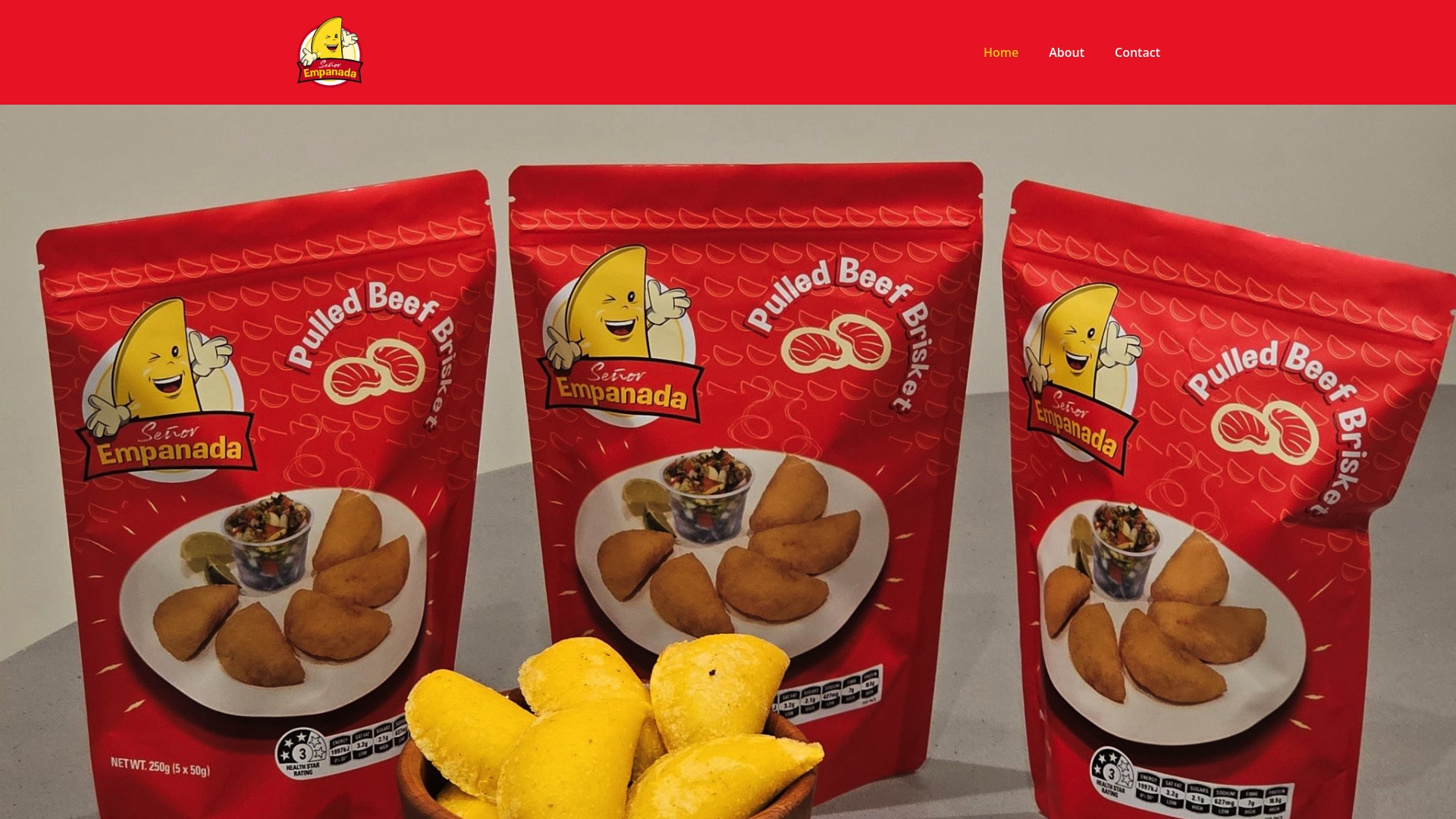
Whether you are hosting a gathering or looking for a satisfying weeknight meal, our range brings genuine Latin American flavour to your table. For home cooks ready to go further, our collection of authentic empanada recipes covers ten traditional styles with step-by-step guidance. If you are in Sydney and want to try before you cook, our guide to trusted empanada providers in the city is a practical starting point.
FAQ
What are the most popular Latin American dishes?
The most popular traditional dishes include Argentina’s asado and empanadas, Peru’s ceviche, Brazil’s feijoada, and Mexico’s tacos and mole. These dishes appear on lists of national foods across all 20 Latin American countries.
What is the difference between an arepa and a tamale?
An arepa is a grilled or fried corn cake made from precooked corn flour (masarepa), eaten fresh and often split and filled. A tamale is masa dough filled with meat or cheese, wrapped in a corn husk, and steamed.
What are the best Latin American street food favourites for beginners?
Empanadas, elote, and choripán are the most accessible entry points. They are widely available, easy to understand, and represent the flavour profiles of three distinct regional traditions.
What staple ingredients should I stock for Latin American cooking?
Stock masarepa, dried chiles (ancho and chipotle), black beans, long-grain rice, and plantains. These five ingredients cover the base of most popular Latin American dishes across Mexico, the Caribbean, and South America.
How does Brazilian cuisine differ from the rest of South America?
Brazil’s size means its cuisine varies dramatically by region. Bahian cooking in the north-east carries strong African culinary influences through ingredients like palm oil and coconut milk, while southern Brazil reflects heavy European immigration through its churrasco and pasta traditions.