
A balanced savoury lunchbox follows a simple formula: one grain, one vegetable or legume, one protein, a dairy or dairy alternative, plus fruit and water. Swap the usual sandwich for savoury muffins, slices, mini quiches, fritters, wraps, pasta or rice salads, or empanada pieces, and you have a rotation that covers weeks without repeating itself. The sections below walk through the ideas, the safety rules that matter and a batch-prep plan to make mornings easier.
TL;DR:
- Using an ice brick in a well-insulated lunchbox is essential to keep perishable items below 5°C during the day.
- Batch cooking muffins, slices, and cooked proteins allows for convenient freezing and reheating, saving time during busy mornings.
- Variations like wraps, rice salads, empanadas, and mini quiches provide diverse, portable options that hold up well cold or reheated.
- Separating sauces and dips from foods helps prevent sogginess and increases the likelihood of complete consumption.
- Proper food safety practices, including starting with cold items from the fridge and using a preheated flask for hot meals, prevent spoilage and foodborne illness.
Table of Contents
- How to build a balanced savoury lunchbox
- Grouped savoury lunchbox ideas beyond the sandwich
- Make-ahead, batch-cook and freezing tips
- Food safety: temperature control, ice bricks and flasks
- Quick swaps for kids who hate sandwiches
- Batch-prep checklist and a simple Sunday to Friday plan
- A note from Señor Empanada on handy savoury snacks
- Honest options for busy mornings
- FAQ
- Sources
How to build a balanced savoury lunchbox
The five-group approach works for almost any savoury format: a grain food, a vegetable or legume, a protein (egg, lean meat, fish, tofu or legumes), a dairy serve or alternative, and fruit with plain water to drink. The Healthy Eating Advisory Service recommends this pick-and-mix method because it is flexible enough to stay varied while still covering what growing kids need across the week.
Three combos show how it works in practice:
- A savoury muffin, carrot and cucumber sticks, a cheese stick and a mandarin.
- A wholemeal wrap with shredded chicken, edamame beans and a tub of yoghurt.
- Pasta salad with tuna and corn, an apple, and a small cheese portion.
Combining crunchy and soft textures in the same lunchbox, with formats rotated regularly, makes a child more likely to eat the full spread rather than pick at one item, according to the Healthy Eating Advisory Service. Younger children generally do better with smaller, softer pieces, so fibrous vegetables like broccoli or capsicum are worth blanching or roasting rather than packing raw.
Grouped savoury lunchbox ideas beyond the sandwich
Savoury muffins and slices sit at the top of most rotations for good reason: zucchini slice, corn and cheese muffins, or pea and ham muffins all hold their shape, taste fine cold and freeze well in individual portions. Mini quiches and frittata bites follow a similar logic. Egg-based fillings like spinach and feta or ham and capsicum are portable, protein-rich and genuinely good eaten cold straight from the box.
Scrolls, pinwheels and wraps give you another texture entirely. Cheese and bacon scrolls, spinach and ricotta pinwheels, or hummus and veggie pita pockets travel well and double as finger food for younger kids who struggle with cutlery. Fritters, croquettes and patties, corn, zucchini or sweet potato, pack a vegetable serve into something handheld, and a small tub of yoghurt-based dip or tomato relish lifts them further.
Rice and pasta salads solve the “I’m bored of bread” problem neatly. Tuna pasta salad, chilled chicken fried rice or a soba noodle pot with vegetables are all cold-friendly mains that reheat poorly but eat beautifully straight from the fridge. The NSW Government’s lunchbox guidance lists exactly these formats, plus rice-paper rolls and couscous salad, as reliable swaps for the daily sandwich, and specifically calls out leftovers, roast chicken in a roll, last night’s stir-fry, as a genuine planning shortcut rather than an afterthought.
This is where handheld Latin formats earn their place. Empanada and arepa pieces are naturally portion-sized, hold up well chilled or reheated, and freeze cleanly, which makes them one of the easier “something different” options on a Thursday when the muffin tin is empty. Round out the rotation with dips, crackers and cheese packs, boiled eggs, or a small protein snack box for the days when nobody wants a hot meal.

For warm lunches, a preheated flask changes what is possible. Mac and cheese, dhal or a thick vegetable soup all travel well in a flask that has been rinsed with boiling water for a few minutes before filling, a tip the Department of Health specifically recommends over relying on the lunchbox itself to hold heat.
Pro Tip: Fill the flask with boiling water, let it sit for two to three minutes, then tip it out and add the hot food straight away. That short head start keeps lunch properly warm until midday.

Make-ahead, batch-cook and freezing tips
Batch cooking turns the weekly lunchbox grind into a once-a-week job. The National Nutrition Foundation’s lunchbox guide points to homemade muffins, slices and rolls as particularly cost-effective because they freeze and reheat so reliably when portioned correctly.
- Bake a batch in a muffin tin so every portion comes out the same size, then cool completely before freezing.
- Freeze pieces flat on a tray first, then transfer to a labelled bag once solid, this stops them fusing into one block.
- Thaw what you need overnight in the fridge, or reheat empanada pieces and mini quiches from frozen in a hot oven for around 10 to 12 minutes.
Pro Tip: Label every bag with the contents and the date. A freezer that looks organised gets used; one full of mystery parcels gets ignored until it’s cleaned out.
Food safety: temperature control, ice bricks and flasks
Perishable savoury foods that will sit in a bag for several hours need to stay below 5°C, which means an insulated lunchbox paired with a proper ice brick, not just a frozen juice box. The Queensland Government’s food safety guidance is blunt about the outcome if food has been sitting warm and unrefrigerated: if it is uneaten by the end of the day, it gets thrown out rather than saved for tomorrow.
- Pack cold items straight from the fridge, not from the bench, so they start the day already cold.
- Use a properly frozen ice brick, not a half-thawed one, alongside rice, pasta, egg or dairy-based items.
- For anything meant to stay hot, use a preheated flask rather than hoping the lunchbox holds the warmth.
An ice brick in a well-insulated lunchbox keeps contents several degrees cooler than a bag without one, and cut fruit left without cooling shows a sharp rise in bacterial counts by mid-afternoon, according to NSW Food Authority testing.
Quick swaps for kids who hate sandwiches
Some kids simply will not eat anything between two slices of bread, and that is fine once you have handheld alternatives on hand.
- Zucchini slice cut into roll-up strips, easy to pick up, good cold.
- Mini muffin tin mac and cheese cups, freezer-friendly, reheats from frozen.
- Tuna or chicken bento-style balls, served with a small dip tub on the side.
- Mini empanada pieces, cold or reheated, freezer-friendly.
- Pita pizza slices, best packed with sauce separate to stop sogginess.
Cutting items into strips or balls rather than slabs, and keeping any sauce or dip separate until lunchtime, makes a real difference to how much actually gets eaten.
Batch-prep checklist and a simple Sunday to Friday plan
A short Sunday session covers most of the week if you plan it around the freezer.
- Bake one batch of muffins or slice, and cook one extra portion of whatever is for dinner to repurpose for lunches.
- Chop raw veg for four days and portion dips into small containers so mornings are just an assembly job.
- Midweek, pull portions from the freezer the night before, rotate which protein goes in and freeze a water bottle to double as an ice brick.
Pro Tip: Keep a standing checklist by the fridge: containers, ice bricks, labels, flask, dip tubs. Five minutes of checking beats a last-minute scramble at 7am.
A note from Señor Empanada on handy savoury snacks
Our empanadas provide something flavourful, properly portioned and freezer-friendly enough to survive a busy week. Parents looking for ready-made options can browse our kids party snacks for ideas that double neatly as lunchbox fillers.
Honest options for busy mornings
Empanadas and arepas can be portioned, freeze well and reheat in minutes, making them a useful option when the muffin tin is empty and the morning is short. They work equally well as a lunchbox filler on a rushed Tuesday or as the centrepiece of a kids’ party spread.
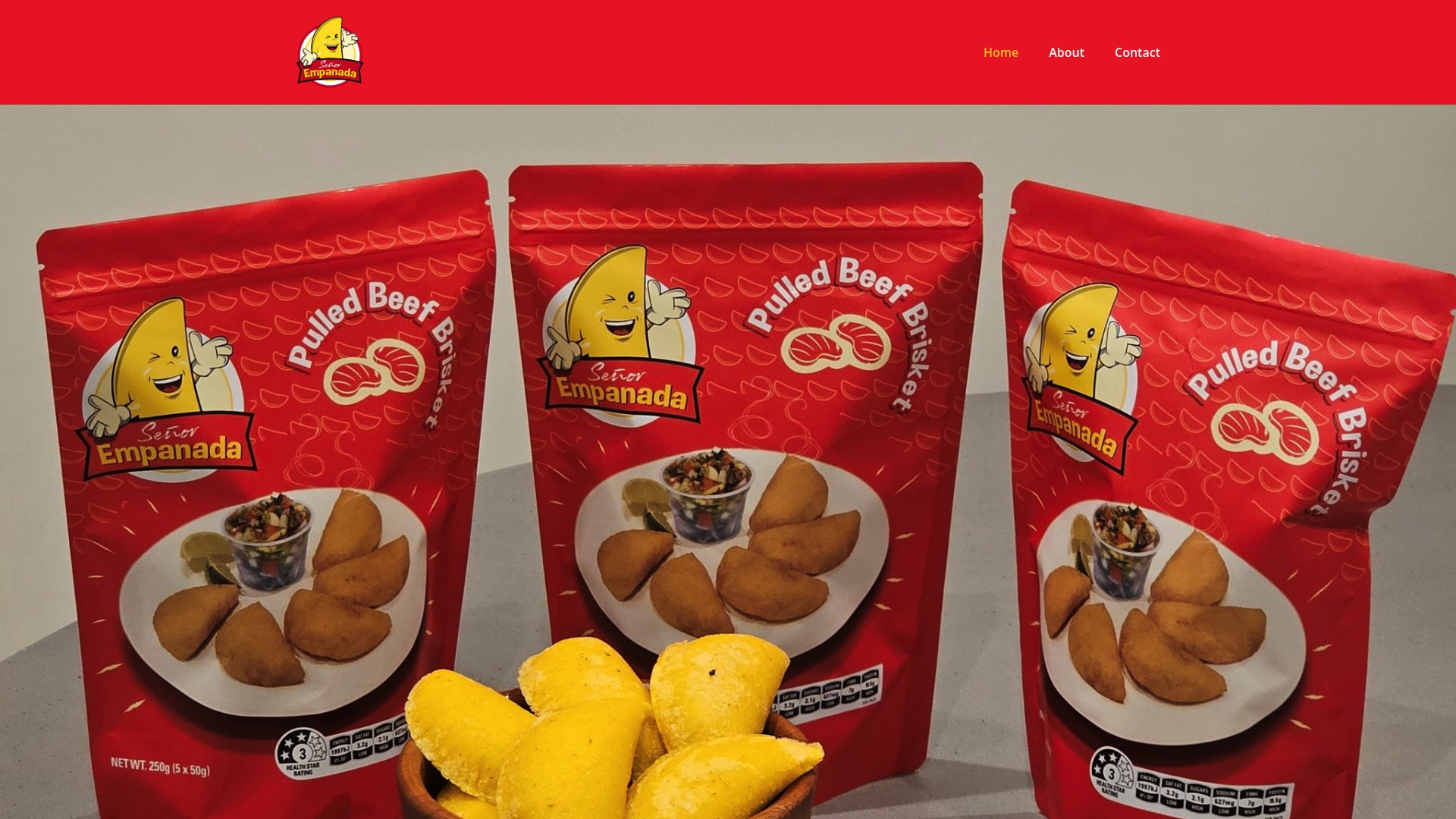
- Browse our empanadas and sauces for the full range available to order.
- Read our guide on making empanadas ahead and portioning them for freezing and reheating notes.
- Check what to serve alongside empanadas if you want a dip or side ready to go.
If a lunchbox staple that freezes well and reheats fast sounds useful, our shop is the place to start.
FAQ
What are some good savoury snacks to include in a lunchbox?
Cheese and crackers, boiled eggs, a small savoury muffin, vegetable sticks with hummus, and empanada pieces all work well as savoury snacks. Mixing a crunchy item with a soft one in the same box tends to get eaten more fully than a single large item.
What are some good savory lunch ideas?
Zucchini slice, mini quiches, pasta or rice salad, wraps and cheese and bacon scrolls are reliable savoury mains that hold up cold. The NSW Government’s lunchbox guidance lists leftovers such as roast chicken in a roll as an easy addition too.
What are some good food ideas for a packed lunchbox?
Follow the five-group formula: a grain, a vegetable or legume, a protein, a dairy serve and fruit with water. Rotate formats like muffins, fritters, wraps and pasta salad so the same meal doesn’t appear twice in one week.
What are some good food ideas for a school lunchbox?
Savoury muffins, mini frittatas, rice-paper rolls and a small protein snack box all suit a school lunchbox because they’re easy to eat cold and simple to pack the night before. Keep perishable items below 5°C with a proper ice brick, as the Queensland Government’s food safety guidance recommends.
How do I keep perishable lunchbox food safe in warm weather?
Use an insulated lunchbox with a properly frozen ice brick for cold items, and a flask preheated with boiling water for anything meant to stay hot. If perishable food has been sitting unrefrigerated for several hours and goes uneaten, throw it out rather than saving it for the next day.
— Senor Empanada
Sources
- Healthy school lunchboxes | Healthy Eating Advisory Service
- Healthy school lunchboxes | NSW Government
- Food safety at home | Queensland Government
- Department of Health (Australia)
- The guide to packing lunchboxes — National Nutrition Foundation