
The easiest, most reliable approach is a mixed tray of make-ahead finger foods, savoury bites, small sweet pastries, and grab-and-go pots, paired with a simple portion rule. Aim for 4 to 6 varieties, plan roughly 4 to 5 pieces per guest for a short session, label every allergen clearly, and respect FSANZ temperature guidance for anything held on display.
TL;DR:
- Ordering four to six varieties with 4 to 5 pieces per guest is sufficient for a short one- to two-hour networking breakfast.
- Savoury bites like empanadas, egg bites, and sliders tend to disappear faster than sweet options such as muffins or fruit skewers.
- Make-ahead items like mini quiches, muffins, and cheese stacks hold well overnight and should be reheated quickly to stay within food safety guidelines.
- Clear allergen labelling and separate utensils for nuts and sauces are essential for safe, inclusive self-service.
- Use insulated transport and track temperature times carefully, discarding food that has been out of the safe zone for over four hours.
Table of Contents
- Networking breakfast finger foods: 12 ideas worth serving
- Portions, planning rules and how much to order
- Dietary inclusivity and allergen-safe labelling
- Food safety: applying the FSANZ 2-hour/4-hour rule
- Make-ahead prep and reheating that actually works
- Presentation: making a simple spread look considered
- A note from Senor Empanada on savoury breakfast bites
- Order empanadas and arepas for your next breakfast event
- Sources
- FAQ
Networking breakfast finger foods: 12 ideas worth serving
A networking breakfast lives or dies on ease of eating. Guests are holding a coffee in one hand and a business card in the other, so nothing should need cutlery, and nothing should drip. Here’s a shortlist that balances sweet and savoury while keeping morning prep sane.
- Mini quiches or egg bites. Classic for good reason: they hold their shape at room temperature for a good stretch and reheat well the night before you need them, a make-ahead trick confirmed by several breakfast finger food guides.
- Empanadas and arepas. Señor Empanada’s savoury pastries and corn cakes travel beautifully and reheat to order, which makes them a dependable pick for organisers who don’t want soggy pastry by 9am. They’re also naturally portioned, so counting per-guest servings is straightforward.
- Mini muffins. Wholegrain or banana versions tick the fibre box the Australian Dietary Guidelines flag as useful for sustained morning energy, rather than a sugar spike that fades before the second coffee.
- Savoury sliders. Small bacon-and-egg rolls or breakfast sliders satisfy guests who want something more substantial, served warm from a heat-retaining carrier.
- Fruit skewers. Melon, berries, and grape combinations need no plate and no cutlery, and they’re the first thing vegan guests will reach for.
- Yoghurt or granola pots. Single-serve cups keep queues moving because there’s no serving spoon to fight over, a point party catering blogs make repeatedly about morning events.
- Brownie or coffee cake bites. One indulgent option per platter is enough; more than that and the tray reads as a dessert table, not a breakfast.
- Mini croissants. Plain, almond, or ham and cheese, served at room temperature, no reheating drama required.
- Smoked salmon blinis. A touch of polish for a higher-stakes event, and naturally gluten-free if you swap the blini for a rice cracker base.
- Cheese and crispbread stacks. Pre-assembled the night before, these cover the guest who wants something savoury but light.
- Falafel bites. A reliable vegan, often gluten-free, option that doesn’t feel like an afterthought next to the meatier choices.
- Mini breakfast tacos. Scrambled egg, a little cheese, a soft tortilla, they’re a crowd favourite in breakfast finger food roundups and easy to fold into a compostable holder for a mess-free bite.
Portions, planning rules and how much to order
Order for 4 to 6 different items and budget around 4 to 5 pieces per guest for a networking breakfast running an hour or two. That figure sits below the 6 to 12 pieces per guest Señor Empanada recommends for longer grazing-style functions, because a short morning session simply doesn’t need the same volume.
Quick scaling guide:
- 10 guests: roughly 40 to 50 pieces across 4 varieties.
- 30 guests: roughly 120 to 150 pieces across 5 varieties.
- 100 guests: roughly 400 to 500 pieces across 6 varieties, ordered in staggered batches if you’re reheating on site.
Savoury bites disappear faster at breakfast events than sweet ones.*
Dietary inclusivity and allergen-safe labelling
Food allergies and intolerances affect a meaningful slice of any professional crowd, so clear labelling isn’t optional at a networking event where guests are grabbing food quickly between conversations. Bold, visible tags let people self-select without pulling a staff member aside.
- Use bold cards naming the top allergens (gluten, dairy, nuts, egg) rather than vague “contains allergens” labels.
- Keep separate serving tongs or utensils for nut-containing items to avoid cross-contact.
- Serve sauces and dips separately so guests control what touches their plate.
- Build the menu around at least one vegan, one gluten-free, and one nut-free item as a baseline, not an afterthought.
- Brief serving staff on the basics so they can answer a quick allergen question without checking with the kitchen.
Pro Tip: A dairy-free party food guide is worth a skim if you’re catering for a mixed corporate crowd; the same substitution logic applies to breakfast spreads.
Food safety: applying the FSANZ 2-hour/4-hour rule
Potentially hazardous food, anything with egg, dairy, or meat, sits in the danger zone between 5°C and 60°C. FSANZ guidance is specific: under 2 hours in that zone, food can go back into temperature control; between 2 and 4 hours, it must be eaten straight away; past 4 hours, it gets discarded, no exceptions.
- Transport chilled items in insulated boxes right up until display time.
- Reheat hot items to at least 60°C before they go into any holding equipment.
- Use a bain-marie to hold temperature, never to slowly bring cold food up to heat.
- Track cumulative time out of temperature control across transport, setup, and service, not just service alone.
- Keep a probe thermometer on hand and label each platter with its time-in-display.
These process controls line up with the broader food business standards that govern catering display and disposal, and they’re worth pinning to a checklist rather than trusting to memory on a busy morning.
Make-ahead prep and reheating that actually works
- Prep the night before: mini quiches, muffins, and granola pots all hold well refrigerated overnight.
- Reheat fast, not slow: a hot oven or microwave to 60°C or above beats a bain-marie warming from cold, which can leave food stuck in the danger zone too long, a distinction worth knowing before you plug in the warming trays.
- Assemble last: fruit skewers and cheese stacks go together in the final 30 minutes, once everything hot is already sorted.
Pro Tip: Single-serve cups and pre-portioned platters aren’t just tidy, they cut the reheating window because nothing needs re-plating on arrival. A reheating checklist for venues is handy if you’re briefing a venue team that hasn’t handled a breakfast crowd before.
Presentation: making a simple spread look considered
Height and grouping do most of the visual work. Stack platters at varying levels, cluster similar flavours together, and give allergen-flagged items their own clearly labelled zone away from everything else.
- Provide tongs for every platter, not one set shared across the table.
- Stack small plates and napkins at both ends of the table to prevent bottlenecks.
- Put the coffee and juice station at a slight distance from the food to spread the crowd out.
- Favour single-serve items where you can, they cut queue time more than any amount of extra staff.
For broader styling ideas beyond the breakfast table, event meal format inspiration is worth a look when you’re planning a bigger corporate calendar.
A note from Senor Empanada on savoury breakfast bites
We’ve watched plenty of organisers hesitate over savoury options at breakfast, worried about sogginess or awkward reheating. Empanadas and arepas solve both problems: they’re portioned by nature, reheat consistently, and travel without losing their structure, which makes portioning and timing far less of a guessing game on event morning.
— Senor Empanada
Order empanadas and arepas for your next breakfast event
One order can get you empanadas and sauces that reheat consistently and portion cleanly, avoiding the guesswork of coordinating separate sweet and savoury caterers.
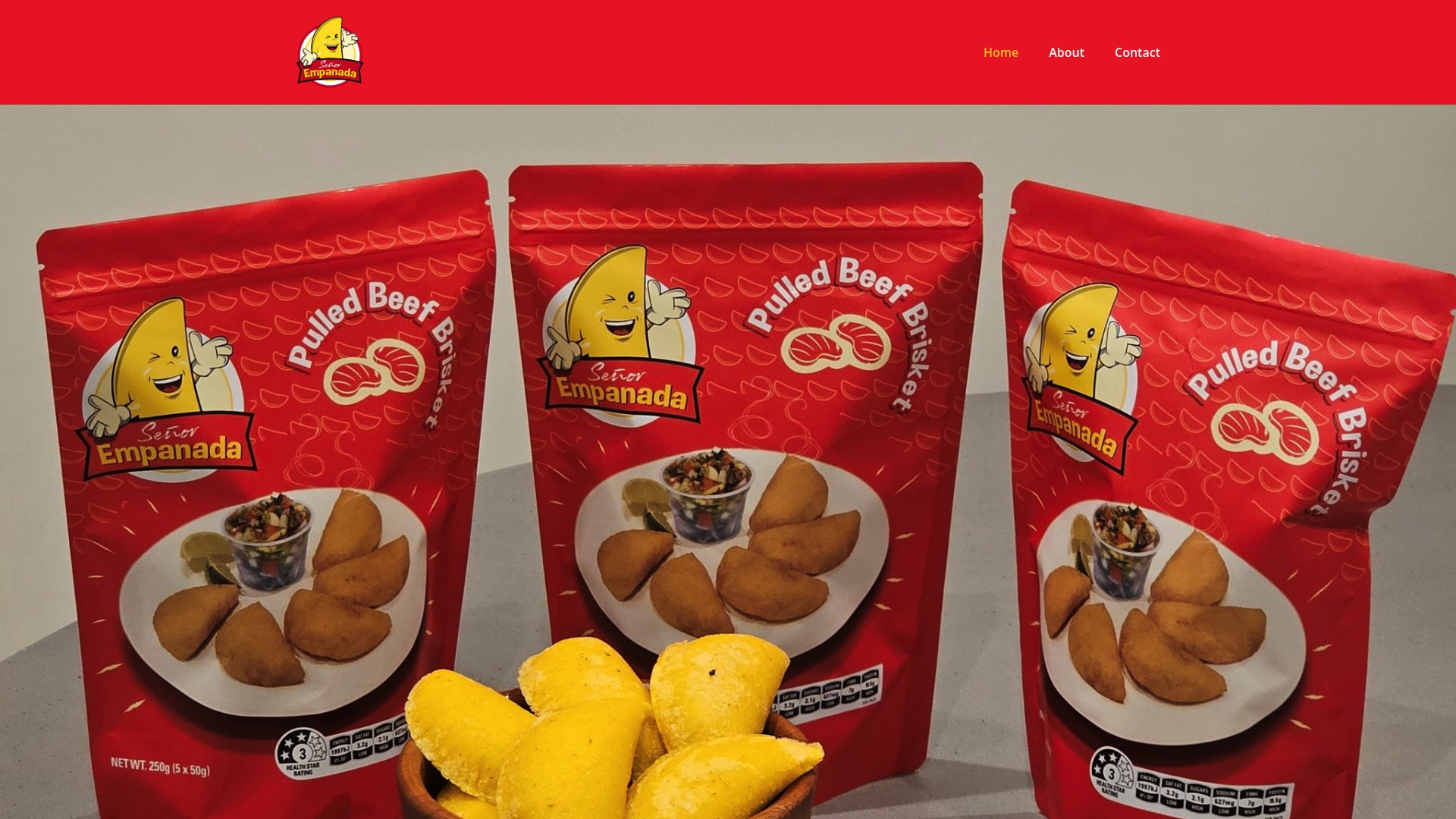
Our range includes the Traditional Beef Empanada and Cheesy Empanada, alongside arepas and authentic sauces, all available as single-serve, reheatable packs suited to catering formats. If breakfast is the occasion, our guide to empanadas for breakfast covers ordering, catering quantities, and wholesale options for retailers and event planners alike. Dietary labelling is handled clearly on request, and our finger-food versus canapés guide will help you settle on quantities before you place the order. Head to our site to check current offerings and get your networking breakfast sorted with one straightforward order.
Sources
For the full safety detail behind the guidance above, see FSANZ’s food safety factsheet and the Australian Dietary Guidelines. For step-by-step make-ahead recipes, Crayons and Cravings is a solid starting point.
- Food Standards Australia New Zealand — food safety factsheet (2-hour/4-hour rule)
- Australian Dietary Guidelines — Guideline 2 and related recommendations
- Crayons and Cravings — 21 breakfast finger foods (make-ahead examples)
FAQ
What are some good finger foods for breakfast?
Mini quiches, egg bites, empanadas, mini muffins, and fruit skewers all work well because they need no cutlery and hold their texture at room temperature. A mix of sweet and savoury, roughly 4 to 6 varieties, covers most tastes at a morning event.
What are good finger foods for a meeting?
For meetings, lean toward tidy, low-mess options like cheese and crispbread stacks, yoghurt pots, and savoury bites such as empanadas that won’t crumb across the boardroom table. Single-serve formats matter more here than at a casual event, since guests are often eating one-handed while taking notes.
What are some good breakfast snacks to bring to meetings?
Pre-portioned items travel best: granola pots, mini muffins, and reheatable savoury pastries like Señor Empanada’s range all survive transport without falling apart. Anything requiring last-minute plating is best avoided if you’re carrying food in yourself.
What are the top 10 finger foods for a networking breakfast?
There’s no single official top 10, but a strong shortlist includes mini quiches, empanadas, arepas, mini muffins, savoury sliders, fruit skewers, yoghurt pots, mini croissants, smoked salmon blinis, and falafel bites. That combination covers sweet, savoury, vegan, and gluten-free needs without overcomplicating the order.
How many pieces should I order per guest?
Plan on 4 to 5 pieces per guest for a short networking breakfast, scaling up toward 6 to 12 pieces per guest only for longer grazing-style events. Ordering across 4 to 6 varieties spreads that total evenly and reduces the risk of one tray emptying too fast.