
Serve substantial finger food, like empanadas, sliders or loaded skewers, and label every dish clearly for dietary needs. Plan on several pieces per guest depending on how close the event sits to a mealtime, and keep hot items at or above 60°C under Standard 3.2.2. Pre-baked trays can make this easy for venues without heavy kitchen setups.
TL;DR:
- Serving substantial finger foods like empanadas or sliders ensures guests stay satisfied during long or meal-time events, especially when they arrive hungry.
- Planning for 6 to 8 pieces per person for a two-hour event and adding a 10% buffer helps avoid under- or over-ordering in catering quantities.
- Clear allergen labeling with icons and offering multiple allergy-friendly options at the front of the table improves inclusivity and speeds decision-making.
- Maintaining hot food at or above 60°C with accurate temperature monitoring is essential for safety, with reheating and delivery timing critical for potential hazards.
- Using a mix of buffet and circulated trays, while keeping drinks and waste stations separate, supports smooth flow and effective mingling at networking events.
Table of Contents
- 1. Best food types for networking events
- 2. How much food to order and timing rules
- 3. Dietary requirements, labelling and inclusive menu planning
- 4. Food safety and handling at events
- 5. Serving logistics and etiquette for networking crowds
- 6. Sample menus and quick menu templates
- 7. Sourcing, ordering and on-the-day checklist for event planners
- 8. Pairing food with beverages typically served at networking events
- 9. Budgeting tips for food at networking events
- 10. Considerations for themed or branded food to enhance event identity
- 11. Publisher perspective: how we think about networking event catering
- 12. How Señor Empanada can support your networking event
- Sources
- FAQ
1. Best food types for networking events
The right format lets guests hold a drink, shake a hand and eat without juggling a knife and fork. That rules out anything that needs to be cut, dripped or chased with a fork across a crowded room.
Passed canapés work beautifully for the first 30 minutes of an event, when guests are still settling in and conversation is light. They look elegant and keep the room moving, but they are small, so they rarely satisfy on their own. Finger-food platters, think skewers, mini quiches and dumplings, sit well on standing tables and let guests graze at their own pace. Grazing tables have become a favourite for exactly this reason: they look generous, spread the cost per person across a wide visual display and encourage the kind of slow, social eating that suits a mingling crowd, as noted in catering quantity guidance from My Alter Ego.
Substantial small bites deserve particular attention for after-work events. An empanada, a slider or a loaded arepa gives guests a genuine mouthful rather than a taste, which matters when the event runs through what would otherwise be dinner. These formats also hold their structure, so they survive a bit of jostling without falling apart in someone’s hand, a real advantage over anything layered or sauced on an open plate. Our deeper dive into party finger food ideas breaks these categories down further for planners building a full menu.
When choosing formats, weigh these factors against your room and your crowd:
- Mess tolerance: a crumbly pastry near white shirts and name badges is a risk; a sealed empanada or a skewer is not.
- Utensil load: anything needing a fork and plate slows mingling and ties up a hand that could be shaking another.
- Scent and noise: strong-smelling dishes or anything that crunches loudly can be distracting in a quiet conversation pocket.
- Temperature stability: cold bites hold their quality far longer under room lighting than anything meant to be served hot.
For most networking functions, a mix wins out: a few passed canapés early, a grazing table or platter rotation through the middle, and substantial bites if the event runs past 6pm.
2. How much food to order and timing rules
Ordering the right quantity comes down to matching pieces per person to how close your event sits to a mealtime. Industry catering guidance sets out clear benchmarks:
- Pre-dinner drinks (under 90 minutes): 3 to 4 pieces per person is enough when guests have eaten beforehand.
- Light meal equivalent (2-hour event): plan for 6 to 8 pieces per person.
- Full meal equivalent (3+ hours or spans a mealtime): order about ten pieces per person.
- After-work slot (around 5pm to 7pm): treat it as a meal, not a cocktail hour, because guests arrive hungry straight from work.
- Buffer rule: add roughly 10% on top of your calculated total to cover uneven appetites and no-shows who still get counted in the headcount.
A networking event running 5:30pm to 7:30pm is a main-meal window, not a drinks window. Guests who haven’t eaten since lunch will eat like it’s dinner, so cocktail-style portioning under-delivers badly.
Say you’re planning for 40 guests at a 5:30pm to 7pm mixer. That sits in the after-work, meal-equivalent bracket, so you’d aim for several pieces per person: 320 pieces. Add a small buffer and you land at 352 pieces, which rounds cleanly to 360 if you’re ordering in trays of a dozen. Morning tea or afternoon tea events, by contrast, rarely need more than 3 to 4 pieces per person since they bracket an existing meal rather than replace one.

3. Dietary requirements, labelling and inclusive menu planning
Clear labelling does more than tick a compliance box, it removes the awkward moment where a guest has to ask a stranger what’s in the slider before they’ll touch it. The most common allergens to flag are eggs, dairy, gluten, tree nuts, peanuts, sesame and soy, alongside clear vegan, vegetarian and halal markers where relevant.
Place labels directly on tent cards next to each dish rather than relying on a single key at the end of the table. A short ingredient line, paired with a simple icon set, lets guests scan and decide in seconds rather than hunting down a staff member mid-conversation. As FSANZ guidance on event food safety practices notes, clear labelling and iconography reduce awkward allergen conversations at the buffet line and speed decisions during short networking windows, exactly when guests have the least patience to wait.
Build in a buffer of allergy-friendly options rather than a single token dish:
- Aim for at least one gluten-free, one dairy-free and one vegan item on any spread over 20 guests.
- Swap wheat-based pastry for a gluten-free empanada option so no guest is left with only a salad.
- Keep nut-based garnishes separate and serveable on request rather than mixed through a shared platter.
- Offer a vegetarian version of your heartiest item, not just your lightest one, so dietary guests still get something substantial.
Pro Tip: Put the allergen-friendly tray at the front of the table, not the back, so it never looks like an afterthought.
4. Food safety and handling at events
Potentially hazardous food at a networking event in Australia is governed by Standard 3.2.2, which requires hot food to be held at or above 60°C and cold food at or below 5°C unless you can demonstrate an alternative safe process. Temperature monitoring devices should be accurate to within ±1°C, a tight margin that rules out guesswork with a kitchen thermometer left in a drawer for a year; using specialized hospitality inventory software can help venues maintain these critical food safety standards.

Temporary event notification rules matter too. FSANZ guidance explains that fundraising stalls selling only non-potentially hazardous food, think packaged biscuits, may be exempt from some food handler training requirements. Potentially hazardous foods such as filled pastries, dips and anything containing meat or dairy are never exempt and require proper controls and trained handlers regardless of the event’s charitable intent.
On the day, a short set of checks protects both your guests and your reputation:
- Check delivery temperature the moment food arrives, before it goes anywhere near a buffet table.
- Confirm hot-holding equipment is actually reaching 60°C, not just switched on.
- Reheat only once and serve promptly rather than holding reheated food for extended periods.
- Sanitise serving surfaces and utensils between platter changes, especially after a busy rush.
- Brief at least one staff member on allergen questions and temperature logs for the event.
When a venue can’t hot-hold at 60°C, the safer path is to serve only non-potentially hazardous items, or to time a rapid reheat just before service rather than relying on prolonged holding. Our reheating checklist for event planners walks through exactly this scenario for venues without commercial kitchens.
5. Serving logistics and etiquette for networking crowds
A stationed buffet suits events where guests arrive over a longer window, since no one feels rushed to eat before the “good stuff” runs out. Passed service works better for tighter rooms or formal launches, where staff circulating with trays can steer food toward quiet corners and underused conversation pockets. Plated service almost never suits networking, it forces guests to sit, which kills the very mingling the event exists for.
Layout decisions matter as much as the menu itself:
- Keep drink stations away from food stations so queues don’t merge into one congested bottleneck.
- Place rubbish and used-plate stations near exits, not near the buffet, to stop a build-up where people are trying to serve themselves.
- Create seating pockets at the room’s edges for guests who need a break from standing, without pulling the whole crowd away from the action.
Staff can smooth over the small awkward moments with simple, practised lines. Offering food is easiest with something specific: “Would you like to try the beef empanada, it’s one of the favourites tonight?” rather than a generic “Food?” Declining is just as simple when staff model it themselves: “No thanks, I’m right for now” works far better than an apologetic over-explanation. When a guest asks about allergens, the cleanest approach is a quiet gesture toward the labelled table rather than a loud public rundown.
6. Sample menus and quick menu templates
Three templates cover most networking formats, each built around 6 to 8 items with hot-holding and allergen notes built in.
Cocktail mixer (90 minutes, light appetites): mini vegetable frittatas (vegetarian), smoked salmon blinis, prosciutto-wrapped melon, chicken satay skewers (contains nuts), spring rolls (vegan), and a cheese and fruit grazing board. Keep hot items on a single warming tray near the kitchen entry for easy replenishment.
After-work substantial mix (5pm to 7pm, meal-equivalent): traditional beef empanadas, cheesy empanadas (vegetarian), sliders, loaded arepas, a gluten-free empanada option, chicken skewers, and a dip platter with crackers. This is the bracket where heartier bites earn their place, since guests are effectively eating dinner standing up.
Seated networking dinner (3+ hours, shared plates): a grazing table main course, empanada trio platters for the table to share, roasted vegetable arepas, a sauce flight (think aji amarillo and guasacaca), a green salad, and a simple dessert platter to close the table.
- Scale any template up by adding a second protein option rather than doubling every dish.
- Pair heavier items with lighter sauces, and keep at least one dip or sauce vegan-friendly.
- Replenish platters before they look depleted, a half-empty tray reads as “forgotten,” not “popular.”
Our catering menu ideas page has further combinations if you’re building a menu from scratch rather than adapting a template.
7. Sourcing, ordering and on-the-day checklist for event planners
A short checklist prevents most of the common failures at networking events:
- Confirm final guest numbers no more than 48 hours before the event.
- Lock in delivery time that allows for setup before guests arrive.
- Agree on a reheating plan with the venue or caterer in writing.
- Prepare allergen labels before the food arrives, not on the day.
- Pack sufficient napkins and small plates, roughly 1.5 per guest for finger food events.
- Arrange a waste plan with the venue for bins and recycling.
- Name a single contact person responsible for food questions on the day.
When briefing a caterer, ask directly about hot-holding capacity, whether they keep temperature logs, how food is packaged for transport, and how they handle allergy requests. Pre-baked or chilled, delivery-ready options make sense whenever a venue lacks commercial hot-holding equipment, since they shift the reheating step to a simple, controlled process rather than a live cooking job on site.
8. Pairing food with beverages typically served at networking events
Wine and canapés remain the classic pairing for formal networking functions, but the food should lead the pairing, not the other way around. A rich, meaty empanada filling sits well against a light red or a dry white, while a cheesy empanada pairs naturally with something crisp enough to cut through the richness, a sauvignon blanc or a pale ale both work.

Non-alcoholic options deserve the same care. Sparkling water with citrus, a non-alcoholic spritz or a herbal iced tea all pair comfortably with savoury pastry without competing for attention, and offering them visibly, not just on request, signals that non-drinkers are catered for rather than an afterthought.
Spiced or chilli-forward fillings, common in Latin American recipes, benefit from a cooling counterpoint. A yoghurt-based dip or a citrus-forward sauce balances heat without dulling the flavour, and this is where a sauce flight earns its place on a grazing table rather than sitting as a single bottle of hot sauce at the end. For coffee-focused morning networking events, pastries and empanadas both hold up well next to a strong brew, since the pastry’s structure doesn’t collapse the way a cream-filled option would.
The goal with any pairing is balance: nothing on the drinks table should fight the food for the guest’s attention, and nothing on the food table should need a specific drink to make sense.
9. Budgeting tips for food at networking events
The biggest budget lever is format, not ingredients. A stationed grazing table typically stretches further per dollar than a fully passed canapé service, because it reduces staffing needs and lets you control exactly how much goes out per refill. Passed service looks polished but costs more in both food and labour, since trays need constant restocking and more staff to circulate them.
Ordering to the piece-per-person guidance in section 2 protects the budget from both directions: under-ordering means a last-minute emergency order at a premium, while over-ordering wastes money on food that gets thrown out.
Substantial small bites like empanadas also help the budget stretch, since one item satisfies the role that two or three smaller canapés would otherwise need to fill. Fewer line items on the order means fewer minimums to hit with a caterer, and fewer different dishes to label, stock and replenish on the day.
If the budget is tight, prioritise variety over volume: three well-labelled dishes done properly beat six thin options that all run out at the same time and leave a gap in the middle of the event.
10. Considerations for themed or branded food to enhance event identity
A themed menu can reinforce what an event stands for without tipping into gimmick territory, as long as the theme serves the food rather than the other way around. A Latin American spread, for instance, naturally supports a networking event built around hospitality or cultural exchange, since the dishes carry genuine story and flavour rather than just a colour scheme stuck onto generic catering.
Branded touches work best when they’re functional rather than decorative. A small flag or label naming each empanada filling does double duty: it satisfies the labelling requirements covered earlier and gives guests a conversation starter, which is, after all, the entire point of the event. Overly elaborate theming, like matching napkins to a logo colour with no connection to the food itself, tends to read as try-hard rather than considered.
The safest rule for themed food at a professional event is restraint: let one or two dishes carry the theme clearly, and keep the rest of the menu straightforward enough that dietary swaps and labelling don’t become more complicated than they need to be.
11. Publisher perspective: how we think about networking event catering
Empanada trays built for networking events typically address short service windows, mixed dietary needs and venues without commercial kitchens. Portions may be sized for one or two bites, fillings labelled clearly, and designed to reheat without drying out. Gluten-free options may be offered alongside traditional beef and cheesy fillings.
— Senor Empanada
12. How Señor Empanada can support your networking event
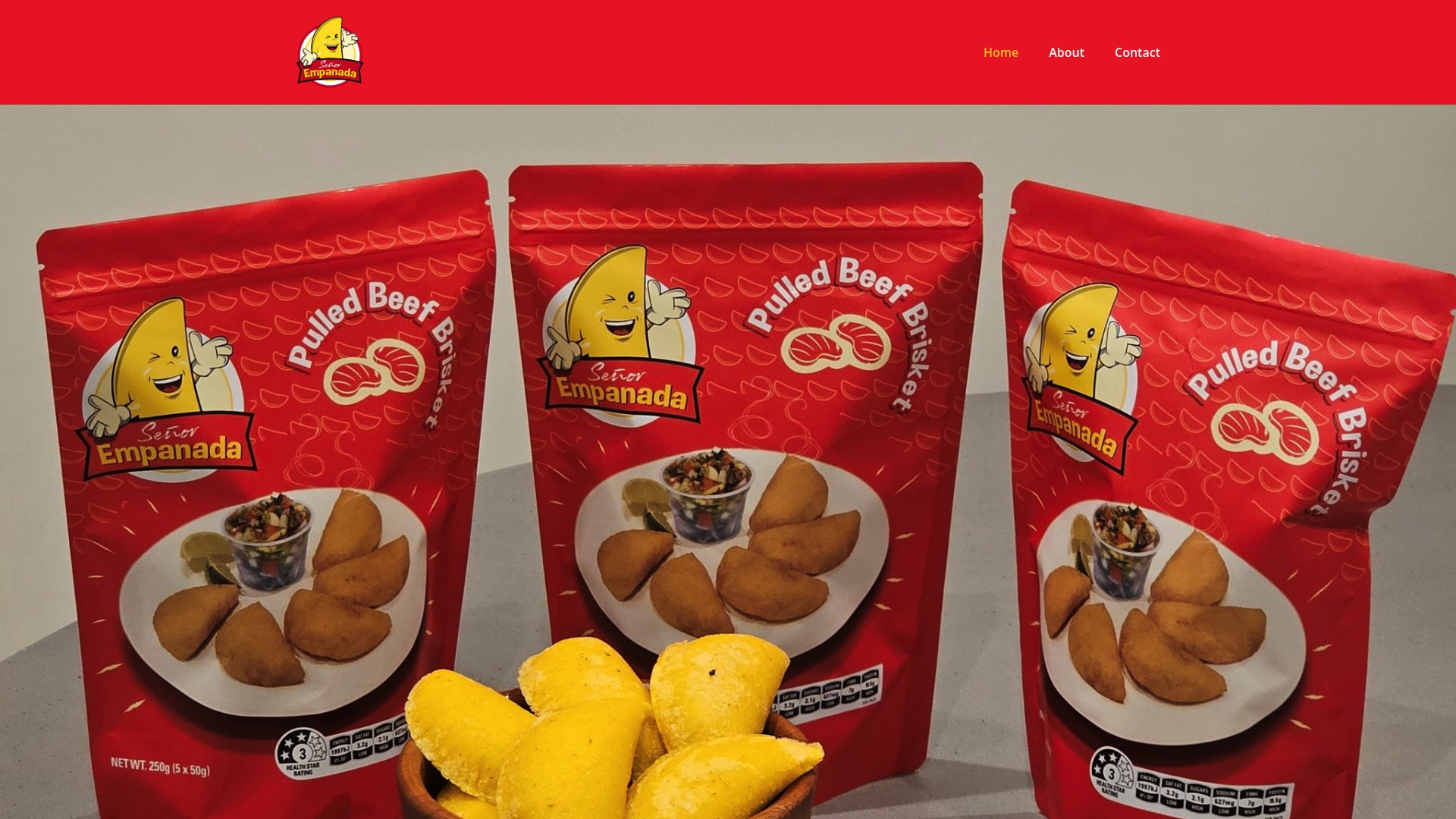
Booking catering for a networking event shouldn’t mean juggling a dozen suppliers for dips, mains and dietary swaps. Some suppliers offer empanada trays and sauces built specifically for events like this, with gluten-free and vegetarian options alongside traditional beef and cheesy fillings.
- Order trays sized to your headcount using the pieces-per-person guidance above.
- Request reheating instructions with your order so venues without hot-holding equipment can still serve safely.
- Pair empanadas with a sauce range, like aji amarillo and guasacaca, for a complete spread.
Browse the full range of empanadas and sauces to start planning your menu, or check our catering menu ideas for inspiration on building out a full spread.
Sources
- Food Standards Australia New Zealand — Standard 3.2.2 (legislation)
- STANDARD 3.2.2 food safety practices and general requirements (FSANZ guidance)
- Catering quantities 101: how much food do you actually need? (My Alter Ego)
FAQ
What are some good ideas for a networking event?
Substantial finger food that’s easy to eat one-handed works best, think empanadas, sliders or loaded skewers rather than anything needing a knife and fork. Mixing a few passed canapés early with a grazing table through the middle of the event keeps guests moving and comfortable.
What are some good food ideas for corporate events?
Corporate events benefit from a mix of hot and cold items that hold up under lighting and handling, such as empanadas, mini quiches and grazing boards with dips. Clear dietary labelling matters more at corporate events than casual ones, since guest lists are often large and varied.
What is a networking dinner?
A networking dinner is a seated or semi-seated event where food serves as the backdrop to structured introductions and conversation, usually over a longer timeframe than a standing mixer. Menus for these events tend toward shared plates and platters that encourage table-wide conversation rather than individual servings.
What should I bring to a networking event?
As a guest, bring business cards and an appetite, since many networking events run through a mealtime and serve substantial food rather than token snacks. If you have dietary requirements, it’s worth checking the event’s menu or labelling in advance where that information is available.