
Pebre is a Chilean table sauce of chopped cilantro, onion, chilli, oil and vinegar, with tomato as an optional addition. It’s a loose, pourable condiment that lands on nearly every Chilean table, spooned over warm bread, empanadas and grilled meats. This guide walks through the authentic method, the regional variations and the small techniques, like onion de-sharpening and a proper rest, that separate a good pebre from a forgettable one.
TL;DR:
- Traditional pebre relies on fresh cilantro, onion, garlic, green chili, oil, and vinegar, with tomatoes optional, and ratios should focus on balancing acidity, oil, and spice.
- Hand-chopping ingredients and resting the sauce for at least 30 minutes are key to preserving freshness and achieving proper flavor integration.
- Variations like chancho en piedra include more tomato and garlic with a blended texture, while adding smoked merkén introduces a smoky depth.
- Pebre pairs well with bread, grilled meats, empanadas, and can be used as a quick marinade or dressing, served at room temperature for optimal flavor.
- Store non-tomato pebre in the fridge for several days; tomato versions should be eaten within a day or two to prevent liquidity, and freezing is not recommended.
Table of Contents
- Ingredients you need and where to find substitutes
- How to make pebre: chopping, resting and finishing
- Chancho en piedra, tomato, and other regional twists
- How to serve pebre at the table
- Storing pebre and prepping it ahead of time
- Chef notes on texture, smoke and pairing
- Where pebre comes from and why it endures
- Bring pebre’s flavours home with ready-made empanadas and sauces
- Where to read more about pebre and Chilean condiments
- Sources
- FAQ
Ingredients you need and where to find substitutes
A true pebre starts simple: fresh cilantro, finely diced onion, garlic, a spicy green chilli, olive or neutral oil and red wine vinegar. Wikipedia lists these five elements as the foundational components of pebre, with tomato appearing in many modern versions while traditionalists often leave it out for a sharper, longer-lasting sauce. The ratios matter less than balance: enough acid to brighten, enough oil to bind, and just enough chilli to make the dish sing rather than shout.
Chile’s traditional ají chilli can be hard to track down outside South America, but the flavour translates well with a few swaps.
- Use jalapeño or long green chilli in place of ají for similar heat and freshness.
- Swap merkén for smoked paprika mixed with toasted ground coriander when the Mapuche spice isn’t on hand.
- Choose a small, sweet onion variety over large brown onions for a milder base.
- Pick a neutral oil like light olive or grapeseed so it doesn’t compete with the herbs.
Fresh cilantro is non-negotiable here: wilted bunches turn the whole sauce dull, so buy it the day you plan to chop it.
How to make pebre: chopping, resting and finishing
Getting pebre right is less about a fixed recipe and more about technique. Start by removing the thick cilantro stems and reserving the tender ones, then work through the method below.
- Finely dice the onion, then de-sharpen it by pouring boiling water over the pieces for 30 to 60 seconds before plunging them into iced water, a technique KibitzSpot recommends to strip harsh sulphur notes while keeping crunch.
- Mince the garlic and finely chop the chilli, adjusting quantity to taste.
- Hand-chop the cilantro rather than pulsing it in a blender, since Honest Cooking notes that hand-chopping preserves texture and freshness in a way pureeing simply can’t.
- Combine everything in a bowl, then add oil and vinegar until the mixture turns loose and pourable, with a splash of cold water if it still clumps.
- Season with salt, cover and rest the sauce for 30 to 60 minutes before serving, which Honest Cooking’s guide to pebre’s rest time describes as essential for letting the acid and oil marry the raw vegetables.
Test the finished sauce with a spoon: TasteAtlas notes that pebre should drip steadily rather than mound, and if it clumps, loosen it gradually with oil or water instead of reaching for the blender, which flattens the fresh, distinct textures that define this sauce.
Pro Tip: Make pebre no more than a day ahead and keep it refrigerated in a sealed container; the cold slows the onion and garlic from turning sharp again.
Because pebre contains raw onion and garlic in oil, keep it chilled until serving and avoid leaving it at room temperature for more than a couple of hours, particularly in warm weather.
Chancho en piedra, tomato, and other regional twists
Pebre isn’t a single fixed recipe. It’s a family of table sauces that shift by region, household and occasion, and understanding the variations helps you choose or adapt a version that suits your table.
- Chancho en piedra is a thicker, pounded relation of pebre, traditionally made with a mortar and carrying more tomato and garlic, as Wikipedia notes in describing its distinct, blended consistency.
- Adding tomato produces a milder, juicier sauce with a shorter fridge life, while leaving it out gives a sharper flavour that keeps longer.
- Merkén, a smoked ground chilli with toasted coriander, brings smoky depth that fresh chillies alone can’t replicate, according to a breakdown of the Mapuche spice.
- Reach for a food processor only when you want a smoother, chancho en piedra style texture; for classic pebre, the knife stays the better tool.
Home cooks in Chile rarely follow one fixed formula, so treat these variations as starting points rather than rules.
How to serve pebre at the table
Pebre earns its place as a fixture on Chilean tables because it works with almost anything warm, starchy or grilled. Chile Travel notes that it’s traditionally set out alongside bread and street foods like sopaipillas, letting each diner control their own heat and acidity.
- Serve with pan amasado or crusty bread for simple, satisfying dipping.
- Spoon over empanadas, choripán or grilled meats to cut through richness.
- Stir into stews just before eating for a fresh, sharp contrast.
- Try it beyond tradition: over fried eggs, baked potatoes, or thinned with extra oil as a quick marinade or dressing.
Serve pebre at room temperature rather than fridge-cold, since chilling mutes the cilantro and dulls the chilli’s bite. A small bowl per two or three diners is usually plenty, since it’s meant to season rather than dominate the plate.
Storing pebre and prepping it ahead of time
Pebre made without tomato keeps in the fridge for several days, while tomato versions turn watery and lose their edge faster, so eat those within a day or two. Watch for a sour smell or excessive liquid pooling on top as signs it’s past its best. Freezing isn’t recommended, since the fresh herbs and raw onion turn mushy on thawing. For the best flavour, make pebre the night before serving, though a minimum rest of 30 to 60 minutes still gets you a properly integrated sauce, as noted earlier.

Chef notes on texture, smoke and pairing
We always come back to the knife for pebre. Hand-chopping keeps every ingredient distinct on the tongue, while a blender turns the sauce into something closer to a puree, which has its place in chancho en piedra but not in a classic pebre. When we layer merkén into a batch, we go light at first: its smoke can easily overpower a delicate filling like our Cheesy Empanada, whereas it sits beautifully alongside heartier beef fillings. If you want a broader match-up between sauces and fillings, our sauce and filling pairing guide walks through what works with what.

Pro Tip: Taste your pebre after the rest period, not before. The flavour changes more in that first half hour than most home cooks expect.
Where pebre comes from and why it endures
The word “pebre” likely traces back to the Catalan word for pepper, brought to colonial Santiago by Catalan workers, according to Wikipedia’s history of the condiment. What started as a borrowed word became a genuinely Chilean fixture, appearing on home tables and street stalls alike in dozens of personal variations.
What strikes us most is pebre’s role as a quiet act of hospitality: it hands control back to the diner. Nobody tells you how much heat or acid your plate needs, you decide, spoonful by spoonful. That’s a small but telling difference from sauces designed to be uniform, and it’s worth remembering the next time someone insists there’s only one “correct” pebre.
— Senor Empanada
Bring pebre’s flavours home with ready-made empanadas and sauces
Making pebre from scratch is rewarding, but some nights call for something ready to go. They make empanadas and sauces from traditional recipes and ingredients, so you get an authentic flavour without the chopping board.
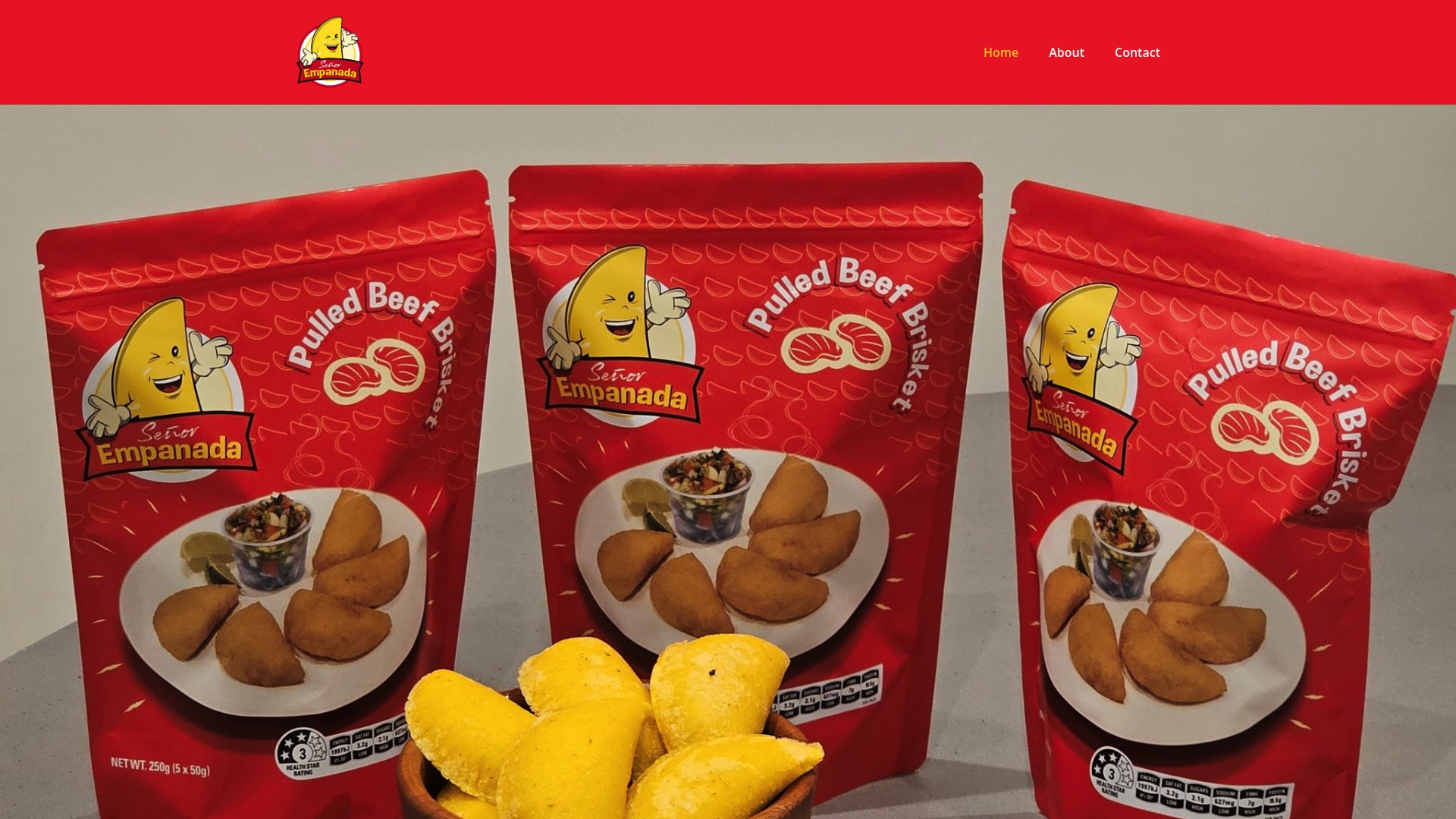
- Pair a traditional beef empanada with a pebre-style sauce for a classic, no-fuss combination.
- Try a cheesy empanada alongside a milder sauce so the smoke and heat don’t overpower the filling.
- Browse our sauce and empanada pairing guide for more combinations drawn from our own kitchen.
Head to Empanadas to order empanadas and sauces made the traditional way, delivered ready for your table.
Where to read more about pebre and Chilean condiments
For a deeper dive into pebre’s origins and chancho en piedra, see Wikipedia’s entry. For a look at how pebre compares with other fresh sauces, the Kids Kiddle summary covers the basics, and Wild Foodz has ideas for light, texture-forward sauces if you want to experiment further.
Sources
- Pebre — Wikipedia
- What Is Pebre? Chile’s essential table sauce + recipe — Honest Cooking
- Easy Chilean Pebre Recipe: Ultimate Salsa Recipe from Chile — KibitzSpot
- Pebre — TasteAtlas
- Merkén — Eccentric Culinary
FAQ
What is pebre made of?
Pebre is made from chopped cilantro, onion, garlic, a spicy green chilli, oil and red wine vinegar, with tomato as an optional addition. Traditional versions without tomato tend to be sharper and last longer in the fridge, while tomato versions are milder and juicier, according to Wikipedia.
How do I make Chilean pebre sauce?
Finely chop the onion, garlic, chilli and cilantro, then combine them with oil and vinegar until the mixture becomes loose and pourable. Rest the sauce for at least half an hour before serving so the flavours can properly combine, a step Honest Cooking considers essential to a good pebre.
What is pebre in Spanish?
Pebre is the Spanish name for this Chilean table sauce, and the word itself likely comes from the Catalan word for pepper. It refers to the same chopped condiment of cilantro, onion, chilli, oil and vinegar used across Chilean households, as Wikipedia explains.
What is the difference between pebre and pico de gallo?
Pebre is a pourable sauce built on oil and vinegar with cilantro as the dominant flavour, while pico de gallo is a fresh-diced salsa served without any oil. The two share some ingredients but differ in texture and purpose, as outlined in a summary comparing Latin American condiments.
Is pebre the same as chimichurri?
No, chimichurri centres on parsley and dried oregano and carries a more herbal, warmer profile than pebre’s fresh cilantro base. For a closer look at how the two differ in ingredients and texture, see our guide to chimichurri.