
The best way to reheat arepas is on a hot griddle or skillet for 3 to 5 minutes per side, or wrapped in foil in a 175–180°C oven if you’re warming a batch. Short on time? Microwave for 30 to 60 seconds, then finish in a hot pan for a minute or two to bring back the crust. Frozen arepas need longer in every method than fridge-cold ones.
TL;DR:
- Reheating frozen arepas requires longer times in all methods, with up to 25 minutes in the oven and 6 minutes in the air fryer.
- The best texture is achieved by finishing reheats with a quick pan or griddle sear to restore crispness and moisture.
- Avoid reheating the same arepa twice, as it dries out each time, and never seal warm leftovers in airtight containers to prevent sogginess.
- For quick reheating, microwave followed by pan finishing offers the fastest method but may result in a rubbery crust without the final crisp.
- Stored properly, refrigerated arepas last 3 to 4 days, while frozen ones can maintain quality for 2 to 3 months with proper wrapping and thawing.
Table of Contents
- How to reheat arepas: oven, stovetop, air fryer and microwave
- How long can you store arepas in the fridge or freezer?
- How do you reheat filled arepas without soggy fillings?
- Fixing soggy, dry or rubbery arepas
- What you need on hand for fast reheating
- Why these methods work in real kitchens
- Prefer arepas ready to eat?
- Sources
- FAQ
How to reheat arepas: oven, stovetop, air fryer and microwave
Every method gets you to “warm” eventually, but the road there decides whether your arepa tastes freshly griddled or like sad, damp cornbread. Here’s how each one plays out.
- Oven: Preheat to 175–180°C. Wrap refrigerated arepas in foil and bake for 10 to 15 minutes; frozen ones need 20 to 25 minutes since they’re starting from a much colder base. Open the foil for the final few minutes if you want a crisp crust rather than a soft one.
- Stovetop or griddle: This is the method that best mimics the original cooking process. Medium heat, a light film of oil or butter, and 3 to 5 minutes per side until the outside turns golden and the inside is properly warmed through.
- Air fryer: Set to 170–180°C for 3 to 6 minutes in a single layer. Air fryers crisp fast with barely any oil, but check at the halfway mark. Small arepas brown quicker than you’d expect.
- Toaster or toaster oven: Best for thin arepas or small batches. Run 5 to 8 minutes at 175–180°C. If your arepa is too thin to split for filling, some cooks toast two together, sandwich-style.
- Microwave: Wrap in a damp paper towel and heat in 30 to 60 second bursts. It’s the fastest option by far, but the texture turns rubbery unless you follow up with a minute in a hot pan.
Each method trades speed for texture in a slightly different way. Microwave wins on time; a griddle wins on the crisp-outside, soft-inside result most home cooks are actually chasing.
Pro Tip: If you’re reheating for a crowd, do the microwave step first to bring everything up to temperature quickly, then finish each arepa on the griddle in batches. You get speed and crust.
How long can you store arepas in the fridge or freezer?
Cool cooked arepas fully before sealing them. Warm arepas trap steam in a container, and that steam becomes the soggy patch you’re trying to avoid. Once cooled, refrigerate in an airtight container for up to 3 to 4 days.
Freezing extends that window considerably. Wrap each arepa individually and pack them into a freezer bag, separated by parchment or wax paper so they don’t fuse together. Frozen arepas hold their quality for 2 to 3 months.

For best texture, thaw in the fridge overnight before reheating. If you’re pressed for time, a quick defrost in the microwave followed by a pan finish gets you most of the way there, just with slightly less structural integrity in the crust. Readers keen to make a batch ahead of a busy week might also like our guide to arepas for breakfast, which leans on the same make-ahead logic.
How do you reheat filled arepas without soggy fillings?
Filled arepas need a bit more thought than plain ones, because the filling and the corn cake heat at different rates.
- If the filling is wet or heavy on sauce, such as shredded meat in gravy, pull it out and reheat it separately in a pan, then reassemble.
- For an even reheat, wrap the filled arepa loosely in foil and warm it at the lower end of the oven range, 175°C, so the centre catches up without the outside overcooking.
- Cheese-filled arepas do best with a final minute in a dry pan, uncovered, to melt the filling and crisp the exterior at the same time.
- If there’s meat inside, check that it’s steaming hot in the centre before serving, not just warm at the edges.
Fixing soggy, dry or rubbery arepas
Soggy arepas usually mean too much trapped moisture. Fix it by baking briefly on a wire rack, or pan-searing both sides on dry heat until the crust firms back up.

Rubbery arepas are a microwave problem nine times out of ten. A minute or two in a dry, hot pan evaporates the excess moisture; let it rest for thirty seconds off the heat before you bite in.
One rule matters more than any technique: don’t reheat the same arepa twice. Each cycle dries it out further. And never seal a warm arepa straight into an airtight container. The condensation that forms is exactly what makes tomorrow’s leftovers soggy.
What you need on hand for fast reheating
Keep this short list near the stove and you’ll never be caught out:
- A non-stick pan or, better, a cast-iron griddle
- An oven or toaster oven that holds a steady 175–180°C
- A wire rack for crisping without steaming
- Foil, plus a splash of oil or butter
- A damp paper towel for the microwave shortcut
The one-minute decision: fridge-cold or frozen? Frozen needs a longer stint in whichever method you choose. Then ask if you want crisp or soft. Crisp means griddle or air fryer; soft and even means foil in the oven. Short on time beats every other consideration, so that’s when the microwave-plus-pan combo earns its place.
Why these methods work in real kitchens
We’ve reheated more arepas than we can count, straight from testing batches for catering runs to fixing our own fridge leftovers at home. What holds up every time is the pan finish. Whatever method starts the job, a minute or two on a hot, dry surface at the end is what brings the crust back.
For anyone making a batch from scratch, our guide on how to make arepas covers the same shaping and cooking basics, and the same logic applies if you’re reheating empanadas rather than arepas.
Pro Tip: Never skip the pan step, even after the oven or microwave. It’s the difference between “reheated” and “just made”.
— Senor Empanada
Prefer arepas ready to eat?
Ready-made arepas are an alternative to standing over a hot griddle when you’d rather spend that time with your guests. Order ready-made arepas and platters that arrive prepared, so the only reheating decision left is which method gets them to the table fastest.
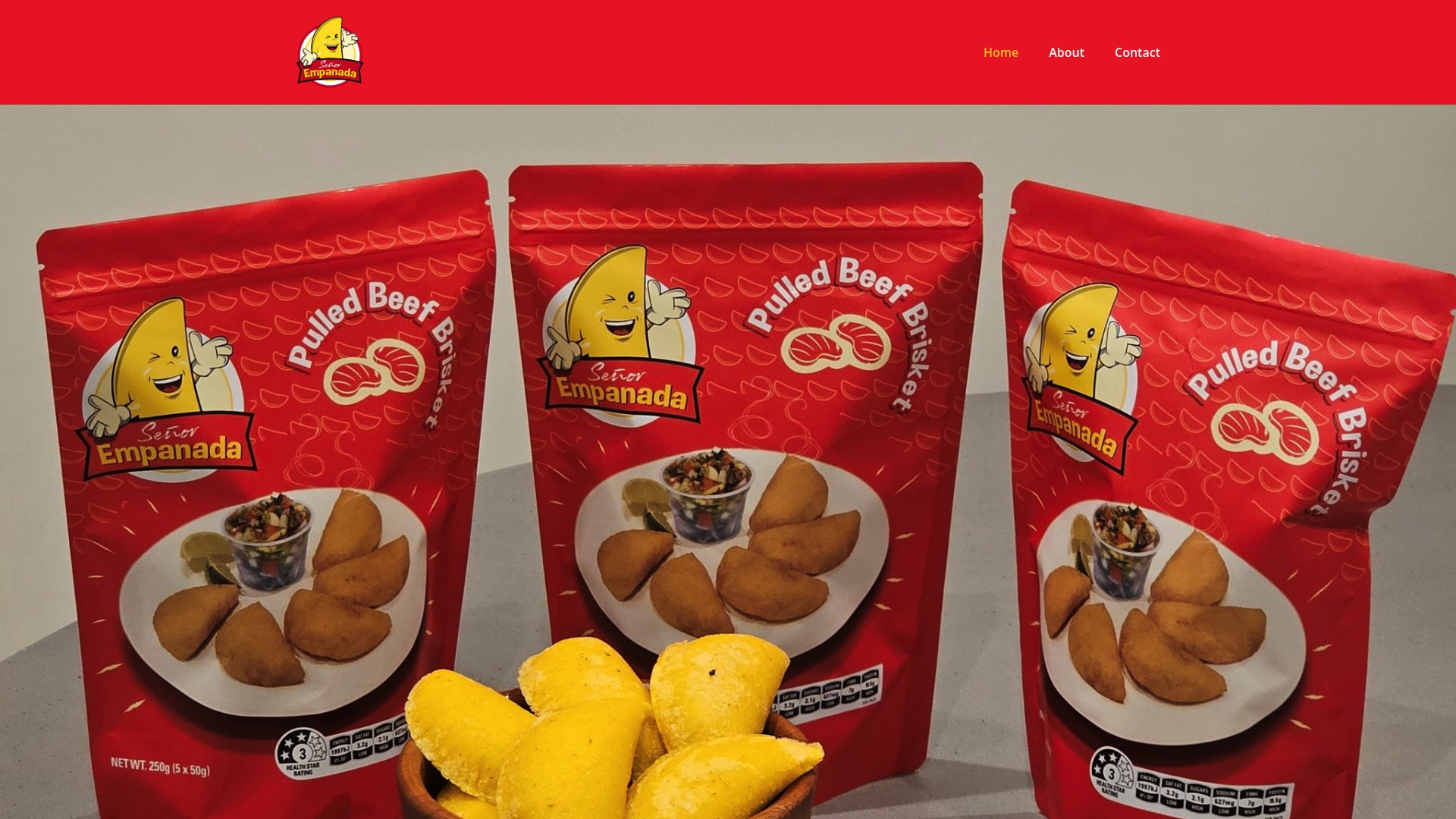
For gatherings, our kids party snacks range covers Latin flavours that suit a crowd without any last-minute kitchen scramble, and it pairs well with a wider spread from our Latin appetisers selection if you’re feeding more than a few mouths. Whether it’s a weeknight dinner or a birthday party, browse the range and place an order before your next gathering sneaks up on you.
Sources
- Best homemade arepas recipe (The Kitchn)
- Venezuelan stuffed corn cakes (America’s Test Kitchen)
- How to reheat arepas (Readvii)
- Can you freeze arepas? (AnnaTastes)
FAQ
Should arepas be refrigerated?
Yes. Cool cooked arepas fully, then store them in an airtight container in the fridge for up to 3 to 4 days.
How do you cook premade arepas?
Warm them on a hot griddle for 3 to 5 minutes per side, or wrap in foil and bake at 175–180°C until heated through, opening the foil at the end for a crisper crust.
Can you microwave an arepa?
Yes, wrap it in a damp paper towel and heat in 30 to 60 second bursts, then finish with a minute in a hot pan to fix the rubbery texture microwaving can cause.
Can I make arepas in advance?
Yes. Shape them up to 4 hours ahead of cooking, or cook a full batch and refrigerate or freeze it. Frozen arepas need extra time when reheating, generally 20 to 25 minutes in the oven versus 10 to 15 minutes for fridge-cold ones.