
Guasacaca with avocado is your all-rounder, thin herb guasacaca works best drizzled over fried snacks, garlic-cilantro cream suits stuffed arepas, chimichurri brightens grilled fillings, and hogao brings a warm, savoury finish to cheese and beef. All five come together with pantry staples in under fifteen minutes. Some Latin American food businesses build their own sauces on these same traditional foundations.
TL;DR:
- Guasacaca with avocado is best for moist fillings like shredded chicken or black beans, while the sin aguacate version suits fried snacks and crispy arepas.
- Garlic-cilantro creamy sauce works well for dry or mild fillings, and hogao complements cheese and slow-braised beef arepas with its rich, cooked depth.
- Most sauces keep for four to five days in the fridge, and adjusting salt, acid, and fat ensures proper balance and texture.
- A combination of a creamy sauce and a thin, vinegar-forward sauce covers most arepa filling needs effectively.
- Ready-made Venezuelan sauces are available from Senor Empanada for quick pairing without making sauces from scratch.
Table of Contents
- What are the best sauces for arepas?
- Guasacaca (with avocado): recipe, texture and shortcuts
- Two thinner variations for lighter or creamier needs
- Hogao: the cooked sauce worth the extra ten minutes
- Which sauce suits which arepa filling?
- Pantry staples and Australian substitutions
- Getting the balance and storage right
- Why Senor Empanada recommends these sauces
- Why the “one sauce fits all” advice misses the point
- Bring these flavours home without the blender clean-up
- Sources
- FAQ
What are the best sauces for arepas?
Choosing sauces for arepas comes down to matching texture and heat to what’s already inside the corn cake. A creamy avocado sauce softens a dry or spiced filling, a thin vinegar-forward sauce cuts through anything fried or fatty, and a cooked sauce adds warmth to cheese or slow-braised beef. Here are the five that earn a permanent spot in a Venezuelan-inspired kitchen.
- Guasacaca (with avocado): Creamy, tangy, and herb-flecked, this is the Venezuelan avocado condiment most people mean when they ask about arepa sauce. It’s thinner and sharper than Mexican guacamole thanks to vinegar and a cilantro-parsley blend, and it takes about ten minutes in a blender. Best on shredded chicken, black beans, or plain cheese arepas.
- Guasacaca sin aguacate: A pourable, acidic herb sauce built from oil, water, garlic, and vinegar rather than avocado. It has almost no fat to slow it down, so it’s the sauce of choice for fried snacks like tequeños, and it happens to be entirely vegan.
- Garlic-cilantro creamy sauce: A mayo or yoghurt base loaded with garlic and fresh coriander. Thicker and milder than guasacaca, it clings to stuffed arepas without sliding off, and a yoghurt swap keeps it lighter.
- Chimichurri or aji-style sauce: Bright, punchy, and built for grilled or fatty fillings. Vinegar and chilli do the heavy lifting here, cutting through richer meats like carne mechada.
- Hogao: A slow-simmered tomato and scallion sauce with a mellow, savoury depth. Unlike the raw sauces above, it needs the stovetop, and it rewards you with the best partner for cheese and slow-cooked beef arepas.
Most of these keep well for four to five days refrigerated, which means one Sunday batch cook covers a full week of arepa nights.
Guasacaca (with avocado): recipe, texture and shortcuts
Guasacaca is the sauce that defines Venezuelan arepas, and getting the texture right separates a good batch from a great one. It should pour off a spoon in a slow ribbon, not sit like guacamole and not run like water.
Ingredients:
- 2 ripe avocados
- 1 small onion, roughly chopped
- 1 green or red capsicum, seeded and chopped
- 2 garlic cloves
- A large handful each of fresh coriander and parsley
- 3 tablespoons white vinegar (or lime juice)
- ⅓ cup olive oil
- Salt and a pinch of chilli flakes, to taste
Method:
- Add avocado, onion, capsicum, garlic, coriander, and parsley to a blender or food processor.
- Pour in the vinegar and pulse a few times to break everything down.
- With the motor running, stream in the olive oil slowly until the sauce turns glossy and smooth.
- Season with salt and chilli flakes, then taste and adjust the acid before serving.
Using both parsley and coriander stops either herb from overpowering the sauce, and the capsicum adds a cooling sweetness that balances any chilli heat, a trick borrowed from tested guasacaca methods at Serious Eats. Streaming the oil in slowly rather than dumping it all at once is what keeps the sauce from turning greasy or flat.
Pro Tip: Add the vinegar or lime juice right at the end and taste before you stop blending. The acid does double duty here, sharpening the flavour and slowing the browning that avocado sauces are famous for.

Guasacaca keeps around four days in an airtight container in the fridge. Freezing isn’t recommended. The avocado separates and turns watery on thawing, so make it fresh or make it small.
Two thinner variations for lighter or creamier needs
Not every arepa wants a thick avocado sauce sitting on top, and Venezuelan cooking has answers for both directions.
- Guasacaca sin aguacate swaps avocado for an oil and water emulsion, which keeps the sauce genuinely pourable rather than spoonable. Whisk together white vinegar, olive oil, a splash of water, minced garlic, and finely chopped coriander and parsley, then season with salt. The result is a thin, acidic herb sauce that won’t weigh down a fried tequeño or a crisp arepa exterior, and because there’s no dairy or avocado involved, it’s naturally vegan.
- Garlic-cilantro creamy sauce goes the opposite way. Blend mayonnaise or plain yoghurt with garlic, coriander, a squeeze of lime, and a touch of salt. It’s thicker, milder, and holds its shape inside a stuffed arepa rather than pooling underneath it.
The rule of thumb is texture matching the job: a thin, vinegar-forward sauce works better as a dip or drizzle for fried snacks, while the creamy avocado or garlic version does better spread inside a stuffed arepa. Pick sin aguacate for anything crisp or fried, and reach for the creamy garlic version when the filling itself is dry, like shredded chicken or refried beans.
Hogao: the cooked sauce worth the extra ten minutes
Hogao isn’t Venezuelan by origin. It’s a Colombian creole sauce, but it has earned a permanent place on arepa tables across the region because its slow-cooked depth does something raw sauces can’t. Simmering tomatoes and scallions in oil for a while breaks them down into a velvety, savoury base that tastes far richer than its short ingredient list suggests.
To make it, sauté chopped scallions in oil or butter until soft, then add diced tomato, a pinch of cumin, salt, and a splash of water. Simmer uncovered for fifteen to twenty minutes, stirring occasionally, until it thickens into a chunky, spoonable sauce. If you’re short on time, a tin of crushed tomatoes cuts the cooking down to ten minutes.
- Best over melted cheese arepas, where the warmth matches the sauce’s temperature.
- Just as strong spooned over slow-cooked or shredded beef.
- Keeps for up to a week refrigerated and reheats gently on the stove.
Which sauce suits which arepa filling?
Matching sauce to filling isn’t guesswork once you know the underlying logic: creamy sauces support dry fillings, thin acidic sauces cut through fat, and cooked sauces suit anything already warm and rich.
- Shredded chicken (reina period style): guasacaca with avocado, for moisture and tang.
- Black beans and cheese: garlic-cilantro creamy sauce, to round out the earthiness.
- Shredded beef (pelua or carne mechada): chimichurri or aji-style sauce, to cut the richness.
- Melted cheese only: hogao, for a warm, savoury lift.
- Fried tequeños or crispy arepa edges: guasacaca sin aguacate, thin enough to dip without pooling.
- Avocado and tomato salad-style filling: skip avocado sauce here and go with chimichurri instead, so the plate doesn’t repeat itself.
Two-sauce combinations work well too. A dollop of garlic-cilantro cream alongside a drizzle of thin guasacaca sin aguacate gives you both richness and acidity in the same bite, which is exactly the kind of pairing you’ll find explored further in Senor Empanada’s guide to matching sauces with fillings.
Pantry staples and Australian substitutions
None of these sauces demand a specialty grocer. Every core ingredient sits in a standard Australian supermarket, and a few swaps make life easier when something’s out of season.
- Ripe avocados are cheapest in autumn and winter in most states; buy a few days ahead and let them soften on the bench.
- No white vinegar on hand? Lime juice works in every recipe here, and it’s the more traditional choice anyway.
- Parsley can stand in for coriander (or vice versa) if you’re not a fan of one, though using both together gives the best balance.
- Plain yoghurt substitutes cleanly for mayonnaise in the garlic-cilantro sauce, cutting the fat without losing creaminess.
For a broader shopping list covering sides as well as sauces, Senor Empanada’s Australian-friendly serving guide is worth bookmarking.
Getting the balance and storage right
Every one of these sauces improves with a simple three-step check: taste for salt first, then acid, then fat. Adjusting in that order, rather than all at once, is the method Serious Eats uses to keep guasacaca from tipping too sharp or too flat. Too thick? A teaspoon of water loosens it without diluting flavour. Too thin? Add avocado or a spoon of mayonnaise rather than more oil, which just makes it slick.

Pro Tip: Keep guasacaca green longer by pressing plastic wrap directly onto the surface before sealing the container. That extra acid hit at the end also slows browning considerably.
Hogao reheats gently on low heat with a splash of water to loosen it back up. Guasacaca-based sauces don’t freeze well, but the sin aguacate version, with no avocado to break down, holds up slightly better in the freezer if you’re batching ahead.
Why Senor Empanada recommends these sauces
Certain sauce ranges are built on these same traditional Venezuelan methods, using premium ingredients rather than shortcuts. For deeper background, the guasacaca explainer and authentic arepa guide cover the history and technique behind what you’re making tonight, alongside practical reheating tips for leftovers.
Why the “one sauce fits all” advice misses the point
Most recipe roundups treat arepa sauce as a single decision: pick one, make it, done. That’s the biggest gap in the conventional advice. Arepas are a delivery vehicle for wildly different fillings, from wet shredded chicken to dry black beans to melted cheese, and a single sauce can’t serve all of them equally well.
The judgement worth taking from this is that texture matters more than flavour intensity when you’re choosing. A rich, punchy sauce on the wrong filling just makes the plate heavy. A thin, acidic sauce on the wrong filling leaves it dry and flat. Get the texture pairing right first, and the flavour choice becomes far more forgiving.
What’s overrated is the idea that guasacaca has to be avocado based. The herb-only version, sin aguacate, deserves equal billing. It’s faster, it’s vegan, and it’s arguably more traditional in some Venezuelan households than the creamy version most recipes default to.
If you take one thing from this, prioritise having two sauces on hand, not one: a creamy option and a thin one. That single habit covers almost every filling combination you’ll encounter.
— Senor Empanada
Bring these flavours home without the blender clean-up
Making guasacaca from scratch on a weeknight isn’t always realistic, and some companies offer sauces made using traditional Venezuelan methods with premium ingredients to provide tang and creaminess without requiring a food processor.
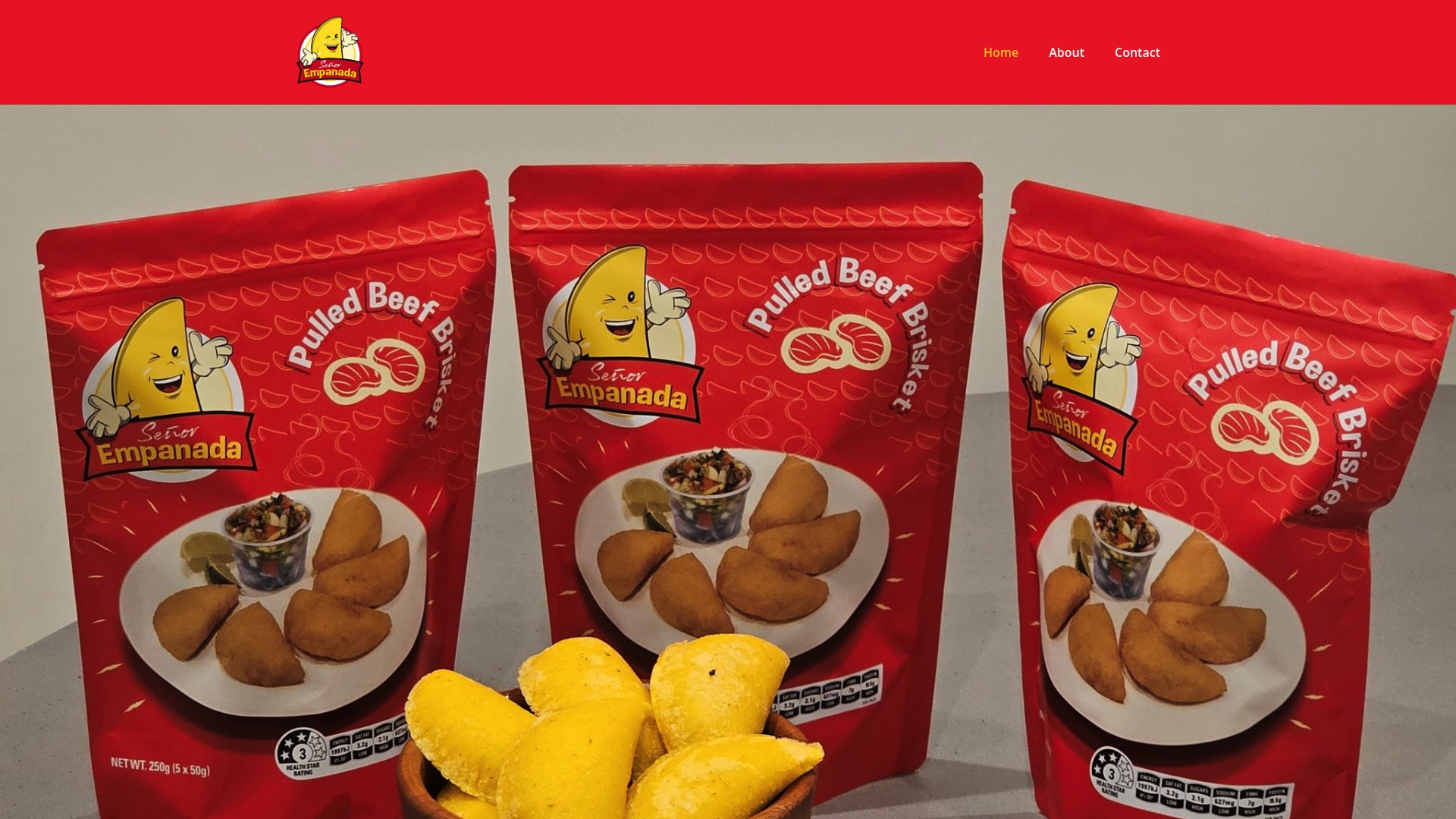
If you’ve already got arepas or empanadas from Senor Empanada in the freezer, pairing them with a ready-made sauce turns a fifteen-minute recipe into a two-minute one. It’s not a replacement for cooking from scratch when you’ve got the time and the craving, it’s the option for the nights you don’t. Head to the Senor Empanada range to see the current sauce and empanada lineup, and pair your next order with the pastry guide if you’re building out a full Venezuelan spread.
Sources
- Guasacaca Sauce (Chili Pepper Madness)
- Venezuelan cilantro sauce (guasacaca criolla) — VeryVeganish
- Guasacaca (Serious Eats)
FAQ
What sauce goes with arepas?
Guasacaca is the classic choice, a creamy, tangy avocado sauce that works with almost any filling. For fried snacks or lighter fillings, the non-avocado version, guasacaca sin aguacate, pours on more easily.
What is traditionally served with arepas?
Beyond guasacaca, Venezuelan tables typically include salsa criolla, garlic-cilantro cream, and sometimes a cooked sauce like hogao for cheese fillings. The choice usually comes down to whether the filling is wet, dry, or already rich.
What do you put on top of arepas?
Most cooks drizzle or spoon sauce directly over the filling once the arepa is split open, rather than on the outside crust. A thin sauce like guasacaca sin aguacate is built specifically for this kind of drizzling, since it’s pourable rather than spoonable.
What are some traditional sauces from Venezuela?
Guasacaca is the best known, followed by its thinner herb-only cousin and a garlic-cilantro cream. All three appear across Venezuelan cooking as condiments for arepas, empanadas, and tequeños alike.
Does Senor Empanada sell ready-made arepa sauces?
Yes, Senor Empanada offers sauces built on these same traditional Venezuelan recipes. Current options and pricing are listed on the Senor Empanada website.