
Six sauce families cover nearly every empanada you’ll ever fry or bake: chimichurri, salsa criolla, hogao (roasted tomato), chipotle mayo, avocado crema and aji verde. The pairing rule is simple: herb and vinegar sauces cut through rich fried beef, creamy tangy dips soften cheese and chicken, and bright acidic sauces lift seafood and anything heavy.
TL;DR:
- Chimichurri is ideal for beef empanadas but can be prepared in a textured or puréed form to control oil release and flavor richness.
- Salsa criolla and hogao are versatile, with salsa criolla being more refreshing and hogao providing deeper roasted tomato and garlic flavors, both suitable for fried and baked empanadas.
- Modern sauces like chipotle mayo, avocado crema, and Peruvian aji sauces expand flavor options but should be matched carefully to filling and cooking method.
- Adjust sauce consistency and spice level easily by adding water or extra thickening ingredients, and choose sauces based on whether empanadas are fried or baked.
- Making sauces ahead is practical, with herb and oil sauces lasting up to two weeks in the fridge, while dairy-based dips are best prepared shortly before serving.
Table of Contents
- Quick shortlist: six sauces and what each is best for
- Traditional sauces: chimichurri, salsa criolla and hogao
- Modern and fusion sauces worth trying
- How do you choose the right sauce for your empanadas?
- Make-ahead, batch prep and storage timings
- Señor Empanada: expert tips and a party pairing menu
- Regional twists on empanada sauces you might not know
- Adjusting sauce consistency and spice level
- Our take: stop overthinking the sauce, start matching it to the filling
- Bringing sauces and empanadas together without the kitchen marathon
- Sources
- FAQ
Quick shortlist: six sauces and what each is best for
If you’re standing in the kitchen with a tray of empanadas and no plan, start here.
- Chimichurri – parsley, garlic, vinegar and oil. Best for beef and barbecued fillings.
- Salsa criolla or hogao – onion and vinegar (criolla) or roasted tomato and garlic (hogao), flexible for fried beef and savoury mixes.
- Chipotle mayo – smoky and modern, a natural match for cheesy or baked empanadas.
- Avocado crema – cooling and creamy, ideal against chicken, vegetable and mild cheese fillings.
- Aji amarillo or aji verde – fruity Peruvian heat that suits pork and seafood.
- Garlic or lemon aioli – an all-rounder, especially strong with seafood and baked pastry.
These six aren’t the only options, but they cover the flavour territory most home cooks and hosts need. Roundups of dipping sauces for empanadas consistently return to this same core group for good reason: each one solves a different textural or flavour problem.
Traditional sauces: chimichurri, salsa criolla and hogao
These three carry centuries of table history behind them, and they remain the benchmark against which every “creative” sauce gets measured.
Chimichurri is the classic partner for beef empanadas, and it earns that reputation through sheer balance of acid, herb and garlic. A traditional chimichurri recipe leans on fresh parsley, garlic, red wine vinegar, olive oil, a pinch of chilli flake and oregano.
- Finely chop parsley and garlic, or pound them in a mortar and pestle for a rougher, more rustic texture.
- Whisk in vinegar first, then oil, so the sauce doesn’t split.
- Season with salt, chilli flake and oregano, then rest it for at least 30 minutes before serving.
Pro Tip: Making chimichurri in a mortar and pestle releases more oil from the herbs than a food processor does, which gives a rounder, less watery flavour. If you only have a blender, pulse in short bursts rather than running it continuously, or the parsley turns to purée instead of staying textured.
Chimichurri keeps well, refrigerated in a sealed jar for up to two weeks, which makes it a genuine make-ahead asset for anyone hosting. Our chimichurri guide breaks down regional variations if you want to go deeper.
Salsa criolla is closer to a salad than a sauce: thinly sliced onion, tomato, vinegar and oil, sometimes with chilli. It’s built to cut oiliness, so it’s the natural partner for anything fried. Our dedicated salsa criolla guide covers the two main regional styles.
Hogao, the roasted tomato and garlic sauce common across Colombian kitchens, gets its depth from the oven rather than the pan. Roasting tomatoes and garlic concentrates their sugars and adds a subtle smokiness that a raw tomato sauce simply can’t match. Roast whole tomatoes and garlic cloves at a high temperature until softened and browned, then blitz with onion, cumin and a splash of vinegar. It keeps for three to four days chilled, and it remains one of the most commonly recommended accompaniments for beef and pork empanadas.

Modern and fusion sauces worth trying
Traditional sauces earn their place, but the modern crop of dips has genuinely expanded what an empanada can taste like, particularly for cheesy or baked versions that don’t need acid to cut through fat the way fried beef does.
- Chipotle mayo starts with a good-quality mayonnaise base, then a tablespoon or two of chipotle paste per cup, adjusted to taste. It’s smoky, slightly sweet and works brilliantly with cheese and chicken fillings. Swap in a vegan mayo for a dairy-free version with no loss of flavour.
- Avocado crema needs stabilising or it separates and turns watery within an hour. Blend ripe avocado with a spoonful of Greek yoghurt or mayonnaise, lime juice and salt; that fat-and-acid combination holds the texture together far longer than avocado alone. It’s a smoother alternative to chunky guacamole, better suited to dipping than scooping.
- Aji amarillo or aji verde, the Peruvian yellow or green chilli sauces, bring fruity heat rather than raw burn. Blend the chilli with coriander, garlic, lime and a little mayonnaise or cheese for body. Both pair naturally with pork and seafood fillings.
- Romesco or mango chutney introduce a sweet-savoury contrast that classic Latin sauces don’t attempt. Romesco, built from roasted red peppers, almonds and garlic, complements cheese and pork especially well. Some collections of creative empanada dips list it alongside chutneys for exactly this reason. If you want a deeper dive into pepper-based sauces, this piquillo pepper sauce recipe is a useful reference point for the roasting technique.
Popular modern dips like avocado creams, garlic aioli and chipotle mayo all share one job: balancing the richness of fried or cheesy fillings rather than fighting it.
How do you choose the right sauce for your empanadas?
Three quick rules cover almost every decision you’ll face at the stove.
Rule 1: match the sauce to the filling. Beef empanadas want herb or vinegar based sauces to cut the richness. Chicken and cheese benefit from creamier, tangier dips such as avocado crema or aioli. Seafood empanadas need bright acidity, so aji verde or a lemon aioli works better than anything heavy. This filling-first logic holds regardless of which specific recipe you use.
Rule 2: factor in the cooking method. Fried empanadas already carry a lot of oil, so a vinegar or citrus-forward sauce like salsa criolla or chimichurri cuts through that fat. Baked empanadas are drier and lighter, so they can carry a creamier sauce like chipotle mayo without feeling heavy. If you’re unsure which pastry style you’re working with, our pastry guide explains how crust texture changes what a sauce needs to do.

Rule 3: think about how you’re serving it. For a party, single-serve pots travel and portion better than a shared bowl. Oil and vinegar based sauces hold up fine at room temperature for a couple of hours, while anything cream or yoghurt based needs to stay chilled until serving. Dipping rather than pouring keeps the pastry crisp far longer, which matters more than most hosts expect until they’ve served a tray of soggy empanadas.
Make-ahead, batch prep and storage timings
Batch-prepping sauces ahead of a party saves the kind of last-minute chaos that ruins good empanadas. Here’s what actually keeps and what doesn’t:
- Herb-oil sauces like chimichurri keep refrigerated for up to two weeks, making them the easiest sauce to prep days in advance.
- Mayo or yoghurt-based sauces (chipotle mayo, avocado crema, aioli) last three to five days chilled; make these closer to the event.
- Tomato-based sauces like hogao keep three to four days and, usefully, freeze well for longer storage.
- Avocado-based sauces do not freeze well — the texture breaks down and turns grainy on thawing, so make these fresh or within a few days of serving.
An oil-and-acid sauce is genuinely more forgiving to transport than a dairy one: it can sit at room temperature briefly, while a cream-based dip needs an insulated container the whole trip. For events, portioning dips into single-serve pots rather than one shared bowl keeps pastry crisp and makes cost control per guest much easier to manage.
Señor Empanada: expert tips and a party pairing menu
We’ve catered enough events to know one thing for certain: dipping preserves crust far better than pouring, which is why we serve sauces in portioned pots rather than pooled on the plate. Señor Empanada’s Traditional Beef Empanada and Cheesy Empanada are made from traditional recipes with premium, locally sourced ingredients, built to hold their own against a bold sauce rather than get lost under it.
For your next gathering, try this 3×3 menu: Traditional Beef with chimichurri, Cheesy Empanada with chipotle mayo, and a chicken filling with avocado crema. Three fillings, three sauces, zero guesswork.
Regional twists on empanada sauces you might not know
Colombia and Argentina dominate most sauce conversations, but empanada sauces shift dramatically once you look further across Latin America. In Chile, pebre, a chunky blend of tomato, onion, coriander and chilli, sits alongside empanadas the way salsa criolla does in Argentina, though it carries more heat and a rougher texture. Bolivian llajwa swaps parsley for fresh tomato and locoto chilli, producing a fierier, more rustic condiment than its Colombian cousins.
Venezuelan tables often lean on a garlic and lime mojo rather than a tomato base, particularly alongside seafood and pork empanadas near the coast. Mexican-style empanadas, which differ structurally from South American versions, frequently pair with a simple salsa verde built from tomatillos rather than red tomatoes, giving a tarter, greener finish than hogao.
None of these regional sauces are wrong turns from a “correct” formula. Empanada fillings themselves vary enormously by country, and sauces evolved locally to match whatever protein and pastry style dominated that region’s kitchens. If you’re curious how filling traditions differ across the continent, our Latin American empanada recipes roundup covers ten authentic styles worth trying at home. The takeaway for a home cook is permission, not prescription: borrow a Chilean pebre for your beef empanadas or a Venezuelan mojo for prawns, and you’re following the same logic that built the traditional sauces in the first place.
Adjusting sauce consistency and spice level
Every sauce on this list can be dialled up, down, thinned or thickened depending on who’s eating and how it’s being served, and that flexibility is half the reason these six recipes work across so many fillings.
For consistency, chimichurri and salsa criolla thin easily with extra vinegar or a splash of water if they feel too thick for dipping. Creamy sauces like avocado crema or chipotle mayo go the other way: add extra yoghurt, mayonnaise or a spoonful of avocado to loosen them, or extra avocado flesh and a shorter blend time to thicken. Hogao thickens naturally the longer it simmers, so pull it off the heat earlier if you want a looser, more pourable texture.
For heat, the easiest lever is always chilli quantity, not chilli type. Aji verde and aji amarillo both scale down cleanly by cutting the chilli in half and adding extra herb or lime to fill the gap in flavour. Chipotle mayo tames easily with less paste and a touch more mayonnaise. If you’re cooking for a mixed crowd, including kids or heat-sensitive guests, our piece on where empanada heat actually comes from explains why the sauce, not the filling, is usually the culprit, and why serving a mild and a spicy option side by side solves most dinner-table disagreements.
Our take: stop overthinking the sauce, start matching it to the filling
The conventional advice around empanada sauces treats every recipe like it needs a signature dip, as though picking “the best sauce” is a single, universal answer. It isn’t. The evidence throughout this guide points to one practical truth: filling and cooking method decide the sauce, not personal preference for one recipe over another.
Where most home cooks go wrong is committing to one sauce for an entire tray of mixed fillings. A single chimichurri poured over beef, chicken and cheese empanadas alike flattens the differences between them instead of highlighting what makes each filling worth eating. Prioritise the pairing logic first: acid and herb for rich fried beef, cream and tang for chicken and cheese, brightness for seafood. Get that right, and even a simple two-ingredient sauce will outperform an elaborate one applied to the wrong empanada.
— Senor Empanada
Bringing sauces and empanadas together without the kitchen marathon
Making six sauces from scratch for a party is a genuinely fun project on a quiet Sunday, but it’s not realistic the night before a birthday party or office lunch. Señor Empanada’s Traditional Beef and Cheesy Empanadas arrive ready to fry or bake, made from traditional recipes with premium ingredients, so the only decision left is which sauce goes in the pot.
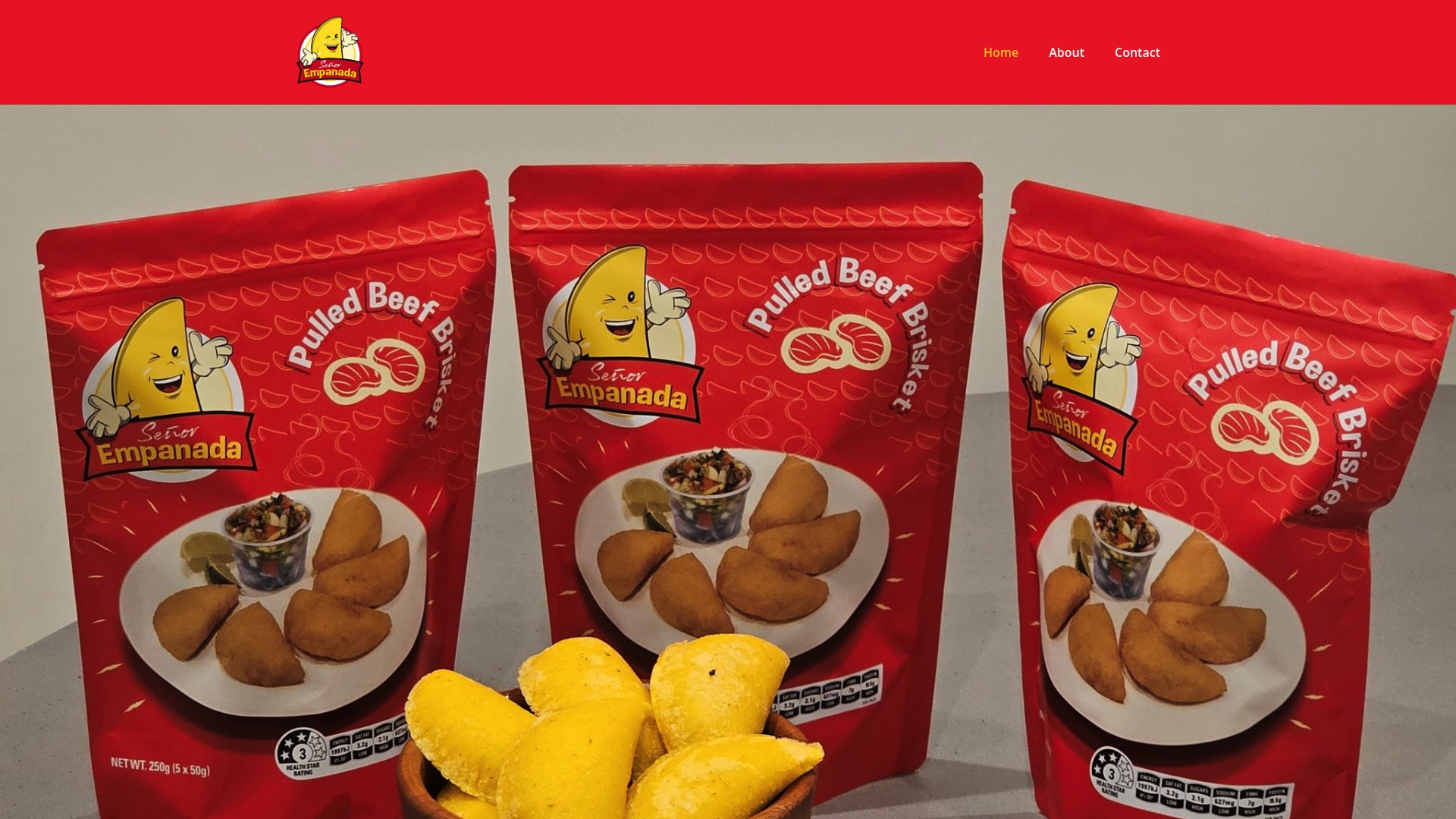
If you’re planning a gathering and want the pairing sorted without the prep list, our kids party snacks range covers easy Latin flavours built for exactly this kind of event. Check availability for your next order and match a sauce from this guide to whichever tray you choose.
Sources
- Empanada sauce
- Empanada dipping sauce
- Empanada Dipping Sauce: A Flavorful Roasted Tomato & Garlic Dip
- Argentinian chimichurri sauce recipe
FAQ
What is a good dipping sauce for empanadas?
Chimichurri, hogao and avocado crema are reliable all-round choices, though the best pick depends on the filling: herb and vinegar sauces suit beef, while creamy dips suit chicken and cheese.
What is traditionally served with empanadas?
Chimichurri and hogao are the two most commonly recommended classic accompaniments, especially across Argentinian and Colombian styles.
What goes on top of empanadas?
Most empanadas are served with sauce on the side for dipping rather than poured over the top, since dipping keeps the pastry crisp instead of turning soggy.
What is the traditional dipping sauce for Colombian empanadas?
Hogao, a roasted tomato and garlic sauce, along with a version of aji sauce, are the standard accompaniments for Colombian-style empanadas.