Yes, sell empanadas in your cafe, and for most single-site operators the smartest entry point is a par-baked or wholesale frozen model rather than scratch baking. It fills the flat mid-morning stretch, lifts your average transaction value with minimal extra labour, and needs no bakery skill on the floor. The practical next step is simple: order a mixed sample pack and run a one-week trial before committing to a full menu spot.
TL;DR:
- Using par-baked or frozen empanadas minimizes waste and allows quick finishing in the oven, making them ideal for filling mid-morning lulls.
- A small convection oven, a dedicated freezer, and a reheating process are sufficient equipment for cafés starting with pre-made empanadas, avoiding the need for bakery-level skills.
- Selling bundles of two empanadas with a coffee can boost transaction value while maintaining healthy gross margins, provided portion sizes are carefully managed.
- Placement near the till in a heated display case significantly increases impulse purchases compared to out-of-sight refrigeration.
- Proper supplier vetting with sample testing, clear labeling, and a consistent reheating routine are key to ensuring quality and customer satisfaction before scaling production.
Table of Contents
- Why empanadas sell in cafés: day-parts, portability and margin
- Which supply models should cafés consider?
- What equipment and workflow do you actually need?
- How much should you charge, and what’s the margin?
- Where should empanadas sit on the menu and counter?
- How do you choose and onboard a supplier?
- Señor Empanada’s perspective: lessons from supplying cafés
- How Señor Empanada can help you get started
- Sources
- FAQ
Why empanadas sell in cafés: day-parts, portability and margin
Every café has what we call the invisible lull, that stretch between the last breakfast order and the lunch rush when the till goes quiet. Empanadas fill it because they are savoury, filling, and ready in minutes rather than requiring a full kitchen setup. Cafés that add tray-based savoury goods often see lower labour cost per sale and better profit per square inch of counter space than they get from delicate laminated pastry.
There’s another reason they outperform sweet pastry counters: durability. A croissant collapses if it sits too long; an empanada holds its shape and crust through a full service.
- Bridges the gap between breakfast pastry and lunch service
- Portable, one-handed eating with no cutlery or plate needed
- More shelf-stable than laminated pastry, so less morning waste
- Works as a snack, a light lunch, or a coffee companion
A curated menu of two bestselling fillings plus one dietary-friendly option keeps rotation tight and waste low, which matters more for a café than variety for its own sake. Empanadas at breakfast can extend that logic across the entire morning service, not just the counter tray.
Which supply models should cafés consider?
There are four realistic paths into empanadas, and the right one depends on your kitchen, your staff, and how much control over the recipe actually matters to your brand.
- Outsourced wholesale. You buy finished or near-finished product from a supplier. Labour cost is low and quality is predictable, but you give up some control over recipe and flavour direction.
- Par-baked or frozen. Product arrives partially baked or frozen and finishes in your own oven. This preserves a freshly baked finish while cutting waste, because you bake only what the day’s traffic demands.
- In-house scratch. Makes sense if you already run a bakery program with laminated pastry skills on staff. The hidden costs are real: dough handling time, ingredient waste, and the training needed to get pastry right consistently.
- Hybrid. Buy filling and dough components wholesale, then finish and plate in-house. This suits cafés that want a point of difference without full bakery overheads.
Most cafés without existing bakery infrastructure get the best return from option two, sometimes stepping into the hybrid model once volume justifies it.
What equipment and workflow do you actually need?
You don’t need a bakery to run empanadas well. A small convection oven with half-sheet capacity is genuinely adequate for a café starting with par-baked product, and that’s the single biggest equipment decision you’ll make.
Beyond the oven, focus on:
- A dedicated freezer with clear labelling and strict first-in-first-out rotation
- Chilled storage if you’re holding thawed product for same-day service
- A reheat option: convection oven, combi oven, or air fryer, depending on your kitchen footprint
- A merchandise warmer or heated display case if you want grab-and-go visibility
- A short written reheating SOP so every staff member gets the same crisp result
Pro Tip: If you’re using a merchandise warmer for display, finish with a short blast bake of two to four minutes just before service to restore crust crispness, and avoid holding product past 45 minutes if texture matters to your customers.
Get your team trained on how to reheat empanadas for a crispy crust before launch day, not on it. A soggy first impression is hard to undo with regulars.

How much should you charge, and what’s the margin?
Grab-and-go savoury items typically target a gross margin in the range cafés already use for sandwiches and toasted items, and empanadas usually sit comfortably inside that band once your cost of goods and labour are accounted for. Portion size matters more than most operators expect: King Arthur’s tested empanada recipe yields around 16 four-inch empanadas from a standard batch, giving you a useful benchmark for sizing your own orders and combos.
Worked example: if your wholesale cost per unit sits in a moderate range and you retail accordingly, you can expect a strong gross margin per unit before adding the cost of a reheat cycle. Bundle two empanadas with a coffee at a modest discount to the combined price and you still protect that margin while lifting average transaction value.
Run the maths against your own wholesale invoice rather than copying this figure blind. Suppliers vary, and so does your local pricing ceiling.
Where should empanadas sit on the menu and counter?
Placement decides whether empanadas get noticed or get ignored. A heated display case near the till drives impulse buys far better than a chiller tucked out of sightline, because customers order what they can see and smell.
- Test a coffee-and-empanada bundle for a week and track uptake before committing shelf space
- Offer a lunch pack combo (two empanadas plus a drink) to compete with nearby sandwich bars
- Rotate one limited-time flavour monthly to keep regulars curious
- Start small: 24 to 48 units across a short trial window tells you more than guessing ever will
A short bundling test gives you real sell-through data without the risk of overstocking a menu item that might not land with your specific customer base.
How do you choose and onboard a supplier?
Vetting a supplier properly upfront saves you from a bad first order and a worse first impression with customers. Ask these questions before you commit to anything beyond a sample:
- What are your lead times and minimum order quantities for a single-site café?
- What delivery slots do you offer, and how is cold chain maintained in transit?
- How do you label allergens, and can you supply a dietary-friendly option alongside your bestsellers?
- Can you provide a sample pack before any standing order commitment?
- What’s your bake chart for frozen versus thawed product, since oven times shift depending on starting temperature?
Once samples arrive, run a proper taste test with your team, check the packaging survives a reheat cycle without sogging out, and confirm labelling meets your local food safety requirements. A trial of 24 to 48 units across three to seven days, logged by units sold and time of day, gives you a genuinely useful read on demand before you scale up.
Pro Tip: Brief your staff on the reheating SOP before the trial starts, not halfway through it. Consistency in the first week is what earns a repeat customer, not the flavour alone.
Señor Empanada’s perspective: lessons from supplying cafés
We’ve watched enough café launches to know the most common mistake isn’t the recipe, it’s skipping the trial. Operators who commit to a full menu rollout before testing sell-through almost always end up trimming flavours within a month. Two bestsellers plus one dietary option, backed by a proper reheating routine, consistently outperforms a broad, unfocused range. For the technical side, our pastry guide and reheating guide cover the details that separate a crisp counter offering from a disappointing one.
— Senor Empanada
How Señor Empanada can help you get started
Wholesale-friendly formats built for cafés that want authentic Latin flavour without becoming a bakery: par-baked and frozen empanadas ready for a quick finish in your own oven, alongside sample packs designed for exactly the kind of low-risk trial this guide recommends.
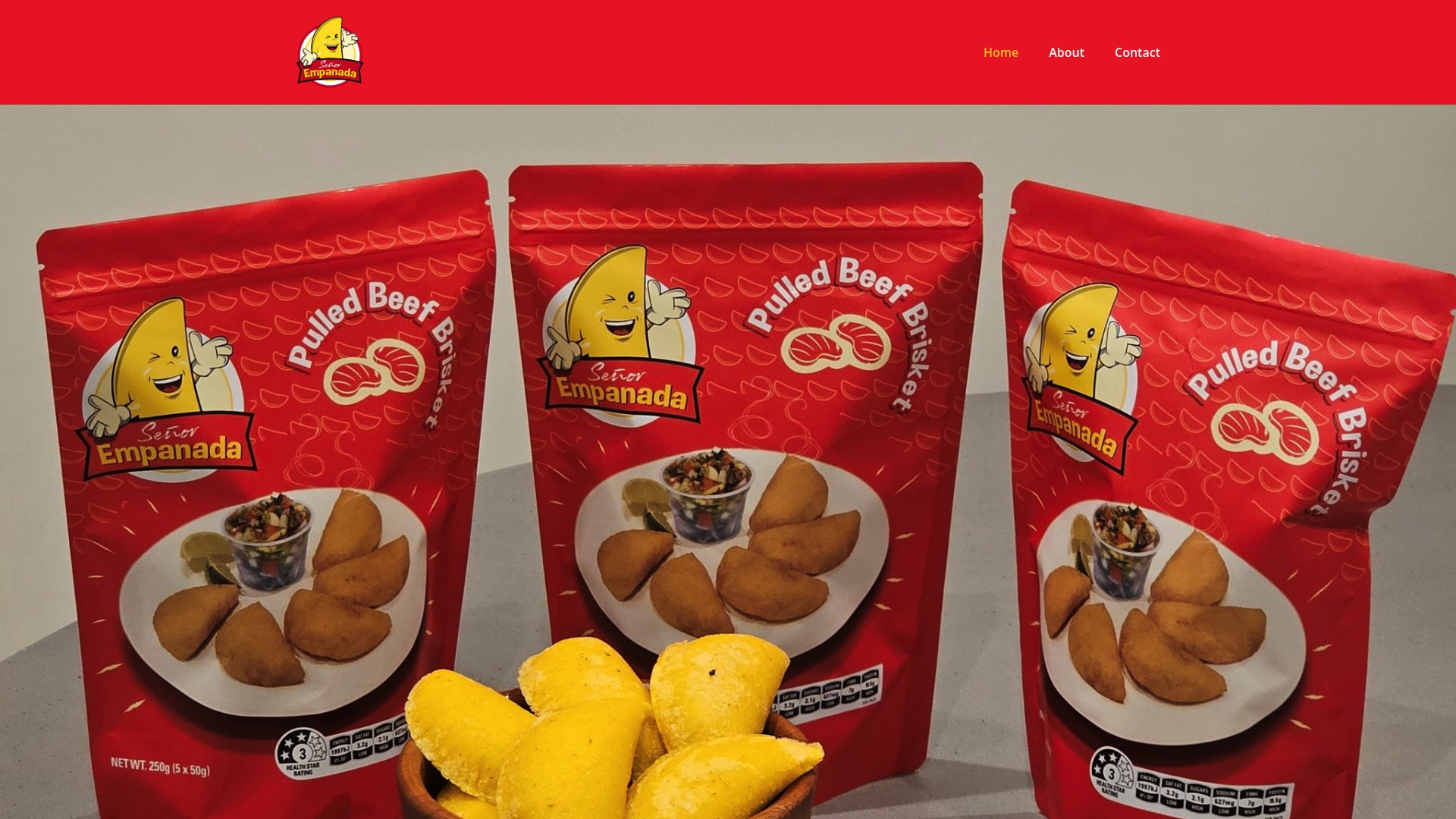
A starter order typically covers a small mix of popular fillings, so your team can taste-test and run a short in-store trial before scaling into a standing wholesale account. We’ll talk you through storage, reheating, and rotation as part of onboarding, so your staff aren’t guessing on day one. If you also cater events or local gatherings, consider using quality textiles for restaurants wholesale to enhance your presentation and service experience, which extends nicely into that side of your business. For cafés thinking about presentation at the counter, these packaging fixes are worth a look before launch. Ready to see how they perform on your counter? Get in touch to arrange a sample pack and set up your trial order.
Sources
FAQ
What sells well in a café besides coffee?
Savoury grab-and-go items like empanadas, toasted sandwiches, and baked goods with strong shelf stability tend to outperform delicate sweet pastries because they hold quality longer through service.
How many empanadas do you need for 40 people?
Using a standard yield of roughly 16 four-inch empanadas per batch as a benchmark, plan your unit quantities according to your guest count and serving size.
What’s the difference between a turnover and an empanada?
A turnover is typically made from puff or shortcrust pastry folded around a sweet or savoury filling, while an empanada uses a firmer, often corn or wheat based dough designed to hold its shape and crust through reheating and handling.
How much do café workers get paid?
Café wage rates vary by role, location, and experience, and are set under Australian award rates for hospitality and retail workers rather than a single fixed figure.
Can I sell empanadas in my café without a bakery licence?
Requirements vary by local council and state food safety regulations, so check with your local health authority before adding any hot savoury item to your menu; most councils treat reheated wholesale product differently to on-site baking from raw dough.