
Choose a mix of 3–5 item types (hot savoury, cold savoury, vegetarian, one substantial handheld and a sweet), and plan for 8–12 pieces per guest for a standard cocktail hour. Keep hot food genuinely hot and cold food genuinely cold, and slot in one late-night snack if the reception runs past five hours. A batch-friendly handheld like an empanada from Senor Empanada earns its place on the tray because it holds well, travels well, and eats in one bite.
TL;DR:
- Hot and substantial handheld options like empanadas and sliders are ideal because they travel well, are easy to eat in one hand, and require minimal cutlery.
- Planning 8 to 12 pieces per guest covers a standard cocktail hour, while larger amounts are needed if finger food replaces a full meal or extends past four hours.
- Batch-ready items such as empanadas and arancini can be pre-frozen and reheated, reducing onsite labor and ensuring food safety.
- Replenishing small platters frequently keeps hot items hot and cold items cold, especially during outdoor or warm-weather receptions.
- Including a mix of cold bites, vegetarian options, and sweets ensures variety and caters to dietary preferences while maintaining budget-conscious choices.
Table of Contents
- Wedding finger food ideas for every course of the night
- How many pieces per guest do you actually need?
- Choosing a service style and timing the menu right
- Budgeting and make-ahead tricks that don’t taste cheap
- Food safety and holding temperatures for wedding catering
- The tasting checklist smart couples run before they book
- Why handheld Latin flavours work so well at weddings
- Order a sample pack before you commit to a caterer
- Where these numbers and rules come from
- Sources
- FAQ
Wedding finger food ideas for every course of the night
The best wedding finger foods share three traits: they’re easy to hold, they reflect the couple’s taste, and they don’t demand a fork. Compact handhelds routinely outperform delicate items that need cutlery, which is why the strongest wedding canape ideas lean savoury, small, and sturdy.
Hot savoury bites
- Mini beef or chicken empanadas, hand-crimped and easy to eat one-handed
- Arancini with a marinara or aioli dip, held on skewers for less mess
- Pulled pork or chorizo sliders on soft brioche buns
- Vegetable or corn arepas, split and filled to order at a live station
Cold savoury bites
- Smoked salmon blinis with dill cream
- Prosciutto and melon skewers, no cooking required
- Caprese skewers with cherry tomato, bocconcini, and basil
- Rare beef crostini with horseradish cream
Vegetarian and vegan options
- Mushroom and spinach empanadas, clearly labelled for dietary clarity
- Falafel bites with tahini
- Grilled vegetable and hummus tartlets
- Stuffed mini capsicums with quinoa
Substantial handhelds (count these as fuller portions)
- Beef or cheesy empanadas
- Sliders
- Small quiches or savoury tarts
Sweet bites
- Mini pavlovas or lemon tarts
- Doughnut holes with a dusting of cinnamon sugar
- Chocolate brownie bites
Late-night snacks
- Loaded chip cones
- Mini toasties or sliders, reheated fresh
- A late-night handheld snack station at around 1.5–2 pieces per guest
For a fuller breakdown of category logic, this five-category guide is worth a read before you finalise your list.
How many pieces per guest do you actually need?
Portion planning comes down to event length and whether food is replacing a sit-down meal.
- Pre-dinner nibbles (short cocktail window): 4–6 pieces per guest before a seated meal follows.
- Standard cocktail hour: 8–12 pieces per guest, a range widely used by Australian catering planners.
- Finger food as the entire meal: 10–14 pieces per guest, weighted toward substantial items like empanadas and sliders rather than single-bite canapés.
- Adjust for alcohol and duration: add roughly 10–15% more volume for receptions running past four hours or with open bars, since drinking guests eat more.
Worked example: for 100 guests having a one-hour cocktail hour before dinner, order 4–6 pieces each — around 500 pieces total. If finger food is the whole event, plan closer to 1,200 pieces, weighted toward the substantial and late-night categories.
Choosing a service style and timing the menu right
Passed trays, grazing tables, and stations each solve a different problem; for inspiring ideas on arranging these, consider examples of vibrant food presentations to elevate your display. Passed canapés keep guests mingling and food moving, grazing tables let people self-serve at their own pace, and stations (a taco bar, an empanada station) add a bit of theatre but need floor space and a dedicated attendant.
- Arrival: light, cold bites — nothing that needs a fork
- Cocktail hour: the bulk of hot and substantial items
- Mid-reception: a slower trickle, often from a grazing table
- Late-night: one casual snack station if the event runs past five hours, timed for when the dance floor gets hungry again
Pro Tip: Don’t put the whole menu out at once. Smaller platters replenished in batches keep hot food hot, cold food cold, and give late arrivals something fresh instead of the picked-over remains.
Budgeting and make-ahead tricks that don’t taste cheap
A budget-friendly wedding finger food menu leans on batch-friendly items over labour-intensive ones — pick 2–3 substantial options, round them out with inexpensive cold bites, and finish with one or two simple sweets.
- Cheap fillers that scale: bruschetta, caprese skewers, vegetable crudités with dip
- Par-bake and freeze ahead: empanadas freeze exceptionally well raw or par-baked, then finish in the oven on the day — see make-ahead empanada guidance for reheating times
- Splurge on one moment: a single seafood or premium hot canape gives the menu a lift without blowing the budget on every course
- Keep the rest simple: sliders, arancini, and dips are inexpensive per head and reheat reliably
Food safety and holding temperatures for wedding catering
Australian rules are strict on this, and outdoor summer weddings are exactly where the risk shows up. Food Standards Australia New Zealand requires potentially hazardous food to sit at ≤5°C or ≥60°C, with cumulative time between those temperatures tracked and food discarded once it hits four hours.
- Use chilled displays (ice trays, chilled platters) for cold items, not just a pretty table setting
- Keep hot canapés on proper hot-holding equipment, not a warming lamp and hope
- Log cumulative time out of the safe zone, especially for outdoor or marquee weddings in warmer months
- Label allergens clearly on every platter, particularly for nuts, dairy, and gluten
Assign this responsibility explicitly to the caterer or a named event manager. It should never be left to whoever happens to notice the tray’s been sitting out too long.
The tasting checklist smart couples run before they book
A tasting isn’t just about flavour. The Knot’s service advice suggests checking whether food still tastes good after holding, whether guests can identify the filling, and whether the reheating instructions given are realistic for the venue’s kitchen setup.
- Test one-handed with a drink to check for drips and mess, exactly as Martha Stewart recommends
- Ask about staffing and replenishment plans — who tops up the trays, and how often
- Check delivery and set-up windows against your venue’s access times
- Request a reheating trial, not just a fresh-cooked sample
Pro Tip: A sample pack tells you more than a single tasting plate ever will — order one, reheat it exactly as you would on the day, and see how it holds an hour later.
Why handheld Latin flavours work so well at weddings
We’ve watched empanadas earn their spot on wedding trays because they travel, hold, and eat cleanly in one hand, no fork required. A cultural menu moment, done with clear allergen labelling, gives cocktail hour something memorable instead of another tray of the same three canapés. Empanadas have been used at events ranging from intimate backyard receptions to larger receptions needing several hundred pieces reheated on site.
— Senor Empanada
Order a sample pack before you commit to a caterer
Couples can find handhelds built for batch cooking, freezer storage, and one-handed eating, tested against the food-safety pressures a reception puts on hot food. Empanadas, arepas, and authentic sauces are available for direct order, catering, or wholesale, made from traditional recipes and premium ingredients rather than mass-produced fillings.
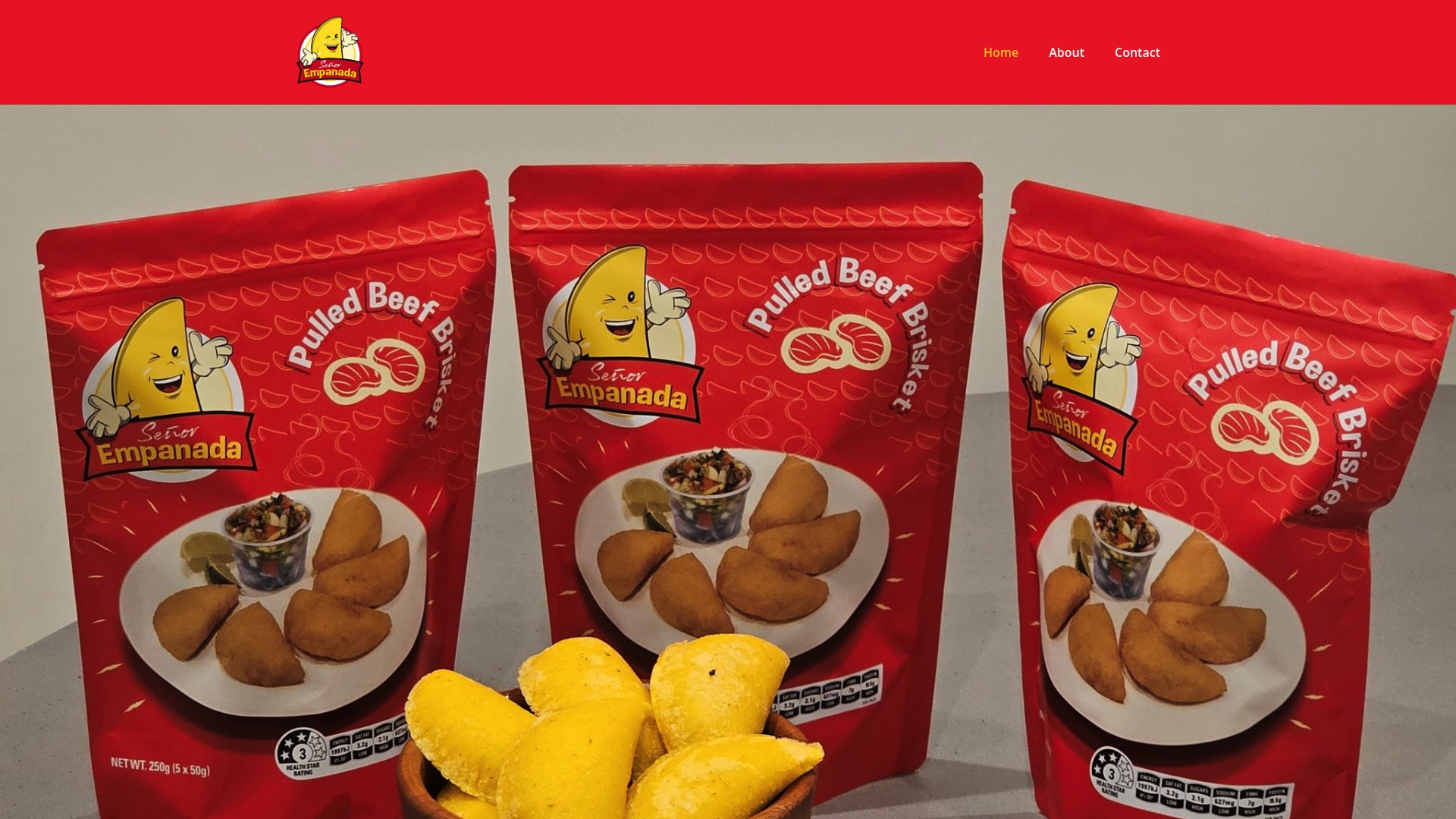
If you’re planning a cocktail hour and want to know exactly how a Traditional Beef Empanada or a Cheesy Empanada holds up after an hour on a tray, order a sample pack and run your own reheating trial at home before the big day. Browse the full empanada and sauce range to see what’s available, check pairing ideas in the Australian sides and sauces guide, and get in touch to talk quantities for your guest count.
Where these numbers and rules come from

The food-safety figures above come from FSANZ’s temperature control guidance, and the portion ranges are drawn from Caterking’s Australian catering benchmarks.
Sources
- Food Standards Australia New Zealand — temperature control guidance
- Martha Stewart — Finger food recipes
- Caterking — how many finger foods per person
- Wedding Spot — Cheap wedding finger-food ideas
FAQ
What are some good finger foods to serve at a wedding?
A strong wedding finger food menu mixes hot savoury bites (empanadas, arancini, sliders), cold savoury options (bruschetta, skewers, blinis), a vegetarian selection, and a couple of sweet bites to finish. Compact handhelds that don’t need cutlery tend to work best because guests are usually standing and holding a drink.
What are some easy finger foods that don’t need much prep?
Cold items like caprese skewers, bruschetta, and vegetable crudités with dip need no cooking at all, while empanadas and arancini can be par-baked or frozen ahead and finished on the day. Batch-friendly options like make-ahead empanadas cut down event-day labour significantly.
What are some easy snacks I can serve at a wedding without blowing the budget?
Lean on inexpensive cold fillers such as bruschetta and vegetable platters, then use one or two more substantial hot items like sliders or empanadas to round out the menu. Batch-friendly items generally cost less per head than delicate, labour-intensive canapés, and they reheat more reliably too.
What food should be on a finger buffet at a reception?
A finger buffet should combine 3–5 categories: hot savoury, cold savoury, a vegetarian option, one substantial handheld like an empanada or slider, and a sweet bite. Plan around 8–12 pieces per guest for a standard cocktail hour, adjusting upward if the buffet is replacing a full meal.
How much finger food should I order for 100 wedding guests?
For a one-hour cocktail hour before a seated dinner, order 4–6 pieces per guest, roughly 500 pieces total for 100 guests. If finger food is the entire meal, budget closer to 1,000–1,400 pieces, weighted toward substantial options such as empanadas and sliders.