
Hogao is a Colombian creole sauce made from slowly cooked tomatoes and scallions, often finished with garlic and a pinch of cumin. It’s a sofrito-style base, meaning cooks use it two ways: spooned straight onto a dish as a condiment, or stirred into stews and beans early on to build flavour from the ground up.
TL;DR:
- Hogao is most effective when prepared in larger batches and stored in the freezer in small portions for quick use in future dishes.
- The sauce benefits from a slow, patient simmer of 10 to 20 minutes, with visual cues like oil pooling indicating readiness rather than strict timing.
- It is versatile, used both as a finishing condiment for dishes like arepas and eggs or stirred into stews and rice early in cooking.
- Variations include regional names and small ingredient tweaks, but the core technique and flavor profile remain consistent across Colombia.
- A well-made hogao can significantly enhance simple meals, making plain rice or eggs taste more flavorful with minimal effort.
Table of Contents
- What is hogao sauce made from?
- How do you make basic hogao?
- How is hogao used in Colombian cuisine?
- Where does hogao come from, and what are its regional names?
- How do you store hogao?
- How Senor Empanada uses hogao in the kitchen
- Why a simple sauce carries so much weight
- Bring hogao to your next gathering
- Sources
- FAQ
What is hogao sauce made from?
At its heart, hogao is a simple pairing of ripe tomatoes and scallions (also called long green onions), cooked down slowly in oil or butter until they collapse into something jammy and sweet, perfect for inspiring new dishes on the EmpowerFit Women recipe hub. That simplicity is deceptive. Get the ratio and the aromatics right and you have the backbone of half of Colombia’s home cooking sitting in one pan.
The standard ingredient list looks like this:
- Ripe tomatoes, peeled and chopped (enough tomatoes to yield about two cups of finished sauce)
- Scallions or green onions, thinly sliced, white and green parts (about six for that same batch)
- Neutral oil or butter for the base
- Garlic, minced, one or two cloves
- Ground cumin, a small pinch
- Salt and black pepper to taste
Some cooks stir in fresh coriander at the end for brightness, or a touch of annatto (achiote) for that deep amber colour you see under grilled meats at a Colombian table. Neither is essential, but both are common enough that you’ll see them in regional variations across traditional hogao ingredients lists. The proportions matter less than the technique that follows, which is where hogao earns its reputation.
How do you make basic hogao?
Hogao rewards patience more than precision. There’s no elaborate technique here, just low heat and enough time for the vegetables to break down properly.
- Prep your tomatoes and scallions. Grating the tomatoes gives a smoother sauce; chopping keeps a bit of texture. Either works.
- Warm oil or butter in a pan over medium heat, then add the scallions first to soften for a minute or two.
- Add the tomatoes and garlic, stir through, and season with cumin, salt and pepper.
- Drop the heat to low and let everything simmer, stirring occasionally, until the mixture turns jammy and reduces by roughly half.
Most hogao sauce recipes put the total cook time somewhere between 10 and 20 minutes, but don’t watch the clock too closely. The real doneness test is visual: once you see a thin sheen of oil separating and pooling at the edge of the pan, the sauce has reduced enough and reached that signature jammy texture. That cue matters more than any timer, because tomato water content varies wildly between batches.
If you want the aromatics to bloom harder, sauté the garlic in the oil before the scallions go in. If your cumin feels heavy-handed, halve it and taste as you go. Anyone curious about why this slow sauté technique produces such a different result to a quick raw salsa can see the same principle at work in how salsa criolla styles are built.
Pro Tip: Make a double batch on a Sunday and freeze it in small portions. Future you, staring down a pot of beans on a Tuesday night, will be very grateful.
How is hogao used in Colombian cuisine?
Hogao does double duty in the Colombian kitchen, and understanding that distinction is the key to using it well at home.
As a condiment, it’s the finishing touch spooned generously over:
- Arepas, straight from the griddle
- Patacones (fried green plantains)
- Scrambled eggs
- Grilled meats and bandeja paisa platters
As a cooking base, it’s stirred into the pot early, giving depth to beans, rice, sancocho and other slow-simmered stews. Recipe writers frequently point to this dual role when describing uses for hogao across everyday Colombian meals.
For home cooks looking for quick wins, spoon a spoonful over toast, fold it into scrambled eggs, or stir a tablespoon into a pot of simmering black beans. If you’re building out a full arepa spread, how to make arepas at home walks through the pairing in more depth.
Where does hogao come from, and what are its regional names?
Hogao is most closely associated with Antioquia and the paisa culinary tradition, though it appears across Colombia under slightly different names and ingredient tweaks. The word itself traces back to ahogar and rehogar, Spanish verbs describing the act of slow sautéing, and that etymology tells you exactly what’s happening in the pan.
Culinarily, hogao functions as Colombia’s answer to sofrito, the aromatic base found across Spanish and Latin American cooking, though hogao leans specifically on tomato and scallion rather than the peppers and onions common in Puerto Rican or Cuban versions. You’ll also see it called hogado, guiso or criollo in different regions, usually with small swaps like extra cilantro or a heavier hand with annatto depending on local taste.

How do you store hogao?
Hogao holds up well, which is part of why Colombian households keep a batch on hand. Refrigerate it in a sealed container for about a week, or freeze it in small tubs or ice cube trays for several months. Portioning it into tablespoon or quarter cup amounts before freezing means you can pull out exactly what you need for one pot of beans without thawing the whole batch, according to guidance from Colombian recipe sources. Thaw it in the fridge overnight and reheat gently over low heat to bring the texture back.

How Senor Empanada uses hogao in the kitchen
We treat hogao as a flavour engine, not an afterthought. Alongside our arepas and empanadas, a warm spoonful of hogao turns a simple snack into something that tastes like it came off a family stove in Medellín. For catering platters, we serve it at room temperature in small shared bowls, roughly a tablespoon per guest, so people can spoon it fresh onto whatever they’re eating rather than having it pre-applied and gone soggy.
Why a simple sauce carries so much weight
What strikes us most about hogao is how much flavour it delivers for so little effort. A handful of ingredients, twenty minutes, and suddenly plain rice or eggs taste considered. If you’ve never made a batch, start small and taste as you go. It’s forgiving, and it rewards curiosity.
— Senor Empanada
Bring hogao to your next gathering
Reading about hogao is one thing. Tasting it properly, spooned over a crisp arepa or tucked beside a beef empanada, is another. Senor Empanada makes both from traditional recipes, so if you’d rather skip the pan and go straight to the plate, our kids party snacks and catering range are built for exactly that kind of table.
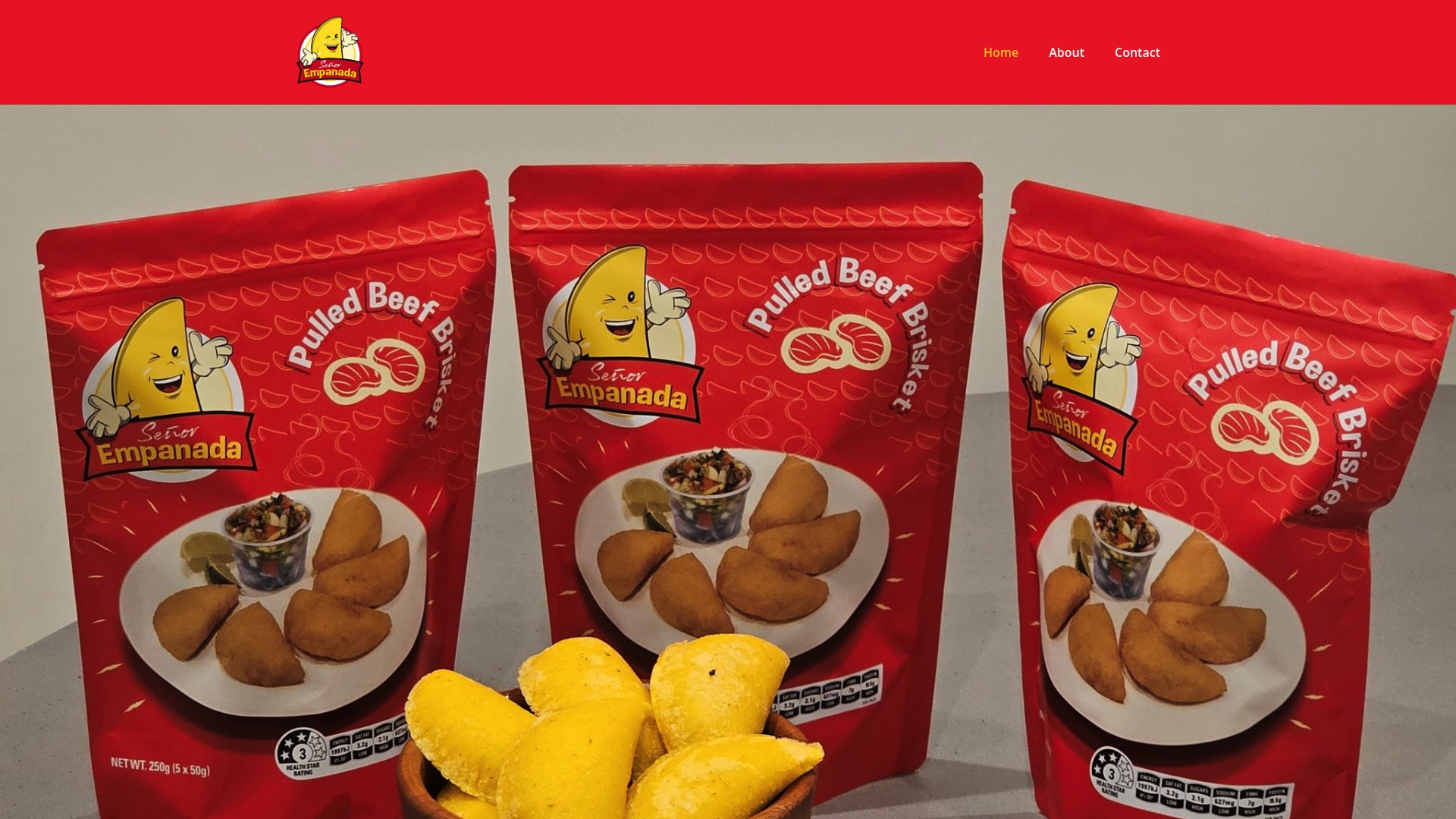
Whether you’re feeding a birthday crowd or stocking the fridge for a busy week, our arepas and empanadas pair naturally with hogao and other Colombian condiments without you needing to make anything from scratch. Check availability and place an order through our ordering and catering page to get authentic Latin flavours on the table for your next gathering.
Sources
FAQ
What is hogao in English?
There’s no single English word for hogao. The closest description is a “Colombian creole tomato and scallion sauce,” functioning much like a sofrito used across other Latin American and Spanish cooking.
What is hogao sauce?
Hogao sauce is a slow-cooked mixture of tomatoes and scallions, seasoned with garlic and cumin, used both as a table condiment and as a flavour base for beans, stews and rice.
Where is hogao from?
Hogao is most strongly associated with Antioquia and Colombia’s paisa culinary region, though variations of it appear across the country under names like guiso or hogado.
What does hogao mean in Spanish?
The word hogao comes from the Spanish verbs ahogar and rehogar, both describing the technique of sautéing ingredients slowly over low heat until they soften and reduce.