
Serve arepas with a bright sauce, a crisp vegetable side, a hearty protein and something crunchy, and you have covered every craving at the table. Guacamole, pico de gallo, black beans and tostones are the classic starting four, but the right mix depends on the arepa itself: thick Venezuelan arepas want to be split and stuffed like a sandwich, while thinner Colombian-style arepas do better as a side to soup or a grazing platter.
TL;DR:
- Arepas pair well with a variety of fillings and sides, but moisture control is key to prevent sogginess in stuffed versions.
- Sauces such as guacamole, pico de gallo, and chimichurri should be made with fresh ingredients and rested before serving for optimal flavor.
- Fried plantains, including tostones and maduros, add crunchy or sweet contrast and should be served immediately to maintain crispness.
- Classic Venezuelan fillings like Reina Pepiada and Pelúa require reheating and careful moisture balance to stay firm in the crust.
- Serving portions and side combinations depend on whether arepas are the main course or part of a grazing spread, with thicker arepas suited to stuffing and thinner ones as sides.
Table of Contents
- 1. Top 10 things to serve with arepas: a ranked shortlist
- 2. Salsas, sauces and condiments to elevate arepas
- 3. Vegetable-forward sides and salads
- 4. Protein-based pairings and classic arepa fillings
- 5. Fried sides and crunchy snacks
- 6. Pairing tips, portioning and how to serve arepas for a gathering
- 7. Señor Empanada tips: reheating, gluten-free safety and a quick filling
- 8. Why these pairings work together
- Señor Empanada: ready-to-buy sauces and snacks to complement your arepas
- Selected recipes and reading
- Sources
- FAQ
1. Top 10 things to serve with arepas: a ranked shortlist
Arepas have a mild, slightly sweet corn base that welcomes almost any topping, which is exactly why choosing feels tricky. This shortlist covers the pairings that consistently earn their place at the table, whether you are feeding two people on a Tuesday or a whole gathering.
- Guacamole: mashed avocado with lime, salt and chilli adds fat and acid that cut through a warm, starchy arepa.
- Pico de gallo or charred salsa: diced tomato, onion and coriander (or a smoky charred version) brings freshness without heaviness.
- Chimichurri: this herby, oil-based sauce is best made a few hours ahead so the garlic and vinegar mellow.
- Black beans or a pabellón-style trio: black beans, shredded beef and fried plantain together turn a single arepa into a full plate.
- Shredded beef (Pelúa style): slow-cooked and pulled beef, often mixed with cheese, gives arepas real staying power as a meal.
- Reina Pepiada-style chicken: shredded chicken folded through avocado mayonnaise is the filling most people ask for first.
- Tostones and maduros: green plantain fried and flattened, or ripe plantain fried whole, adds crunch or sweetness depending on ripeness.
- Tequeños or fried cheese: these cheese-filled sticks or simple fried cheese squares are a snack-table favourite alongside arepas.
- Grilled vegetables: charred capsicum, zucchini and corn keep the plate colourful and lighten a meal heavy in fried sides.
- Pickled red onions: a quick vinegar pickle adds sharpness that balances rich fillings like cheese or beef.
None of these need to be fancy. A tested method for Venezuelan-style arepas involves pan-searing until a dry crust forms, then finishing in the oven before splitting and filling, and that same base works with any of the sides above. The trick is variety: pick one sauce, one vegetable side, one protein and one fried element, and the table looks and tastes considered without much extra effort.
2. Salsas, sauces and condiments to elevate arepas
Arepas have a neutral, almost sweet corn flavour, so sauces do a lot of the flavour work. A good spread covers acid, heat and richness without repeating itself.
- Guacamole: mash ripe avocado with lime juice, salt and finely diced onion or chilli, and make it no more than an hour before serving to keep the colour fresh.
- Pico de gallo: dice tomato, white onion, coriander and jalapeño in roughly equal parts, then salt it just before serving so it doesn’t turn watery.
- Chimichurri: blend parsley, garlic, oregano, red wine vinegar and olive oil in a rough two-to-one oil-to-vinegar ratio, and let it sit for at least 30 minutes so the flavours settle.
- Aji amarillo-style sauce: a blended chilli sauce with a touch of cream or cheese adds gentle heat without overpowering the corn base.
- Salsa criolla: thinly sliced onion, tomato and chilli marinated briefly in vinegar and oil, best made just before serving so the onion stays crisp.
Pro Tip: Dress anything with fresh herbs or raw onion right before you serve it. Sauces built on oil and vinegar, like chimichurri, actually taste better after resting for a few hours in the fridge.
For readers who want exact ratios and pairing logic rather than a quick list, our guide on matching sauces to Latin snacks breaks down which sauce suits which filling. Most of these condiments keep for two to three days sealed in the fridge, though anything with fresh avocado is best eaten the same day it’s made.

3. Vegetable-forward sides and salads
A plate of arepas can lean heavy fast, especially once cheese and fried plantain get involved, so a fresh vegetable side earns its spot at every meal.
- Curtido or pickled cabbage: shredded cabbage, carrot and onion pickled in vinegar for at least 30 minutes adds crunch and a tangy contrast.
- Grilled vegetables: capsicum, zucchini and corn cobs, brushed with oil and charred on a grill or pan, bring smokiness without extra fat.
- Corn salad: fresh or grilled corn kernels tossed with lime, coriander and a little chilli echo the arepa’s own corn base while adding texture.
- Mixed green salad with citrus vinaigrette: a simple bowl of leaves dressed with orange or lime juice, oil and salt cuts through richer fillings.
Staging matters more than the recipe itself when you are feeding a group. Dress leafy salads only in the last few minutes before serving so the leaves don’t wilt, but pickled sides like curtido can be made the day before and only improve as they sit. If you are building a grazing platter, keep grains or beans separate from dressed greens until serving time, then combine loosely so nothing turns soggy. Readers wanting more swaps in this direction, especially for family meals, can find extra ideas in our healthy Latin recipes guide. For a filling salad option beyond the classics here, this balanced salad roundup is a useful outside reference.
4. Protein-based pairings and classic arepa fillings
Arepas move from side dish to full meal the moment you split them and stuff them, and the traditional Venezuelan fillings are the benchmark for good reason.
- Reina Pepiada: shredded chicken folded through avocado and mayonnaise, the most requested filling and a reliable crowd-pleaser.
- Pelúa: shredded beef paired with a mild yellow cheese, offering a saltier, heartier bite than the chicken version.
- Pulled or roast beef: slow-cooked until tender, this works well on its own or layered with black beans.
- Black-bean combos: black beans with white cheese (sometimes called Dominó) or a full pabellón-style mix of beans, beef and plantain turn one arepa into dinner.
- Chicharrón: crisped pork adds a salty, crunchy note when used sparingly alongside a wetter filling.
The Serious Eats method lists cheeses similar to Guayanés, avocado, shredded chicken and pulled pork among the classic fillings, and the same pan-then-oven cooking approach keeps the shell sturdy enough to hold them. Moisture control is the real skill here: balance a fat like avocado or cheese against a moisture-binding protein such as shredded chicken or stewed beef, so the filling stays cohesive rather than soaking through the crust.
Pro Tip: Cook fillings the day before and reheat gently in a covered pan. Stuffing a warm arepa with cold filling straight from the fridge is the fastest way to end up with a soggy shell.

5. Fried sides and crunchy snacks
Every arepa spread needs something crisp, and plantains do that job better than almost anything else.
- Tostones: slice green plantain, fry briefly, flatten, then fry again until golden for a savoury, crunchy chip.
- Maduros: ripe plantain sliced and fried once in a little oil turns soft and caramelised, a sweeter contrast to tostones.
- Tequeños: cheese sticks wrapped in dough can be deep-fried for the classic result or baked at a high heat if you want less oil.
- Air-fryer shortcut: a hot air fryer gets plantain and tequeños close to fried-texture crunch with a fraction of the mess.
Serving temperature matters more than most cooks expect. Fried sides lose their crunch fast once they cool, so fry or air-fry them as close to serving time as you can manage, and never stack them while they’re still steaming, since trapped moisture turns crisp edges soft within minutes.
6. Pairing tips, portioning and how to serve arepas for a gathering
How much to make depends entirely on whether arepas are the main event or one part of a bigger spread.
| Occasion | Arepa portion per person | Suggested sides |
|---|---|---|
| Casual meal, arepas as main | 1 to 2 whole stuffed arepas | 1 protein filling, 1 sauce, 1 vegetable side |
| Grazing platter or gathering | 2 to 3 arepa halves | 2 to 3 small sides for variety without excess leftovers |
Thick Venezuelan arepas are built to be split and stuffed, so treat them as a sandwich and pair them with wetter, heartier fillings like Pelúa or Reina Pepiada. Thinner Colombian-style arepas work better as a side dish, served plain with butter and cheese or alongside a soup or stew rather than stuffed. For a timeline that keeps everything at its best, fry or grill anything crunchy last, keep sauces and pickles ready in the fridge, and warm proteins just before guests sit down so nothing goes cold or soggy while it waits.
7. Señor Empanada tips: reheating, gluten-free safety and a quick filling
We reheat arepas the same way we’d want them served to us: a quick sear in a hot, dry pan for a couple of minutes a side to bring back the crust, then a few minutes in a low oven if they need to warm through completely. For a fast breakfast, split a warmed arepa and fill it with scrambled egg and avocado, ready quickly.
- Arepas made from pure masarepa (corn flour, not wheat) are naturally gluten free, but shared fryers, chopping boards or sauces can introduce cross-contamination.
- Check labels on any store-bought sauce or filling if you’re cooking for someone with coeliac disease.
- Our gluten-free arepa guide covers a simple three-ingredient version and safe handling in more detail.
- If you’d rather start from scratch, our step-by-step arepa method walks through the dough from the beginning.
8. Why these pairings work together
The logic behind a good arepa spread comes down to four things: salt, acid, fat and texture, each balancing what the corn base lacks on its own. A rich filling like shredded beef needs acid from pico de gallo or pickled onion to stop the plate feeling one-note, and a soft, warm arepa always benefits from something crisp alongside it. Don’t feel locked into the classics: seasonal vegetables, a local cheese, or a sauce you already love in your own kitchen will work just as well, provided you respect whether the arepa in front of you wants to be stuffed or served on the side.
— Senor Empanada
Señor Empanada: ready-to-buy sauces and snacks to complement your arepas
If a weeknight doesn’t leave room for tostones and three sauces, Ready-to-serve empanadas, sauces and arepas are available to help with hosting a Latin-inspired spread without starting from scratch. Our sauces pair directly with the arepas and empanadas we sell, giving you the same flavour balance this guide covers, without the extra prep.
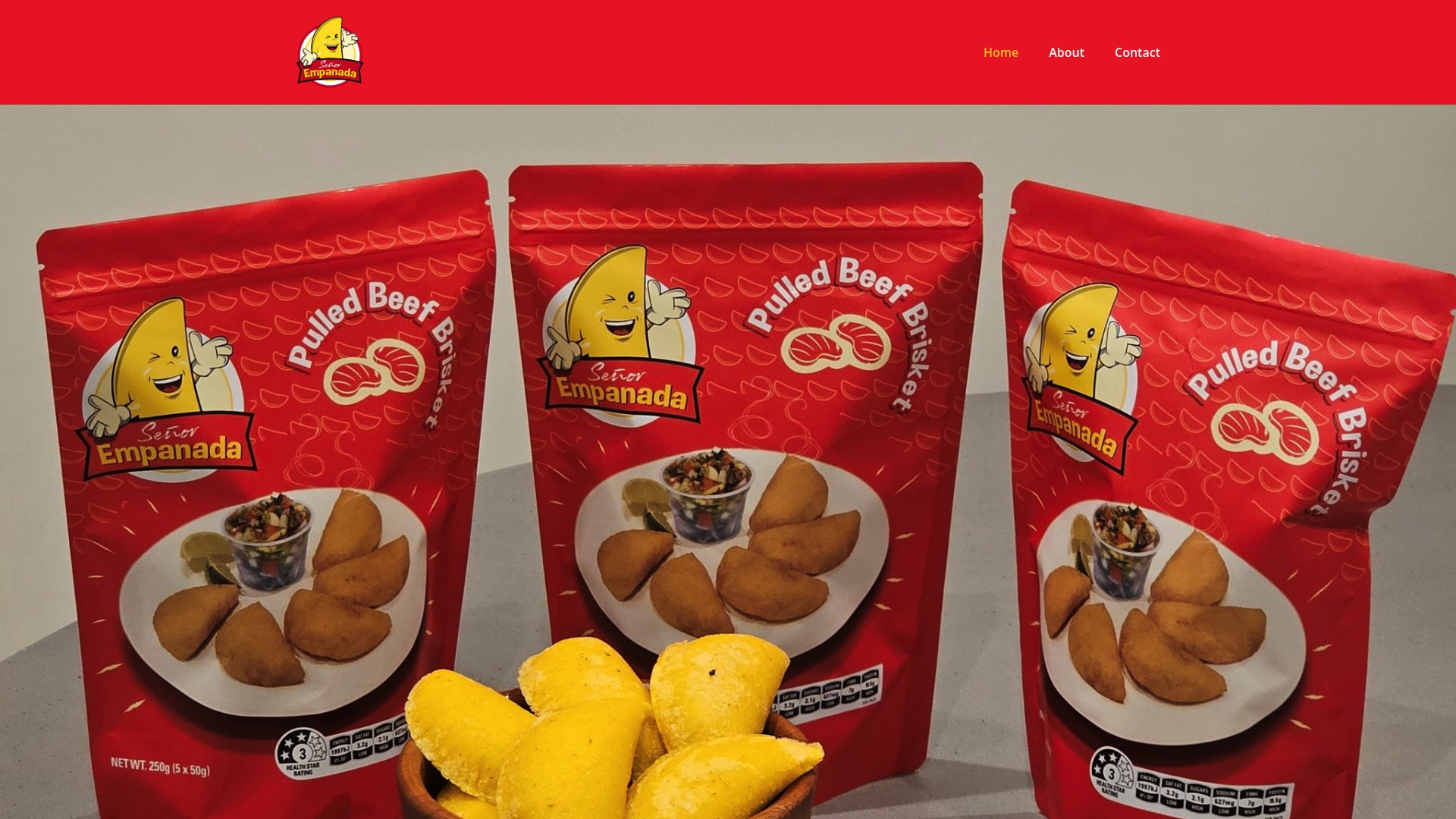
Whether you’re planning a family dinner or a bigger gathering, browse our full range of empanadas and sauces to build a spread in minutes rather than hours.
Selected recipes and reading
- Venezuelan-style arepas recipe, for a tested cooking method and filling ideas.
- SBS Food on arepas, for cultural context and local variations.
Sources
- Venezuelan-Style Arepas (Arepas Rellenas) Recipe — Serious Eats
- The arepa is so much more than a sandwich! | SBS Food
FAQ
What is traditionally served with arepas?
Arepas are traditionally served with sauces like guacamole and salsa criolla, alongside fillings such as shredded chicken, beef or black beans and white cheese. Fried plantain, in the form of tostones or maduros, is a common side that adds crunch to the plate.
How are you supposed to eat an arepa?
Thick Venezuelan arepas are split horizontally like a sandwich roll and stuffed with a filling such as Reina Pepiada or Pelúa. Thinner Colombian-style arepas are usually eaten plain or topped, often alongside a soup or stew rather than stuffed.
Are arepas healthier than bread?
It depends entirely on how they’re made and topped rather than the arepa itself. A plain corn arepa paired with lean protein, avocado and vegetables makes for a lighter, more balanced plate, while fried fillings and heavy cheese push it the other way, so the pairing matters more than the base.
What are some popular side dishes in Venezuela?
Classic Venezuelan pairings include black beans, shredded beef, fried plantain and white cheese, often combined in a pabellón-style plate. Sauces like guacamole and salsa criolla are common additions that bring acid and freshness to richer fillings.