
The best accompaniments for empanadas are rice and beans, fresh salsas or dips, a crisp salad, roasted vegetables, and something fried like plantain chips, with the pairing always shaped by the filling. A rich Traditional Beef Empanada wants chimichurri and black beans, while a Cheesy Empanada or fried corn empanada leans towards guacamole or a squeeze of lime, for balance.
TL;DR:
- Dense, meaty empanadas require bright, acidic sides like cilantro-lime rice or charro beans to balance their richness.
- Lighter, vegetarian empanadas pair well with fresh salsas, green salads, or fruit salads that complement without overpowering.
- The choice of dip should match the filling and dough type, with chimichurri and guasacaca suited for beef or pork, and chipotle crema or aioli better for cheese and seafood.
- Reheating frozen empanadas in an oven or air fryer maintains crispness, while sides like rice and salads can be prepped a day in advance.
- Serving three to four empanadas per person alongside appropriate sauces ensures a satisfying meal or snack, with dips and plating adjusted for the occasion.
Table of Contents
- What to serve with empanadas: the best side dishes by category
- Which dipping sauces work best with different fillings?
- How many empanadas should you serve per person at a party?
- Can you prep empanada sides ahead of time?
- Señor Empanada’s pairing picks and why they work
- What actually matters when pairing sides with empanadas
- Bring these pairings to your next gathering
- Sources
- FAQ
What to serve with empanadas: the best side dishes by category
Getting this right comes down to one simple idea: match the weight of the filling to the weight of the side. A dense, meaty empanada needs something bright to cut through it. A lighter, vegetarian one can carry a heartier side without the plate feeling like too much. Here’s a grouped list you can mix and match depending on what’s coming out of the oven or fryer.
- Mexican rice — a classic base that soaks up juices from beef or pork fillings without competing for attention.
- Cilantro-lime rice — brighter than plain rice, and it does a lot of the acidity work that a rich filling needs.
- Arroz con pollo — turns the meal into something more substantial when you’re feeding a hungry table rather than a grazing crowd.
- Black beans and rice — a pantry-friendly pairing that works particularly well alongside a beef or pork empanada. Practical pairing guides consistently name this combination as one of the most reliable.
- Refried beans — serve warm in a small bowl as a dip rather than a side plate; it doubles as a spread for anyone building an open-faced snack.
- Charro beans — the smokiness from bacon or chorizo in this Mexican bean stew pairs naturally with a spiced beef filling.
- Pico de gallo — chopped tomato, onion, chilli, and lime; add extra coriander to brighten a heavier pastry.
- Mexican street corn salad (esquites) — grilled corn, a touch of mayo, cotija cheese, and chilli powder, scraped off the cob for easy eating.
- Simple green salad — a handful of leaves with a sharp vinaigrette resets the palate between empanadas, especially useful on a grazing table with several fillings on offer.
- Roasted corn — char it directly on a barbecue plate for a smokier version of the classic side.
- Roasted potatoes — toss with paprika and a little cumin so they don’t taste like an afterthought next to bolder Latin flavours.
- Grilled peppers — capsicum strips charred until soft add sweetness and colour to a platter without extra effort.
- Plantain chips — thin, fried, and salted, these are the easiest crunchy side to buy or make in bulk for a party.
- Fried plantains (maduros) — the ripe, sweeter version, pan fried until caramelised, works surprisingly well next to a spicy chicken filling.
- Cassava fries — a starchier, denser alternative to potato chips, good for scooping up a chipotle crema.
- Dulce de leche bites — small shortbread or wafer sandwiches filled with dulce de leche, a natural finish if you’ve served a sweet empanada.
- Fruit salad — mango, pineapple, and lime keep dessert light after a savoury, pastry-heavy meal.
According to The Foreign Fork, rice, beans, corn salad, and fried plantains are among the most commonly recommended sides across recipe sites, and that consensus lines up with what actually works on a plate: starch, acid, and crunch, in some combination, almost every time. If you’re planning fillings before sides, our guide to Latin American empanadas and 10 authentic recipes is worth a look for filling inspiration first.
Which dipping sauces work best with different fillings?
Sauce choice is where most home cooks either nail an empanada spread or leave it flat. The right dip does two jobs: it adds moisture the pastry doesn’t have, and it introduces an acidity the filling is missing.
- Chimichurri — parsley, garlic, vinegar, and oil; the classic match for beef and pork fillings, and one of the quickest sauces to assemble from pantry staples.
- Guasacaca (or guacamole) — Venezuela’s avocado sauce, sharper than guacamole thanks to added vinegar and coriander; Serious Eats notes it’s a natural match for corn-dough empanadas, which tend to be oilier and need that acidity to cut through.
- Salsa verde — tomatillo, jalapeño, and lime blended smooth, best with chicken or vegetarian fillings that could use a citrus lift.
- Pico de gallo — chunky and fresh, this works as both a side and a topping, particularly on fried empanadas.
- Chipotle crema — sour cream loosened with lime juice and blended chipotle, ideal for cheesy or spicy fillings that need cooling down.
- Aioli — a garlic mayonnaise that suits seafood empanadas better than most Latin sauces, since it doesn’t fight with delicate fish or prawn fillings.
- Honey mustard — an unconventional but genuinely good match for a cheese-heavy filling, where sweetness balances the salt.
- Dulce de leche — reserved for dessert empanadas, spooned on the side rather than mixed in.
Quick assembly: whisk chimichurri from finely chopped parsley, minced garlic, red wine vinegar, olive oil, chilli flakes, and salt. Blend salsa verde from roasted tomatillos, jalapeño, garlic, coriander, and lime. Stir chipotle crema from sour cream, adobo sauce, and lime juice until smooth. Mash guacamole with avocado, lime, onion, and coriander, adding a splash of vinegar if you want the sharper guasacaca style. For a deeper dive into matching sauces to fillings, see our guide to six sauces for empanadas.
Pro Tip: Rich, fatty fillings like cheese or slow-cooked pork need an acidic dip, not a creamy one, to cut through. Save the crema and aioli for leaner chicken or seafood fillings instead.

How many empanadas should you serve per person at a party?
Portioning empanadas is simpler than most hosts expect, but it depends on whether they’re the main event or one dish among several.
- As an appetiser alongside other snacks, plan on a small number of empanadas per person.
- As the main meal, increase the portion to several empanadas per person, more if the fillings are lighter like vegetable or seafood.
- Skewer sticky or saucy fillings on kebab picks so guests can grab one without a plate.
- Split platters into hot and room-temperature zones; empanadas hold up well served either way, which takes pressure off timing everything to come out of the oven at once.
- Put dips in small individual bowls rather than one shared tub, so flavours don’t bleed into each other.
- Serve the crispest items first while they’re at their best, then refresh hot trays as the night goes on.
- Keep at least one vegetarian filling easy to identify and easy to grab, so no one has to ask.
For more on building a full grazing spread, our guide to Latin appetisers for parties covers presentation ideas beyond empanadas themselves, and the team at Wild Foodz has some genuinely useful platter styling examples if you want the table to look as good as it tastes.
Can you prep empanada sides ahead of time?
Rice and salads without dressing hold up fine in the fridge a day ahead. Fresh salsas, guacamole, and pico de gallo are best made within a few hours of serving, since avocado browns and tomato weeps liquid the longer it sits.
- Flash-freeze uncooked empanadas on a tray until solid, then transfer to a bag; this stops them sticking together.
- Reheat from frozen in a moderate oven rather than the microwave, which keeps the pastry crisp instead of soggy.
- Cooked empanadas with meat fillings are best eaten within 2 to 3 days from the fridge.
- An air fryer at a moderate temperature for a few minutes restores crunch to leftovers faster than an oven does.
Pro Tip: If a side has already gone slightly soft, a quick blast in the air fryer alongside your reheated empanadas often saves both at once.
Señor Empanada’s pairing picks and why they work
We build these pairings around one rule: match temperature and acidity to the filling, not the other way around. Some empanadas go well with chimichurri and black beans and rice, where the herbaceous, vinegary sauce cuts through rich slow-cooked beef fillings. Cheese-filled empanadas can pair nicely with chipotle crema and roasted corn, which soften the saltiness of the melted cheese. Vegetarian empanadas often do best with pico de gallo and a simple green salad, allowing fresh acidity to complement a lighter filling.

What actually matters when pairing sides with empanadas
Most lists of empanada sides read the same: rice, beans, salad, done. That’s not wrong, but it misses the one variable that actually changes the outcome, which is dough. A corn-dough empanada absorbs more oil during frying and genuinely needs an acidic condiment like guasacaca or ají to feel balanced, while a baked wheat-dough empanada can carry a creamier dip without tasting heavy.
The overrated advice, in our view, is treating every empanada the same regardless of filling and pretending any dip works with any pastry. It doesn’t. A rich cheese filling drowned in more cheese sauce is a mistake dressed up as comfort food.
What we’d prioritise first is the sauce, not the side. Get the acid-to-fat balance right on the dip, and almost any starch or salad on the table will work as a backup. Get the sauce wrong, and no amount of rice fixes a plate that tastes one-note.
— Senor Empanada
Bring these pairings to your next gathering
It is possible to easily prepare a full spread of Traditional Beef, Cheesy, and vegetarian empanadas alongside authentic sauces, with products designed to be reheated straight from the freezer without losing that crisp pastry bite.
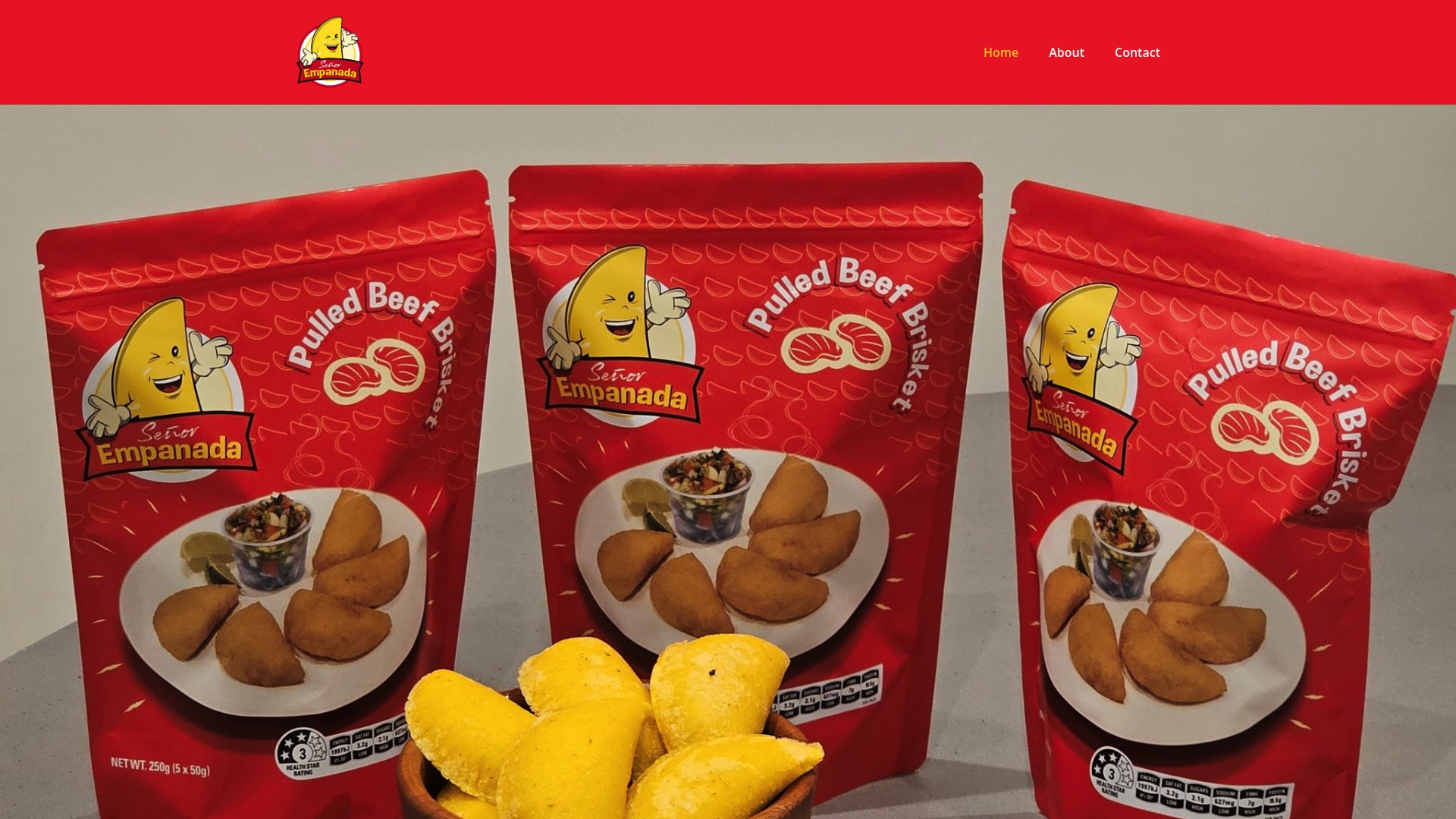
Whether you’re feeding kids at a birthday party or putting together a grazing table for adults, our kids party snacks range is built for exactly this kind of easy, crowd-pleasing spread, with portions sized for sharing and fillings that suit fussy and adventurous eaters alike. Order a party pack ahead of your next gathering and pair it with the rice, beans, and sauces from this list for a table that looks like it took all day, when really it took twenty minutes.
Sources
- What To Serve with Empanadas – The Foreign Fork
- Meet the empanadas of Latin America — Serious Eats
- Empanada — Wikipedia
FAQ
What are empanadas traditionally served with?
Empanadas are traditionally served with rice, beans, fresh salsas, and fried plantains, with regional versions adding condiments like ají or guasacaca depending on the dough and filling.
What do Argentinians serve with empanadas?
Argentine empanadas, typically baked with a wheat dough, are commonly served with chimichurri sauce and simple side salads rather than the heavier condiments used with fried corn-dough varieties.
Can empanadas be a meal on their own?
Yes, three to four empanadas per person with a side of rice, beans, or salad makes a complete meal, particularly when you mix a protein filling with a vegetarian one for variety.
How do you serve empanadas at a party?
Portion two to three per person as an appetiser, split platters between hot and room-temperature service, and put dips in small individual bowls so guests can help themselves without crowding one shared tub.
What sauce goes best with a cheesy empanada?
A chipotle crema or honey mustard works well with cheesy empanadas, since both add a touch of sweetness or smokiness that balances the saltiness of melted cheese.