
Wholesale empanadas in Australia typically cost between $2.20 and $4.50 per piece depending on size, filling and order volume, with most suppliers setting minimum orders around 50 to 100 units. Frozen stock runs cheaper than fresh due to shelf life and freight, and larger café or catering orders often unlock volume discounts. Some suppliers provide both café-scale and catering-scale orders across this range, with delivery timeframes that suit weekly restocking.
TL;DR:
- Most Australian wholesale empanadas cost between $2.20 and $4.50 per piece, with larger orders and frozen stock offering the best per-unit savings.
- Tiered pricing structures typically offer 10% to 30% discounts for orders above ten cases, but smaller initial orders are useful for testing demand before scaling up.
- Delivery fees are usually flat below a threshold and free above it, with metro areas receiving quicker turnaround and regional deliveries requiring longer lead times.
- Packaging options vary from bulk boxes for catering to retail-ready trays for cafés, with retail trays costing more but saving staff time on presentation.
- The main cost drivers are filling type, portion size, pastry complexity, and dietary options, all of which influence final menu pricing and customer reordering.
Table of Contents
- What do wholesale empanada prices look like in Australia?
- How do minimum orders and delivery work?
- What pack sizes and packaging options are available?
- What actually drives empanada cost up or down?
- How do you turn wholesale cost into a menu price?
- What should you ask before placing a wholesale order?
- How Senor Empanada approaches wholesale supply
- Why most wholesale pricing advice misses the point
- Ready to get a wholesale quote?
- Sources
- FAQ
What do wholesale empanada prices look like in Australia?
Price bands shift with three levers: order size, portion size and filling complexity. A small café ordering 50 pieces a week pays more per unit than a caterer stocking a freezer for a wedding season, and that gap is the entire logic of wholesale pastry pricing.
Australian pack listings give a useful anchor. Small-batch product pages show pricing such as 5 pieces for around $35, 10 for around $75, and larger “from” pricing on 25 and 50 packs, which puts single-item cost somewhere between $6 and $7 at the smallest scale, dropping as pack size grows, according to Bulk Empanada Packs. That’s retail-adjacent pricing, not true wholesale, but it shows the direction: smaller packs cost more per piece, always.
True wholesale tiers behave differently again. International supplier examples show a common structure worth understanding even though the figures themselves come from outside Australia: a single case at full price, a 10% discount from two to five cases, roughly 20% off for six to ten cases, and 25% to 30% off above ten cases, per Mosaicofrozen. US distributor listings show a similar spread, with case pricing on items like the Cuisine Innovations Beef Empanada, sold 100 per case, landing between roughly US$0.70 and US$3.50 per piece depending on size. Treat both as illustrative benchmarks, not Australian quotes.
Applied to an Australian context, a realistic tiered structure looks like this:
- Sample or trial order (10 to 50 units): highest per-piece cost, useful for menu testing rather than margin.
- Café-scale order (50 to 200 units): the sweet spot for most single-site cafés, with meaningful per-piece savings over trial pricing.
- Catering or multi-site order (200 to 500+ units): the best per-piece rate, assuming freezer capacity and steady turnover.
Fresh empanadas generally command a small premium over frozen stock, because frozen product ships and stores far more efficiently. If your kitchen can bake from frozen, that’s usually where the savings live.
How do minimum orders and delivery work?
Minimum order quantities protect suppliers from the cost of small, inefficient freight runs, and most Australian wholesalers set theirs at moderate unit amounts. Delivery structures typically follow a familiar pattern: a flat fee below a spending threshold, and free delivery once you clear it.
Metro service areas tend to get tighter turnaround than regional ones. One Sydney-focused wholesale page promotes delivery within the metro area alongside a claim that its frozen product cooks in around six minutes from frozen, per Empanadas SF’s wholesale page — treat marketing claims like that as a starting point for your own supplier questions, not a guarantee.
Practical points worth locking down before you order:
- Ask for the exact minimum order in units or dollar value, not just “a case”.
- Confirm whether delivery is weekly, fortnightly, or on request.
- Check cold-chain handling for regional or rural addresses, where transit time is longer.
- Clarify whether sample orders carry a different (usually higher) delivery fee.
What pack sizes and packaging options are available?
Commercial empanada packs commonly come in 5, 10, 25, 50 and 100 unit formats, sometimes packaged as bulk boxes for catering and sometimes as retail-ready trays for direct café display. The format you choose changes both your unit cost and how much labour you spend on presentation.
Bulk boxes are cheaper per piece but need repacking if you’re selling retail-style. Retail-ready trays cost more upfront but save staff time and look better in a display case. Frozen cartons store for months; fresh or thawed stock needs to move within days.
- Bulk catering boxes: lowest per-unit cost, best for events and back-of-house kitchens.
- Retail-ready trays: higher unit cost, minimal handling, suited to café counters.
- Frozen cartons: long shelf life, ideal for building buffer stock ahead of busy weekends.
Pro Tip: Order one retail-ready tray and one bulk box on your first purchase. Comparing how each performs on your counter over a week tells you more about real margin than any price list. For presentation ideas that reduce wastage on the counter, see this guide to empanada packaging fixes.
What actually drives empanada cost up or down?
Filling is the single biggest cost lever. Beef and chicken empanadas generally sit mid-range, vegetable fillings run cheaper thanks to lower ingredient cost, and vegan or premium protein fillings often carry a premium for specialty ingredients.
Portion size and pastry richness matter almost as much. A mini empanada for canapé service costs less per piece than a large, hand-crimped version with a butter-rich pastry, largely because of ingredient volume and the extra labour hand-finishing takes over machine-formed dough. The type of pastry used also affects freezer performance and reheat quality, which feeds back into how much wastage you’ll see on your side of the ledger.
- Filling type: vegetable cheapest, beef and chicken mid-range, premium or vegan fillings priced higher.
- Portion size: minis for platters, standard for retail, large for meal-replacement sales.
- Labour intensity: hand-crimped pastry costs more than machine-formed.
- Dietary requirements: gluten-free, dairy-free and halal options can carry a modest premium tied to certification and separate handling.
- Seasonal ingredient costs: beef and dairy prices fluctuate through the year and can shift wholesale rates slightly.
How do you turn wholesale cost into a menu price?
The formula is simple: wholesale cost per piece, plus prep and packaging, plus labour, plus your target margin, equals menu price. Most Australian cafés apply a markup typically double or more the landed cost, which covers overheads and leaves room for profit.
Three worked examples show how that plays out:
- Café single-serve: a $2.80 wholesale empanada, reheated and served with a napkin, retails around $7 to $8. That’s close to a 2.6x markup once you account for gas, staff time and packaging.
- Small catering platter: 20 empanadas at a discounted wholesale rate of $2.40 each ($48 total) plated with dips and garnish can retail as a $180 to $220 platter, factoring in delivery and presentation labour.
- Retail take-home pack: a 5-pack bought wholesale around $12 to $14 can retail at $25 to $30, particularly when positioned as a ready-to-bake home meal.
One supplier-published café model illustrates the scale worth aiming for: selling a substantial number of empanadas per week at a standard retail price generates meaningful weekly revenue once wholesale cost is subtracted, according to Argentum Empanadas’ café revenue example. Adding a side of chimichurri or a soft drink lifts average order value further, often more efficiently than discounting the empanada itself. For more café-specific numbers, this breakdown of snacks to sell in cafés is worth a look before you finalise your menu board.
What should you ask before placing a wholesale order?
Before committing to a supplier, get clear answers on price, logistics and food safety in a single conversation rather than piecing it together over email.
- Confirm the minimum order quantity and the per-unit price at each volume tier.
- Ask about delivery cost, lead time, and whether free delivery kicks in above a threshold.
- Request a sample order and ask what the sample pricing and turnaround looks like.
- Get shelf life, reheating instructions and any allergen declarations in writing.
- Clarify payment terms: upfront, on invoice, or a running account for repeat orders.
Use portion guidance to size your sample order sensibly. Ordering ten pieces per filling variety across your core flavours gives kitchen staff enough to test reheating consistency without wasting stock.
Pro Tip: Score your sample batch on three things only: reheat consistency, filling-to-pastry ratio, and how it looks after 90 seconds under a heat lamp. That’s the real test of counter performance, not how it tastes fresh off the fryer at a tasting table.

How Senor Empanada approaches wholesale supply
Senor Empanada sets tiered pricing around realistic café and catering volumes rather than one-size-fits-all case sizes, because a 40-seat café and a 300-guest wedding buy completely differently. Portion guidance follows the same per-person planning principle we recommend to every buyer, and packaging is chosen to protect pastry texture through freight, not just to look good on a shelf.
Why most wholesale pricing advice misses the point
Most guides to wholesale empanada pricing fixate on the lowest possible per-unit number, as if the cheapest case wins. That’s the wrong question for a café or caterer. The right question is: what unit cost supports a menu price your regulars will actually pay, without your kitchen drowning in wastage from stock you overbought to chase a discount?

The conventional advice to “buy the biggest tier for the best rate” only works if you have the freezer space and the weekly turnover to use it. A 300-unit catering tier is cheaper per piece than a 50-unit café tier, but it’s a false economy if a third of it goes stale before you sell it. We’d rather see an operator start at the smaller, slightly pricier tier, prove out demand for four to six weeks, and step up once the numbers justify it.
What we’d prioritise first isn’t the unit price at all. It’s the reheat consistency and the filling-to-pastry ratio, because those two things decide whether your customers reorder. Price only matters on stock people actually want to eat again.
— Senor Empanada
Ready to get a wholesale quote?
Senor Empanada bakes to traditional recipes with premium fillings, so your menu gets genuine Latin American flavour rather than a mass-produced imitation, backed by pricing tiers built for café and catering volumes rather than industrial-scale minimums.
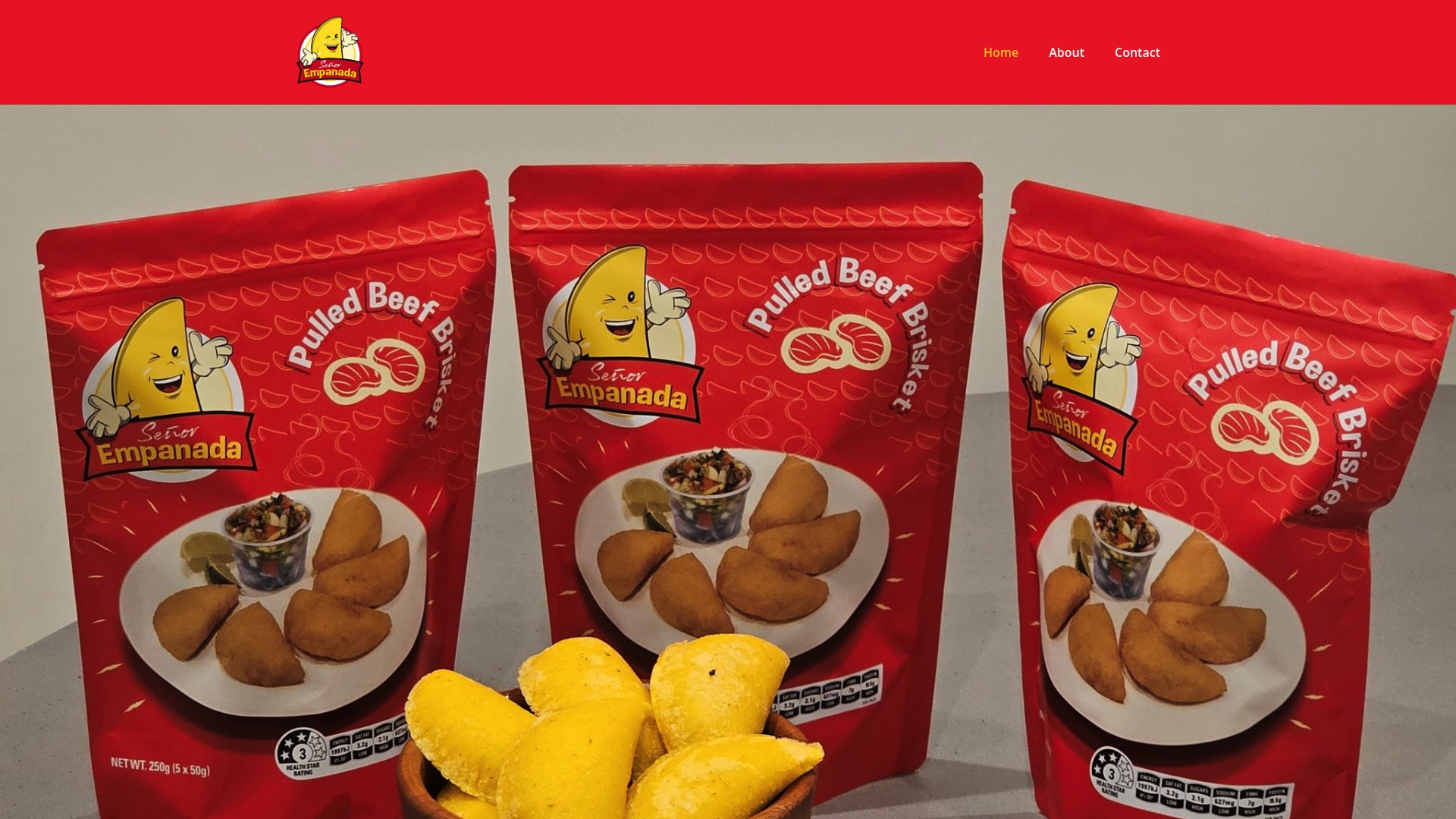
When you enquire, expect a straightforward process: a chat about your expected volume, a sample pack to test in your kitchen, and clear numbers on minimum order size and delivery before you commit to anything. Whether you’re stocking a café counter or planning a full catering menu, our Latin appetiser range gives you flavour variety without adding complexity to your prep line. Get in touch to arrange a tasting and a quote suited to your order size.
Sources
FAQ
What’s the typical minimum order for wholesale empanadas?
Most Australian suppliers set minimums somewhere between 50 and 100 units, though some accept smaller trial orders at a higher per-unit price.
Are frozen or fresh empanadas cheaper wholesale?
Frozen empanadas are usually cheaper wholesale, since freezing extends shelf life and reduces freight risk compared with fresh stock.
How long does delivery take for a wholesale order?
Metro deliveries are typically the fastest to schedule, with weekly or fortnightly cycles for repeat orders; regional and rural addresses generally need longer lead times for cold-chain handling.
Can I request a sample before ordering in bulk?
Many suppliers offer sample orders so you can test reheating performance and flavour fit before committing to a full wholesale order.
How much should I mark up wholesale empanadas on my menu?
A markup of roughly two to three times the wholesale cost per piece is standard across Australian cafés once packaging, labour and overheads are factored in.