Build your spread around a balanced mix of salty, creamy, crisp, briny and sweet, one-handed bites. That single rule covers most of what a wine night needs. Add a handheld pastry like an empanada to the mix, keep everything make-ahead where possible, and you’ve got a spread that works with nearly any bottle you pour, without a shopping list as long as your arm.
TL;DR:
- Most wine bar snacks should be eaten within two hours of outside time if they contain seafood, meat, or dairy, to prevent food safety risks.
- Ready-made empanadas can serve as the hot handheld option, needing only reheating and fitting into a batch-and-refill serving style.
- Pair salty or rich foods with wines that have bright acidity, bubbles, or enough texture, such as sparkling wine, a crisp white, or a textured Chardonnay.
- Incorporating simple presentation techniques like grouping snacks by temperature and height enhances the spread’s visual appeal without complexity.
- Using a versatile, fruit-forward wine like a dry rosé or light red simplifies pairing and reduces the need for multiple bottles during a gathering.
Table of Contents
- Wine bar snacks: the top 10 easy picks that work with almost any bottle
- Simple pairing rules for snacks that go with wine
- Keeping snacks safe: the 2 hour/4 hour rule for wine nights
- Make-ahead and portioning tips for empanadas
- Presentation ideas that make snacks feel like a wine bar spread
- Why simple snacks work better than fussy ones
- Order-ready empanadas for your next wine night
- Sources
- FAQ
Wine bar snacks: the top 10 easy picks that work with almost any bottle
The best wine bar snacks share three traits: they’re eaten in one hand, they hold their texture for an hour or two, and they don’t fight the wine for attention. Food & Wine’s own appetizer guidance backs this up, recommending 2 to 3 appetizers for every 10 guests rather than a single showpiece dish. Here’s a shortlist that covers the full flavour spectrum.
- Empanadas. A handheld pastry with a savoury filling is close to the ideal wine-bar snack, it’s warm, portable and endlessly adaptable. Señor Empanada’s beef and cheese varieties pair with almost anything from a light red to a crisp lager-style white, and they reheat from frozen in minutes.
- Marinated olives. Briny, oily, and ready in seconds if you buy them pre-marinated. Serve in a small bowl with a spare dish for pits.
- Seasoned nut mix. Smoked almonds, spiced cashews or a simple mixed nut bowl with sea salt bring crunch and fat, both of which love a glass with good acidity.
- Crostini with a simple topping. Toasted baguette slices with ricotta and honey, or tapenade and goat’s cheese, take ten minutes and look far more polished than the effort involved.
- Small-format cheeses. Pre-cut wedges of cheddar, brie or manchego need zero prep beyond slicing. Keep a mix of hard and soft for textural variety.
- Tinned fish on toast. Sardines or good-quality tuna on grilled sourdough is a wine-bar staple in Europe for a reason, the salt and oil are made for wine with lift.
- Cured meats, single-serve. Small rolled portions of prosciutto or chorizo avoid the mess of a full charcuterie board while giving guests that same savoury payoff.
- Hummus with pita and carrot sticks. An easy vegan and gluten-friendly option (check your pita) that keeps well and travels without fuss.
- Popcorn or seasoned chips. Underrated at a wine bar. A light dusting of chilli or parmesan on popcorn gives you crunch and salt for almost no cost.
- Small sweets. Chocolate-dipped nuts or dates close out a tasting on a sweet, low-mess note, perfect alongside a fortified pour.
Keep toothpicks and small napkins on hand for anything sticky, and separate bowls for anything with a shell, pit or skin. Ready-made empanada options mean you can cover the “hot handheld” slot without touching the oven more than once.
Simple pairing rules for snacks that go with wine
Forget matching a specific cheese to a specific vintage. The more useful approach is pairing by dominant flavour and texture, salt, fat, acid, spice and sweetness, because that’s what actually interacts with what’s in your glass. Decanter’s pairing guidance makes exactly this point: fried or salty foods want a wine with cleansing acidity or bubbles, while rich or creamy bites need something with enough texture to stand up to them.
A few rules worth memorising:
- Salt plus fat (olives, cured meats, cheese) wants bubbles or a wine with bright acidity to cut through.
- Sweet snacks need a wine that’s at least as sweet as the food, otherwise the wine tastes sour by comparison.
- Spice or chilli calls for a touch of natural sweetness or lower alcohol in the glass to soften the heat.
- Rich, creamy textures (hummus, soft cheese) suit a textured white with some weight behind it, think an baked Chardonnay rather than a lean Pinot Grigio.
Applied to the list above: sparkling wine handles olives and popcorn beautifully, a crisp Sauvignon-style white lifts hummus and tinned fish, a textured Chardonnay carries soft cheese and crostini, and a light Pinot Noir sits comfortably next to empanadas and cured meats.
Statistic Callout: Sommelier Amanda McCrossin has demonstrated on air that everyday pantry snacks pair successfully with wine once you target salt, richness and crunch, no boutique ingredients required. One flexible bottle, chosen with those levers in mind, can carry a whole grazing spread rather than forcing you to open five.
Keeping snacks safe: the 2 hour/4 hour rule for wine nights
Anything creamy, seafood-based or meat-based counts as a potentially hazardous food once it’s out of the fridge. Food Standards Australia New Zealand’s 2-hour/4-hour guide gives a clear cumulative timeline: under 2 hours out of the fridge, it’s fine to refrigerate again or serve; between 2 and 4 hours, use it immediately and don’t return it to the fridge; past 4 hours, discard it. Track total time out, not just the current sitting, if a dip has already had an hour on the bench earlier, that clock keeps running.
Practical prep sequence for a wine night:
- Cook or assemble hot items (empanadas, crostini toppings) just before guests arrive.
- Keep dips, soft cheese and cured meats chilled until close to service, then bring out in small batches.
- Use a fridge thermometer if you’re catering an event, and label any dish that’s been sitting out for over an hour.
For outdoor tastings or winery visits, stick to compact, low-mess items and skip anything heavily vinegared, strong acidity or pickle brine can dull a delicate wine before you’ve even tasted it.
Pro Tip: Pack chilled items in an insulated bag with a cold brick for the drive, and don’t open the bag until you’re ready to plate, every extra minute at room temperature counts toward that 4 hour limit.

Make-ahead and portioning tips for empanadas
Experience at events shows that batch size and timing matter more than the recipe itself. A good rule of thumb is to plan on 12 to 18 empanadas per 20 guests as a starting point, then refill every 20 to 30 minutes depending on how quickly the tray empties.
- Batch and hold. Bake or reheat in batches of a dozen rather than all at once, so later servings taste as good as the first.
- Reheat properly. Frozen or par-baked empanadas need a hot oven, not a microwave, to keep the pastry crisp rather than soft.
- Offer dietary swaps. Keep a cheese or vegetable filling on the tray alongside beef, and consider an arepa for guests avoiding gluten.
- Set up a sauce station. A small selection of sauces lets guests dial heat or acidity up or down to match their glass, rather than committing the whole batch to one flavour.
Pro Tip: Put chilled sauces in their own small bowls away from the hot pastries, wet and dry never mix well on a grazing table.
Presentation ideas that make snacks feel like a wine bar spread
Presentation does a lot of the heavy lifting when a spread is otherwise simple. Group snacks by temperature and texture rather than by type, hot items on one board, chilled items on another, so nothing goes soggy waiting for its neighbour to be eaten.
Height and colour matter more than most hosts expect. A tiered stand or a couple of upturned bowls under a platter breaks up a flat table and makes even modest snacks look considered. Slate boards or dark ceramic plates make pale foods like hummus and cheese pop, while a simple timber board flatters darker items like olives and cured meats.
Small labels next to each dish, even handwritten ones, do double duty: they tell guests what’s in front of them and flag allergens like nuts or gluten without anyone having to ask. Toothpicks in a small glass, rather than scattered loose, keep the table looking tidy through a three-hour tasting.
For empanadas specifically, standing them upright in a lined basket or on their crimped edge shows off the pastry seal and keeps the filling from leaking onto the plate. A small dish of dipping sauce alongside adds colour and signals to guests that it’s meant to be eaten by hand, no cutlery required.

Why simple snacks work better than fussy ones
Wine tasting doesn’t need to be gatekept behind expensive hors d’oeuvres. The best wine nights we’ve been part of ran on olives, nuts, good bread and a tray of empanadas refilled every half hour, not a caterer’s degustation menu.
What worked consistently was a handheld pastry station with a sauce bar next to it, guests could adjust their own heat and acidity without asking. Pick one versatile bottle, a dry rosé or a lighter red does the job, and let the snacks do the rest. Experimentation costs you nothing when the food is this forgiving.
— Senor Empanada
Order-ready empanadas for your next wine night
Senor Empanada gives you the one item on this list you don’t have to make from scratch: a handheld, flavour-packed pastry that’s ready to reheat rather than assemble.
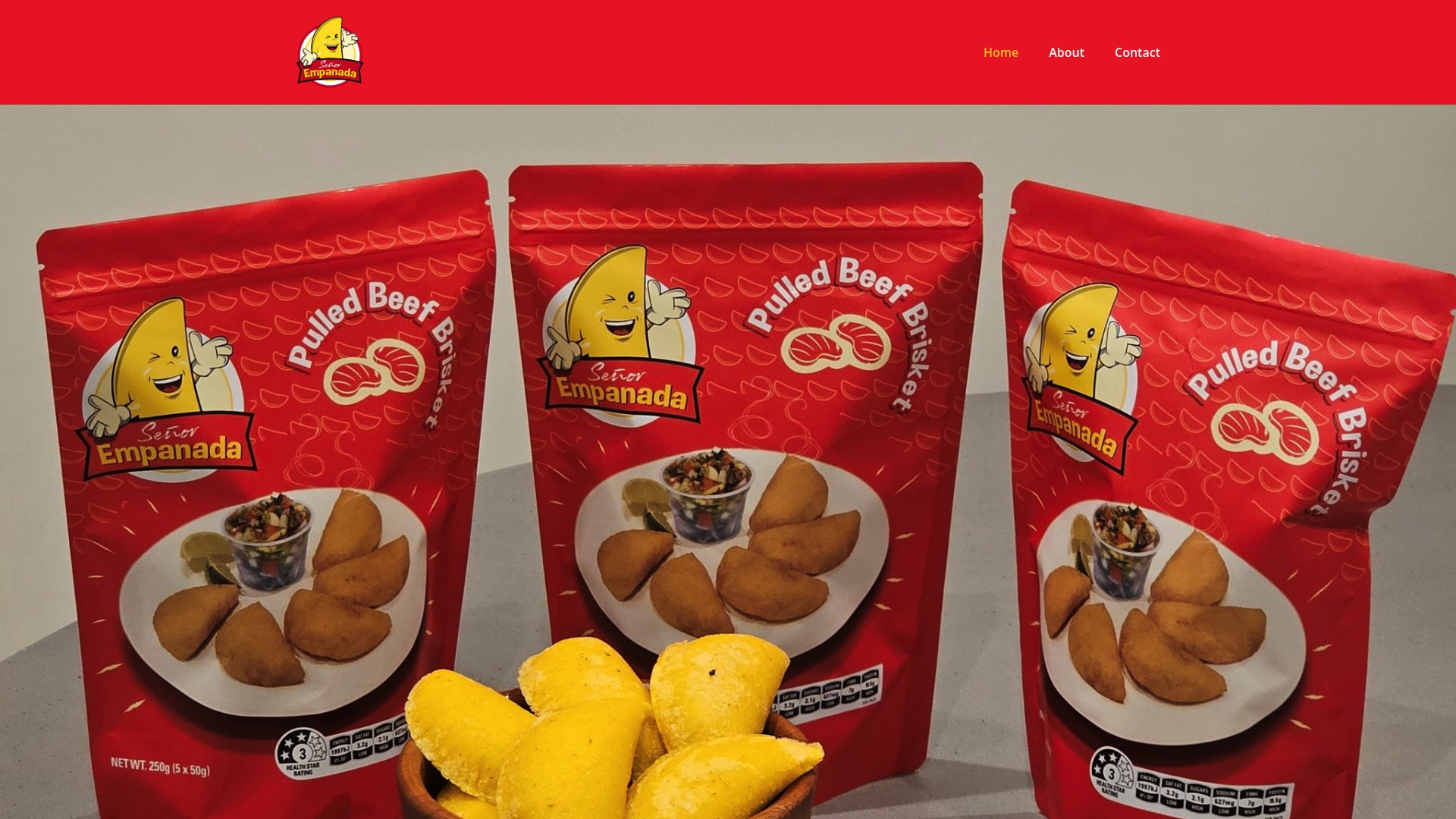
Where olives and cheese take minutes of prep, our empanadas and sauces arrive ready for the oven, no rolling pastry, no chopping fillings, no last-minute trip to the deli counter. The range includes traditional beef as well as cheese and vegetable options, covering a variety of dietary preferences including gluten-free. Each empanada is crafted from traditional recipes using quality ingredients, and are portioned individually, fitting well into a batch-and-refill serving approach. If you’re planning a tasting, a party or a café menu that needs a reliable handheld snack, browse the range of empanadas and sauces and place an order ahead of your next event.
Sources
- 20 Fabulous Appetizers for Wine Tasting
- 2 hour/4 hour guide — Food Standards Australia New Zealand
- Perfect wines for picky bits: expert pairing advice for al fresco summer grazing — Decanter
FAQ
What snacks should I serve at a wine party?
Aim for a mix of salty, creamy, crisp, briny and sweet bites, olives, small cheeses, nuts, crostini and a handheld pastry like an empanada cover most bases. Food & Wine recommends 2 to 3 appetizers per 10 guests, which keeps prep manageable without leaving anyone hungry.
What should a wine bar serve alongside its wine list?
Wine bars typically lean on one-handed, low-mess snacks such as marinated olives, cured meats, small cheese plates and warm handheld pastries. Empanadas fit this format well because they’re portable, reheat quickly and pair across red, white and sparkling styles.
What are some easy bar snacks I can make myself?
Marinated olives, a spiced nut mix, crostini with a simple topping, and popcorn dusted with chilli or parmesan all take just minutes. Most of these need no cooking at all beyond assembly, which keeps a home bar spread genuinely low-effort.
What snacks should I bring to a winery for tasting?
Stick to compact, dry, low-mess options like nuts, crackers, hard cheese and dried fruit, anything that won’t leave a mess or overpower delicate wines with strong vinegar or heavy spice. Skip pickled or heavily marinated items if you’re tasting anything subtle.
How long can wine bar snacks safely sit out?
Follow the 2 hour/4 hour cumulative rule for anything creamy, meat-based or seafood-based: under 2 hours it’s fine to refrigerate or serve, between 2 and 4 hours use it straight away, and past 4 hours it should be discarded. Track total time out of the fridge across the whole event, not just the current sitting.