
No, empanadas are not inherently spicy. Whether one sets your mouth on fire or arrives warm and savoury comes down almost entirely to recipe and region, not the pastry itself.
A classic central Argentine beef empanada leans on cumin and paprika for warmth, not fire. Head north to Salta, though, and the story changes: Salteñas get their kick from locoto peppers folded straight into the filling. Across much of Latin America, the safer habit prevails anyway: bake the filling mild, then let diners add their own heat.
- Central Argentine empanadas: savoury, rarely hot
- Salteñas from Salta: often genuinely spicy from locoto peppers
- Most regions: heat served separately as a sauce, so you choose your own intensity
At Senor Empanada, our own recipe development follows the same logic chefs have used for generations. Spice is a tool, not a default setting.
Key Takeaways
Empanada heat is determined by regional recipe tradition and added chilli ingredients, not by the pastry itself, and side sauces remain the most common way diners adjust spiciness.
| Point | Details |
|---|---|
| Verdict | Empanadas are not inherently spicy; heat depends on regional recipe and chilli ingredients used. |
| Regional cue | Salteñas from Salta are typically spicier due to locoto peppers, while central Argentine styles stay mild. |
| Ingredient check | Cumin and paprika signal flavour, while aji, rocoto, jalapeño, and chipotle signal real heat. |
| Sauce strategy | Ordering sauce on the side, like Colombian ají, lets you control heat rather than guess at it. |
| Home adjustment | Removing chilli seeds, adding dairy, or swapping in smoked paprika all lower heat quickly. |
Table of Contents
- What affects an empanada’s spice level
- Common empanada spices and fillings, decoded
- Regional empanada styles, from mild to fiery
- How sauces let you control the heat yourself
- How to make empanadas milder or spicier at home
- Why Señor Empanada’s take on spice holds up
- Our take on the spice question
- Sources
- FAQ
What affects an empanada’s spice level
Heat in an empanada comes from one ingredient family: capsaicin, the compound in chilli peppers that triggers that burning sensation on your tongue. Everything else in a filling, no matter how fragrant, is doing a different job.
Fresh chillies, dried chillies, chilli powders, and bottled hot sauces all deliver capsaicin, but at wildly different concentrations. A fresh jalapeño folded into a beef filling brings a manageable, grassy heat. A dried chipotle or a spoonful of cayenne concentrates that same compound into something far more intense per gram. Hot sauce sits somewhere in between, depending on the chilli it’s made from and how long it’s been fermented.
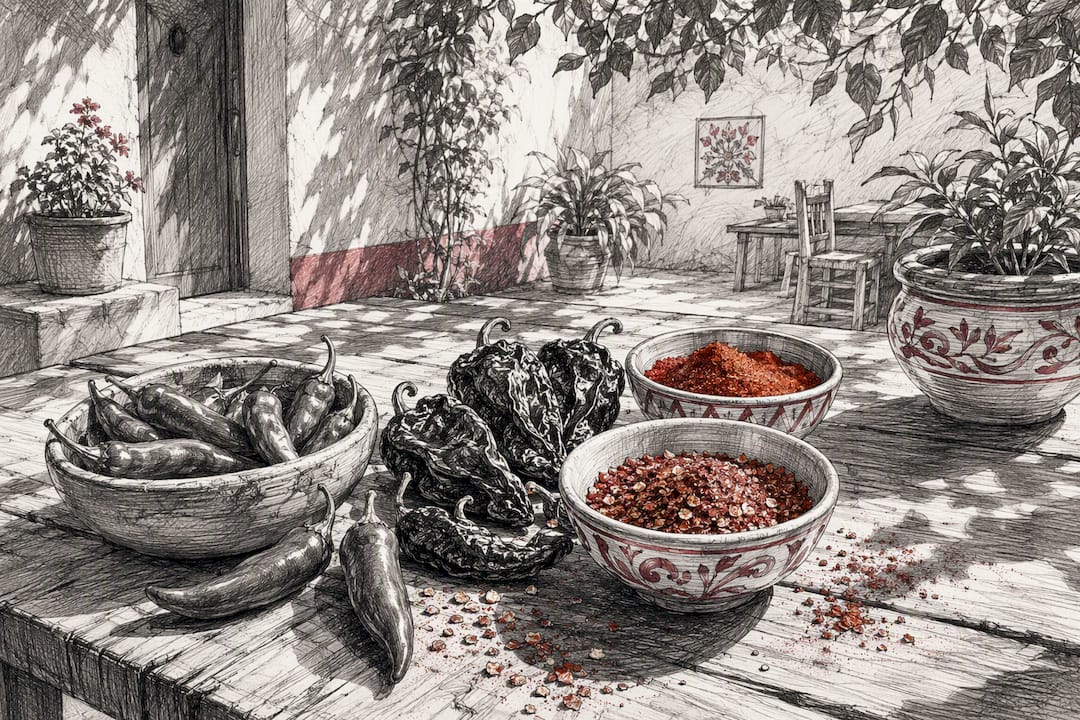
Here’s where a lot of home cooks get confused: cumin, paprika, and similar warming spices don’t contain capsaicin at all. They add earthiness, colour, and a gentle background warmth, but they will never make a dish “hot” in the chilli-pepper sense. Smoked paprika, in particular, mimics the smokiness of a chipotle without any of the burn, which is why so many mild recipes lean on it heavily.
Cooking method matters too. Heat that’s sautéed into a filling early tends to mellow as it simmers with onion, tomato, and stock. Chilli added raw or stirred in at the very end retains more of its punch. That’s one reason two cooks working from the “same” recipe can produce empanadas with noticeably different heat.
- Identify the capsaicin source — check for named chillies, cayenne, or hot sauce in the ingredient list.
- Separate flavour spices from heat spices — cumin and paprika are flavour; chilli, aji, and rocoto are heat.
- Consider the cooking time — longer simmering generally softens perceived heat; late additions sharpen it.
- Check for a side sauce — its presence usually signals the filling itself was kept mild on purpose.
Pro Tip: If a recipe or menu doesn’t name a specific chilli, chances are it’s built for flavour rather than fire. Ambiguity is usually a sign of mild.
Common empanada spices and fillings, decoded
Reading an ingredient list is the fastest way to predict heat before you even take a bite. Some ingredients are doing flavour work; others are doing heat work, and confusing the two is where most “surprise spicy” moments come from.
Aromatics that build flavour without adding real heat include:
- Onion and garlic, the backbone of almost every savoury filling
- Cumin, for earthy warmth
- Paprika (sweet or smoked), for colour and gentle smokiness
- Oregano, common in Argentine-style fillings
- Bay leaf, used in slow-simmered beef mixtures
Ingredients that genuinely bring capsaicin heat include:
- Aji peppers, the backbone of Colombian and Peruvian sauces
- Rocoto, a fiery Peruvian chilli often used fresh
- Jalapeño, a moderate, accessible heat popular in Mexican-style fillings
- Chipotle, a smoked jalapeño that recipes like America’s Test Kitchen’s chorizo empanada use for both smoke and heat
- Cayenne and bottled hot sauce, added for a direct, concentrated kick
Filling type doesn’t guarantee a spice profile on its own. Beef fillings might carry cumin and paprika in one recipe and diced jalapeño in the next. Chicken fillings often skew milder, built on sofrito and light seasoning, though a Mexican-style version might add chipotle for smokiness. Cheese fillings are almost always mild, since dairy dilutes capsaicin’s punch rather than carrying it. Vegetable fillings vary the most, swinging from a mellow spinach and ricotta mix to a roasted corn and rocoto combination.
Regional empanada styles, from mild to fiery
Geography predicts heat more reliably than filling type. Certain regional names carry a spice reputation built over generations, and knowing them means you can anticipate what’s coming before you order.
- Central Argentina: The classic beef empanada relies on cumin, paprika, and slow-cooked onion. Genuinely mild, this is the benchmark “savoury, not spicy” empanada most people picture first.
- Salta, in the country’s north: Salteñas are famously juicier and hotter, built on locoto peppers that give the filling real bite. If a menu specifically calls out “Salteña-style,” expect noticeable heat.
- Chile and Peru: Moderate heat built around local aji varieties. Rarely as intense as a Salteña, but a step up from the central Argentine baseline.
- Mexico and the Caribbean: Spice level swings widely depending on the cook and the peppers on hand, from mild cheese-and-chicken versions to fillings built around chipotle or serrano.
- Colombia and Venezuela: Corn-based empanadas, made with a distinctive cornmeal dough, are typically kept mild in the pastry itself and served alongside ají, so the diner decides how hot the meal gets.
The pattern holds across almost every regional style worth knowing: heat is a deliberate choice tied to local pepper varieties, not a universal trait of “empanada” as a category. If you want to try the range yourself, a roundup of regional empanada recipes makes the mild-to-fiery spectrum easy to see side by side.
How sauces let you control the heat yourself
Most Latin American kitchens solved the spice problem centuries before “customisable heat” became a menu buzzphrase. Instead of baking chilli into every filling, they built a culture of side sauces, so the pastry stays approachable and the fire, if you want it, comes from a spoon.
Aji (Colombian) is a fresh, punchy table sauce built from chilli, coriander, and lime, and it’s the classic partner for corn-based empanadas. Chimichurri, the Argentine herb and vinegar sauce, brings brightness and acidity rather than heat, cutting through rich beef fillings without adding much capsaicin at all. Crema or yoghurt-based coolers do the opposite job of hot sauce: they mute heat rather than add it, which makes them handy for guests who found their empanada spicier than expected. Bottled hot sauce sits at the aggressive end, letting confident eaters push past whatever heat the filling started with.
- Ask before you order. Vendors and servers almost always know their own recipe’s heat level, and most are happy to confirm it.
- Scan the ingredient list. Words like “aji,” “rocoto,” or “chipotle” are your clearest warning; “cumin” and “paprika” are not.
- Take a small test bite first, especially with an unfamiliar regional style, before committing to a full mouthful.
Pro Tip: When you’re hosting, keep sauces on the side rather than mixed in. It turns one batch of empanadas into a spread that suits mild and adventurous eaters alike.
How to make empanadas milder or spicier at home
Adjusting heat is one of the easiest edits you can make to any empanada recipe, whether you’re toning a filling down for kids or turning it up for yourself.
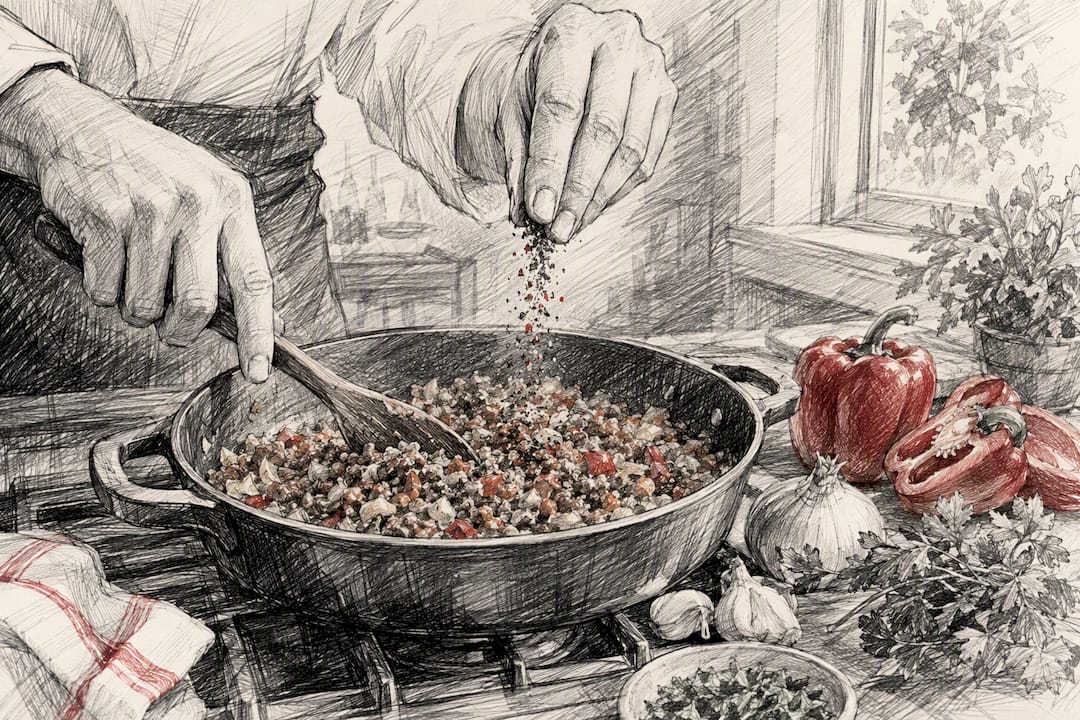
To reduce heat: remove the seeds and inner membranes from any fresh chilli you’re using, since that’s where most of the capsaicin concentrates. Swap a portion of chilli powder for smoked paprika to keep the colour and smokiness without the burn. Stirring in a spoonful of dairy, like sour cream or a yoghurt-based crema, or a splash of lime, both blunt heat that’s already in the mix.
To add heat: fold finely chopped fresh chilli straight into the filling rather than relying on powder, which loses potency over time. Mixing a spoonful of hot sauce directly into the meat or vegetable mix distributes heat more evenly than sprinkling powder on top. Reaching for a hotter dried chilli, like chipotle or a dried aji, gives a deeper, smokier heat than cayenne alone.
- When buying, request sauce on the side rather than mixed in
- Ask specifically for “mild, medium, or hot” rather than a vague “is it spicy?”
- Take a cautious first bite with anything unfamiliar before eating the rest
Why Señor Empanada’s take on spice holds up
Getting the balance right between flavour and heat takes practice, and it’s a large part of what our kitchen focuses on. Every filling we develop starts from the same principle culinary experts return to again and again: spices should support the protein, not overpower it.
That shows up in how we build recipes:
- Detailed pastry technique guides that explain how dough thickness and fold affect how filling flavours come through
- A gluten-free dough guide for cooks adapting fillings without losing texture
- Recipe testing that treats chilli as an optional layer, added deliberately rather than by default, echoing the same balance-first approach chefs describe when perfecting a filling
If you want to see the mild-to-spicy range in practice, our guide on what empanadas actually are walks through the basics before you commit to a spicier regional variation.
Ready to taste the difference between a savoury classic and a proper Salteña-style kick? Explore our pastry and recipe guide and build a filling that suits your own heat tolerance from the first bite.
Our take on the spice question
The conventional advice on empanada heat tends to stop at “it depends on the region,” which is true but not particularly useful when you’re standing at a counter deciding what to order. What actually matters is learning to read a filling before you commit to it, the same way you’d check a curry’s colour or a chilli’s shape before eating.
We think too much attention goes to regional labels and not enough to ingredient literacy. Knowing that Salta produces spicier empanadas is trivia. Knowing that “aji” or “rocoto” on an ingredient list means real heat, while “cumin” and “paprika” mean flavour only, is a skill you can use every single time you order or cook, regardless of region.
If there’s one habit worth building, it’s this: ask before you eat, or check the ingredient list before you cook. Heat in an empanada is almost always a deliberate choice someone made, not an accident of the format. Treat it that way and you’ll rarely be caught off guard.
Sources
- Empanada — Wikipedia
- Beef empanadas with spicy chorizo filling | America’s Test Kitchen
- Types of empanadas — Serious Eats
FAQ
How would you describe an empanada?
An empanada is a filled pastry, typically baked or fried, made from a folded dough pocket holding a savoury or sweet filling such as beef, chicken, cheese, or vegetables.
Are empanadas supposed to be hot in temperature?
Empanadas are generally served warm, straight from the oven or fryer, though some styles are enjoyed at room temperature as a portable snack.
Can empanadas be spicy?
Yes, some empanadas are genuinely spicy, particularly Salteñas from Salta and certain Mexican or Chilean styles that use fresh or dried chillies directly in the filling.
How unhealthy is an empanada?
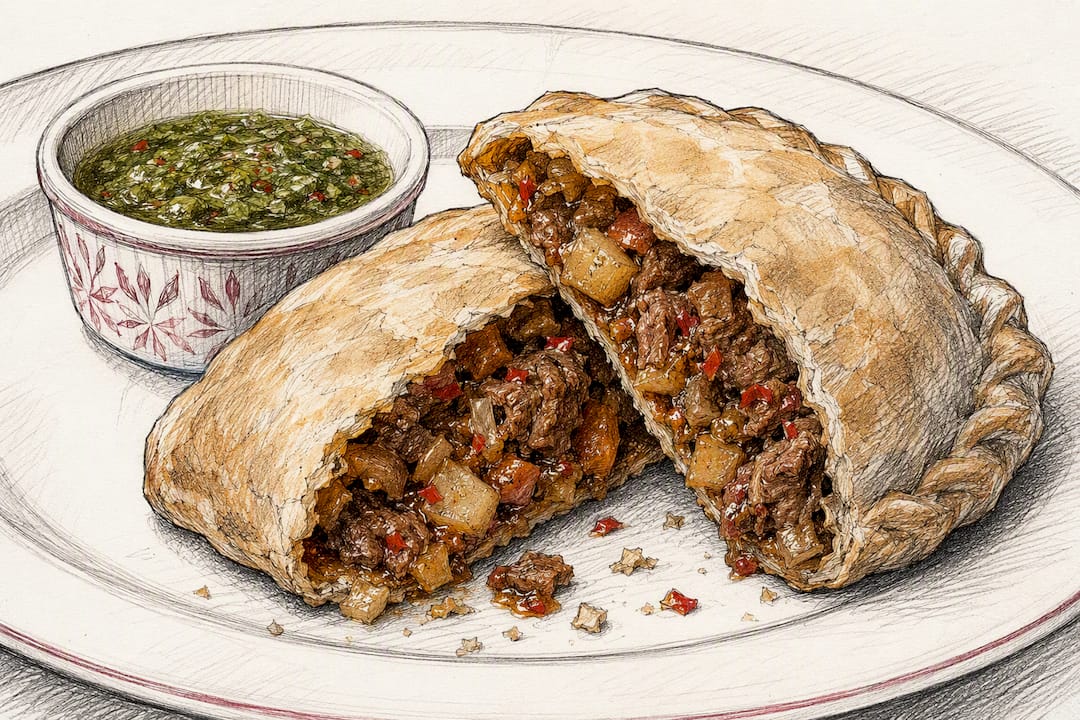
It depends heavily on cooking method and filling. Baked versions are generally lower in fat than deep-fried ones, and one example baked beef empanada comes in around 298 calories with roughly 10 grams of protein, though figures vary widely by recipe.