Arepas and gorditas look similar on the plate, but they come from different culinary traditions and behave quite differently in the kitchen. The single most decisive difference is the flour: arepas use masarepa (pre-cooked cornmeal that rehydrates instantly into a smooth, pliable dough), while gorditas use masa harina (nixtamalised corn flour that produces a coarser, earthier dough). The second key difference is cultural role: arepas are a daily bread staple in Venezuela and Colombia, eaten at breakfast, lunch, and dinner, while gorditas belong to the world of Mexican street food, sold at market stalls and roadside stands.
Both are stuffed corn cakes, and both are split open after cooking to receive their fillings. That shared structure is where the similarity ends.
| Dimension | Arepa | Gordita |
|---|---|---|
| Origin | Venezuela / Colombia | Mexico |
| Core flour | Masarepa (pre-cooked cornmeal) | Masa harina (nixtamalised corn flour) |
| Dough texture | Smooth, soft, pliable | Slightly coarser, earthier |
| Filling timing | Split and stuffed after cooking | Split or slit after cooking (or deep-fried as a pocket) |
| Typical cooking | Griddle, bake, or fry | Griddle or shallow/deep fry |
| Cultural role | Daily household staple | Street food snack |
At a glance, the key distinctions are:
- Masarepa vs masa harina: different corn processing, different flavour and texture
- Arepas are thicker and breadier; gorditas puff more dramatically when fried
- Both are stuffed after cooking (unlike pupusas, which are filled before)
- Arepas span every meal of the day; gorditas are primarily a snack or quick meal
Table of Contents
- What makes an arepa? origins, dough, and cooking methods
- What makes a gordita? Mexican origins, masa dough, and texture
- How do arepas and gorditas compare side by side?
- How to make arepas and gorditas at home
- What to put inside: fillings, toppings, and accompaniments
- When and how people eat arepas and gorditas
- Where to buy ingredients or ready-made options in Australia
- Key takeaways
- Why the flour matters more than most people realise
- Authentic Latin flavours, ready when you are
- Further reading and sources
- FAQ
What makes an arepa? origins, dough, and cooking methods
Arepas trace their origins to the indigenous peoples of present-day Venezuela and Colombia, where ground corn has been shaped and cooked on flat griddles for centuries. Today, the arepa is made from masarepa, a pre-cooked cornmeal that is simply mixed with water and salt to form a dough. Because the corn is already cooked during processing, the dough comes together in minutes with minimal kneading, which is part of why arepas are such a practical everyday food.
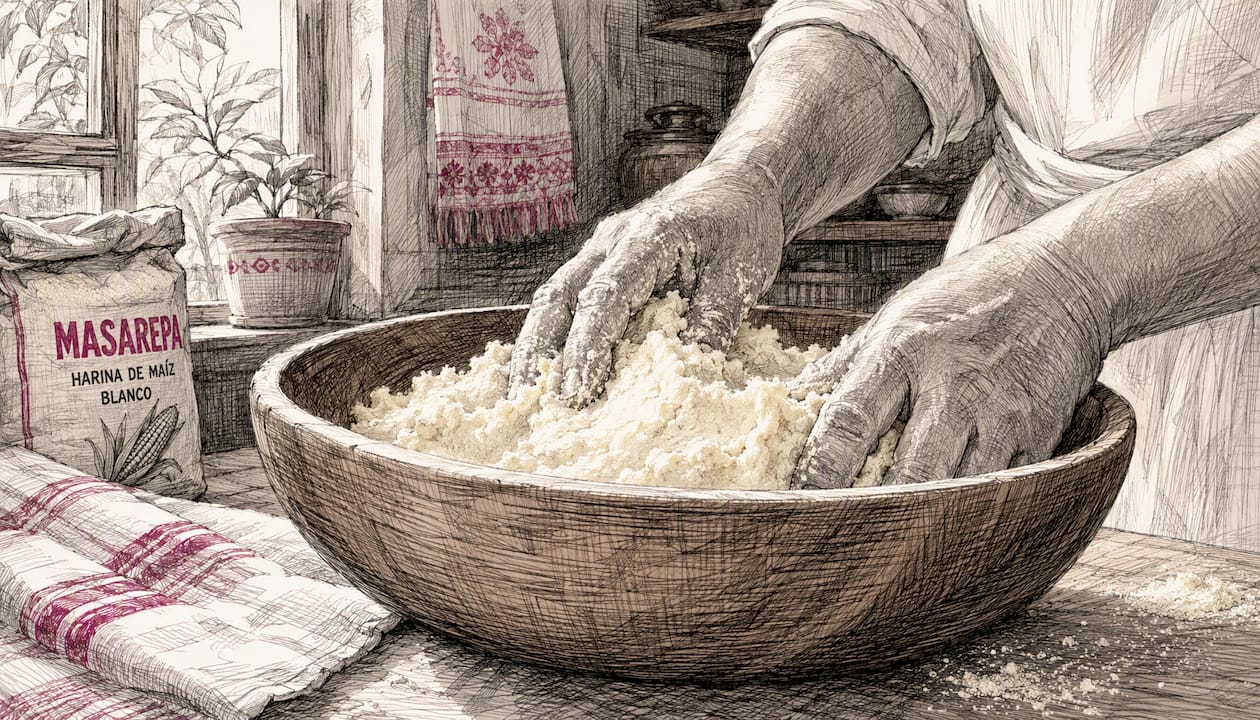
The resulting dough is smooth and slightly dense, forming a round patty roughly 1–2 cm thick. On the griddle, the outside develops a golden, lightly crisp crust while the interior stays soft and almost creamy. Baking produces a drier, more uniform crumb; frying gives a crunchier shell.
Regional variants and common fillings:
- Common fillings across both: shredded beef, black beans, blanca cheese, and avocado-based sauces
Pro Tip: The ideal hydration for masarepa dough is roughly equal parts flour and warm water by volume. Mix, then let the dough rest for 5 minutes before shaping. This brief rest allows the cornmeal to fully absorb the water, giving you a dough that holds together without cracking at the edges.
What makes a gordita? Mexican origins, masa dough, and texture
The word gordita translates literally to “little fat one” in Spanish, a nod to its plump, thick shape. Gorditas originate in Mexico and are made from masa harina, a corn flour produced through nixtamalisation, a process in which dried corn kernels are soaked and cooked in an alkaline solution (traditionally lime water) before being dried and ground. This process unlocks nutrients and gives masa its characteristic earthy, slightly mineral corn flavour, noticeably different from the milder taste of masarepa.
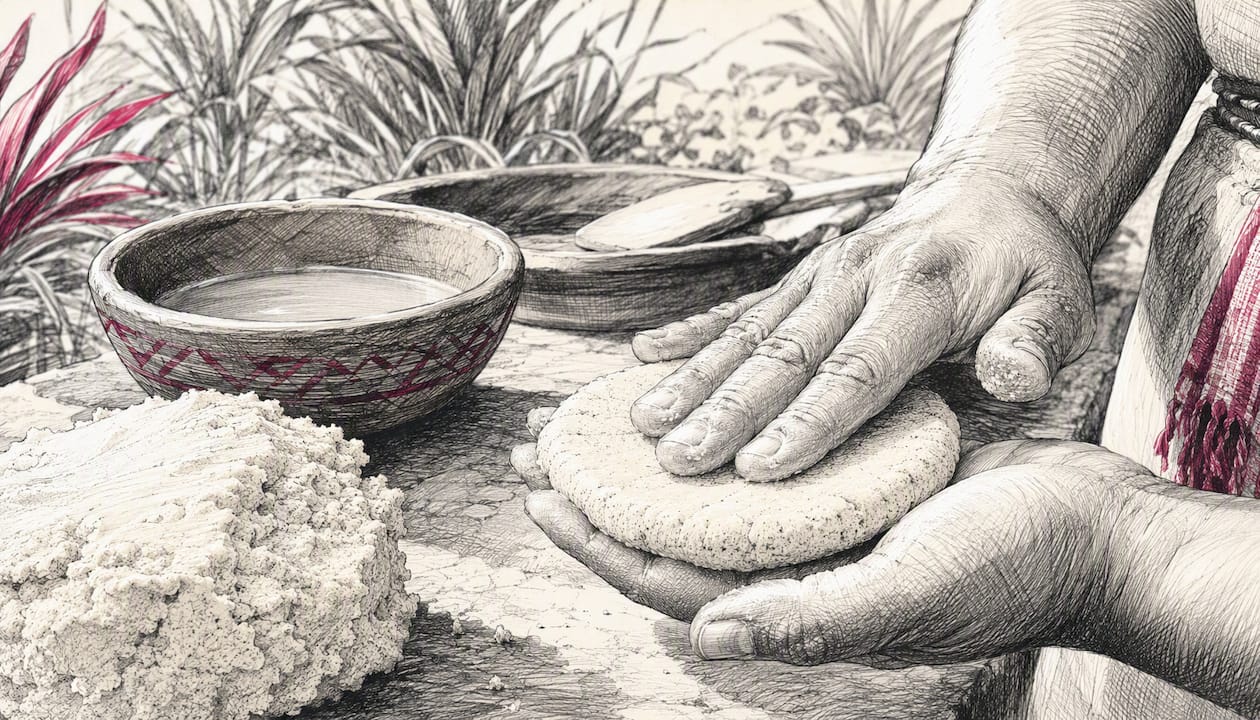
The dough is formed into thick rounds and cooked on a comal (griddle) or fried. When fried, gorditas puff up, creating a natural pocket that can be slit open and stuffed. Griddled gorditas are denser and require a deliberate slit to open them. Either way, the texture is slightly grainier and chewier than an arepa, with a more pronounced corn aroma.
Typical gordita fillings and accompaniments:
- Chicharrón (fried pork skin, often simmered in salsa)
- Guisados (braised meat or vegetable stews)
- Refried beans and cheese
- Fresh salsas, pickled onion, and crema
Pro Tip: To test gordita dough moisture, press a small ball flat and check the edges. If they crack, add water a teaspoon at a time. If the dough sticks to your hands, dust lightly with dry masa harina. The dough should feel like soft playdough, firm enough to hold its shape but smooth enough to press without splitting.
How do arepas and gorditas compare side by side?
The differences between arepas and gorditas come down to five dimensions: flour, origin, texture, cooking method, and cultural context. The table below captures each one cleanly.
| Dimension | Arepa | Gordita |
|---|---|---|
| Origin / cultural role | Venezuela & Colombia; daily bread substitute | Mexico; street food and market snack |
| Core flour and prep | Masarepa (pre-cooked); mix with water, minimal kneading | Masa harina (nixtamalised); mix with water, benefits from resting |
| Filling timing | Split and stuffed after cooking | Split or slit after cooking; deep-fried variants form a natural pocket |
| Thickness and texture | 1–2 cm thick; smooth, soft interior with a light crust | Thicker and puffier; slightly grainy, chewier interior |
| Cooking method | Griddle, bake, or fry | Griddle or shallow/deep fry |
| Typical fillings / serving | Carne mechada, reina pepiada, white cheese, black beans | Chicharrón, guisados, refried beans, fresh salsa |
The decisive differences in brief:
- Masarepa produces a milder, smoother corn flavour; masa harina is earthier and more mineral
- Arepas are breadier and more neutral, making them versatile across sweet and savoury fillings
- Gorditas have a more pronounced corn character and pair naturally with bold, spiced Mexican fillings
- Pupusas use masa harina too, but are filled before cooking, which is the key distinction that separates them from both arepas and gorditas
How to make arepas and gorditas at home
Both dishes are genuinely achievable for a home cook, provided you source the right flour. Here is a reliable method for each, plus troubleshooting notes for the most common issues.
Basic arepas (makes 4–6)
- Combine 2 cups masarepa, 2 cups warm water, and ½ tsp salt in a bowl
- Mix until a smooth dough forms, then rest for 5 minutes
- Divide into balls (roughly golf-ball size) and press into rounds about 1.5 cm thick
- Cook on a lightly oiled griddle or cast-iron pan over medium heat for 5–7 minutes per side until golden and a hollow sound appears when tapped
- Rest for 2 minutes, then split open with a knife and fill
Basic gorditas (makes 4–6)
- Combine 2 cups masa harina, 1.5 cups warm water, and ½ tsp salt
- Mix and knead briefly until the dough is smooth; rest for 10 minutes
- Form into thick rounds (about 2 cm)
- Griddle over medium heat for 4–5 minutes per side, or shallow-fry in vegetable oil until puffed and golden
- Slit open carefully while hot and fill
Troubleshooting:
- Crumbly dough: add water one tablespoon at a time and knead again
- Dense, gummy interior: the heat was too high; lower it and cook longer
- Gordita won’t puff: the dough may be too thick or the oil not hot enough (aim for 180°C)
Pro Tip: For both doughs, warm water (not boiling) gives the best hydration. Cold water under-hydrates masarepa and can make masa harina feel stiff and prone to cracking. A brief rest after mixing is the single most effective step most home cooks skip.
For a full arepa recipe with step-by-step technique, Senor Empanada’s guide covers hydration ratios, griddle temperatures, and filling combinations in detail. If you are curious about Latin American dough substitutions when specialty flours are unavailable, that resource covers practical swaps too.
What to put inside: fillings, toppings, and accompaniments
The fillings are where each dish really expresses its culinary heritage, and where you can have the most fun adapting to what is available in Australian supermarkets.
Arepa fillings and accompaniments:
- Carne mechada (shredded beef braised with tomato, onion, and cumin)
- Reina pepiada (shredded chicken mixed with avocado and mayonnaise)
- White cheese (queso blanco or a mild feta works well as a local substitute)
- Black beans with sour cream
- Guasacaca (Venezuelan avocado sauce, similar to a looser guacamole)
Gordita fillings and accompaniments:
- Chicharrón in salsa verde (pork crackling simmered in tomatillo sauce)
- Guisados: braised chicken tinga, potato and chorizo, or mushroom and epazote
- Refried black or pinto beans with crumbled cheese
- Fresh tomato salsa, pickled red onion, and Mexican crema
Australian substitutions worth knowing:
- Queso blanco: use mild feta or a fresh ricotta salata
- Mexican crema: full-fat sour cream or crème fraîche
- Chicharrón: pork belly crackling from a butcher or Asian grocer
- Tomatillos: green tomatoes with a squeeze of lime approximate the tartness
A curtido (lightly pickled cabbage slaw) is traditionally paired with pupusas, but it works beautifully alongside both arepas and gorditas, cutting through the richness of fried fillings. Our Latin flavours and spices guide covers pantry essentials for building authentic sauces and marinades.
When and how people eat arepas and gorditas
The cultural context shapes everything: the size, the filling, the time of day, and even how the food is held.
“Arepas are something you eat every single day in Venezuela. They are not a special occasion food. They are breakfast, they are dinner, they are what you make when you have nothing else in the house. The arepa is our bread.”
— Venezuelan chef Manuel Sucre, as quoted by 5280 Magazine
That daily, bread-like role means Venezuelan and Colombian arepas are sized for a meal, filled generously, and eaten at the table. Breakfast arepas might hold just butter and white cheese; dinner versions carry full braised meat fillings.
Gorditas, by contrast, follow a different rhythm:
- Sold at Mexican street markets and fondas (informal eateries) as a quick mid-morning or lunchtime snack
- Smaller and more portable than a meal-sized arepa
- Regional variations are significant: in some Mexican states, gorditas are deep-fried and sweet; in others, they are griddled and savoury
- The filling is chosen from whatever guisado is on offer that day, making them highly seasonal and local
This contrast matters when you are deciding which to make at home. If you want something that functions as a full meal and suits a wide range of fillings, arepas are the more flexible choice. If you want a punchy, street-food-style snack with bold, spiced fillings, gorditas deliver that experience.
Where to buy ingredients or ready-made options in Australia
Finding masarepa and masa harina in Australia is easier than it was a decade ago, though you may need to look beyond the main supermarket aisle.
Where to find masarepa and masa harina:
- Latin grocery shops: The most reliable source. Look for P.A.N. brand masarepa (yellow or white) and Maseca brand masa harina. Sydney, Melbourne, and Brisbane all have established Latin American grocers
- Online retailers: Several Australian online stores stock both flours with delivery nationwide; search for “masarepa Australia” or “masa harina Australia” on major platforms
- Some Woolworths and Coles stores in areas with larger Latin American communities carry Maseca masa harina in the international foods aisle
- Asian grocery stores occasionally stock masa harina alongside other specialty corn products
Shopping tips:
- Masarepa packaging should say “pre-cooked” or “harina de maíz precocida” — this is not the same as raw cornmeal or polenta
- Masa harina packaging should reference nixtamalisation or “cal” (lime) in the process description
- Both flours keep well sealed in a cool, dry pantry for several months
Pro Tip: Buy a small quantity of each flour first to compare the textures and flavours before committing to larger bags. The difference between masarepa and masa harina is immediately obvious once you taste the raw dough side by side.
For ready-made arepas in Australia, Senor Empanada offers authentic Latin American snacks including arepas, made from traditional recipes and available for direct order and event catering. Our Latin shop food guide covers where to source authentic ingredients across Australia.
Key takeaways
Arepas use masarepa and serve as a daily bread substitute in Venezuela and Colombia, while gorditas use nixtamalised masa harina and belong to Mexican street food culture, giving each a distinct flavour, texture, and place at the table.
| Point | Details |
|---|---|
| Flour is the defining difference | Arepas use masarepa (pre-cooked); gorditas use masa harina (nixtamalised), producing an earthier flavour. |
| Filling goes in after cooking | Both arepas and gorditas are split and stuffed after cooking, unlike pupusas which are filled before. |
| Cultural role shapes the dish | Arepas are an everyday household staple in Venezuela and Colombia; gorditas are a Mexican street food snack. |
| Cooking method changes texture | Arepas griddled or baked are soft and bready; gorditas fried are puffier and slightly grainier. |
| Senor Empanada for ready-made | Senor Empanada offers authentic arepas and Latin snacks for direct order and event catering in Australia. |
Why the flour matters more than most people realise
Most comparisons of arepas and gorditas focus on shape and filling, but the real story is in the corn itself. Masarepa and masa harina are not interchangeable flours that happen to produce similar results. They represent two entirely different approaches to corn as a food: one prioritises convenience and a mild, neutral base that carries fillings without competing with them; the other preserves the full mineral complexity of nixtamalised corn, which is why a gordita tastes unmistakably of Mexico even before you add a single filling.
We find that home cooks who try to substitute one flour for the other are often disappointed, not because the result is inedible, but because the dish loses its cultural identity. An arepa made with masa harina is denser and earthier than it should be. A gordita made with masarepa lacks the puff and the flavour depth that makes it worth the effort.
The practical takeaway: buy the right flour for the dish you want to make. Both are available in Australia, and the difference in the finished product is worth the extra trip to a Latin grocer or an online order.
Authentic Latin flavours, ready when you are
Craving the real thing without spending a Sunday afternoon in the kitchen? Senor Empanada crafts authentic Latin American snacks, including arepas, using traditional recipes and quality ingredients, available for direct order or event catering across Australia.
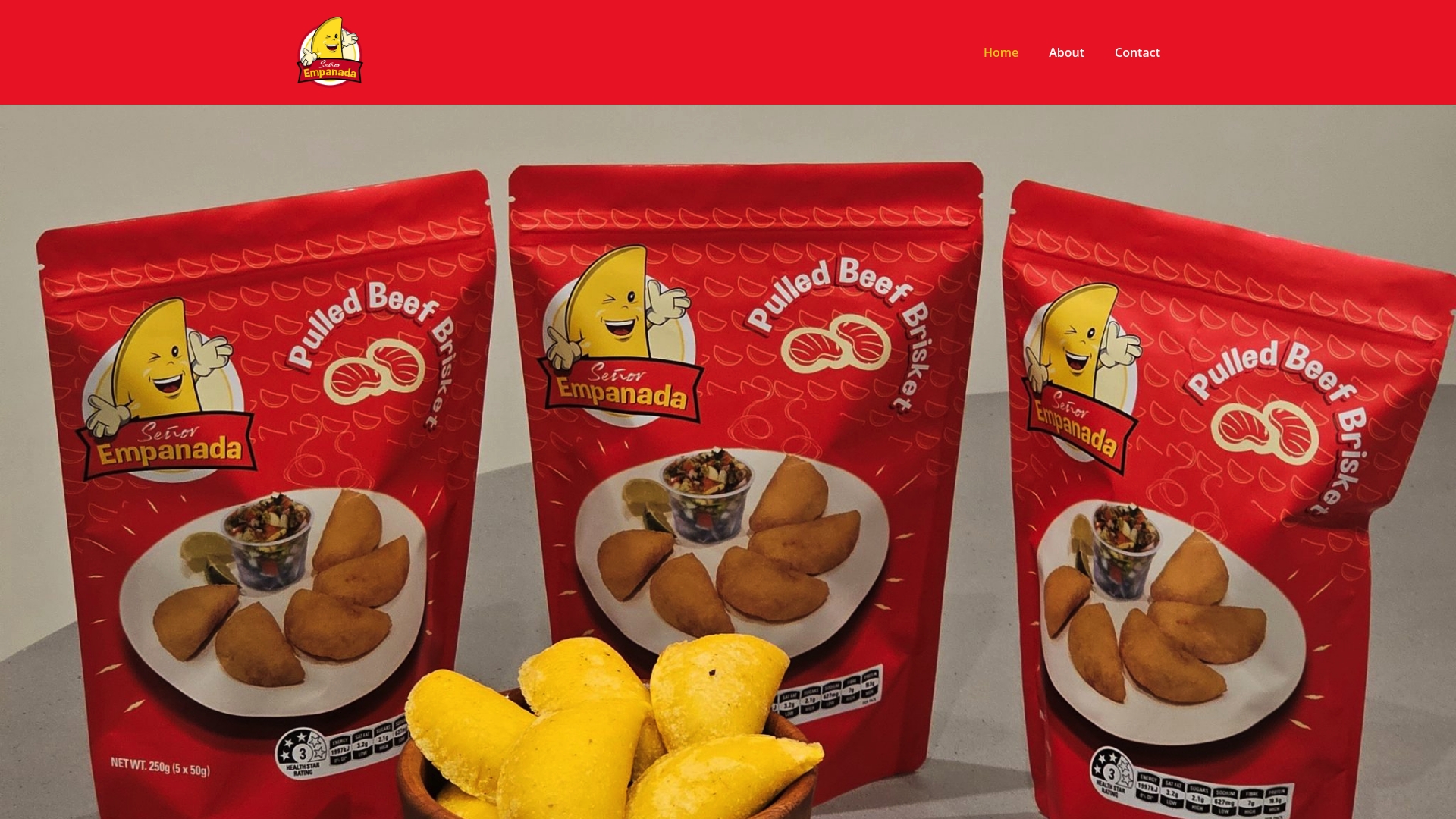
Whether you are planning a gathering and want a spread of genuine Latin flavours, or you simply want to try an arepa before committing to making them from scratch, our ready-made options bring the culinary tradition straight to your table. We also cater for events of all sizes, from intimate family meals to large celebrations, with a menu that goes well beyond arepas.
Browse our full recipe collection for inspiration, or head straight to our how-to-make-arepas guide to get started at home. To order ready-made snacks or enquire about catering, visit empanadas.au and get in touch with our team.
Further reading and sources
- Arepas, Pupusas, Gorditas — know your arepas, pupusas, and gorditas
- Arepas vs. Pupusas vs. Gorditas
- Arepa vs. Gordita: Understanding the Key Differences
- Arepas, Pupusas and Gorditas 【 Comparison of 3 delicacies 】
- Arepas, pupusas, and gorditas
- How to distinguish an arepa from a pupusa from a gordita
- Gordita – Wikipedia
FAQ
Are arepas and gorditas the same thing?
No. Both are stuffed corn cakes, but arepas use masarepa (pre-cooked cornmeal) and come from Venezuela and Colombia, while gorditas use nixtamalised masa harina and originate in Mexico, giving each a distinct flavour and texture.
What is the Mexican version of an arepa?
The closest Mexican equivalent is the gordita: a thick corn cake made from masa harina, cooked on a griddle or fried until puffed, then split and filled with savoury ingredients like chicharrón or guisados.
Are gorditas actually Mexican?
Yes. Gorditas are a traditional Mexican dish, associated with street food markets and regional cooking across Mexico, and made from masa harina produced through the distinctly Mexican process of nixtamalisation.
What are gorditas called in English?
There is no direct English translation in common use. The word gordita means “little fat one” in Spanish, referring to the dish’s plump, thick shape. Most English speakers simply use the Spanish name.
Can you use masa harina instead of masarepa for arepas?
Technically you can form a dough, but the result will be earthier, denser, and less smooth than a traditional arepa. For authentic flavour and texture, masarepa is the correct flour and is worth sourcing from a Latin grocer or online retailer in Australia.