
Most catering minimums fall between $150 and $600 for pick-up or drop-off orders, and climb well past $1,000 once you add staff or plated service. Notice windows typically run from 24 to 48 hours, though weekends and holidays often demand more. If your order sits below the floor, the fastest fixes are switching to pick-up, choosing a platter or boxed menu, or asking the caterer for a reduced-service package instead of walking away. Senor Empanada, for one, builds its catering menu around exactly these small-order scenarios.
TL;DR:
- Small orders can often be reduced to pick-up, platter, or boxed options that typically have lower or no minimums, saving costs.
- Catering minimums are usually set between $150 and $600 for delivery or drop-off, but staffed or plated services often require $600 to over $1,500.
- Meeting the minimum may involve merging orders, choosing off-peak times, or negotiating service levels, rather than simply increasing food quantity.
- Minimums are more flexible for recurring clients, charities, or during off-peak periods, and may be waived or adjusted if asked.
- Expect surcharges or fees for orders below minimums, with the most common being a shortfall fee or elevated delivery charge.
Table of Contents
- Understanding catering minimum order thresholds
- Why caterers set a minimum in the first place
- How to meet or avoid a catering minimum
- What to expect on lead times, guarantees and cancellations
- Practical tips from Senor Empanada on stretching small orders
- What happens if you don’t meet the minimum
- How minimums shift by catering style and cuisine
- Do catering minimums differ by region?
- How minimums shape what customers think a caterer is worth
- When caterers will waive or adjust a minimum
- Why the standard advice on minimums misses the point
- Small orders, real Latin flavour, no staffed-event price tag
- Sources
- FAQ
Understanding catering minimum order thresholds
Every caterer sets a spending floor because the maths of running a kitchen and a delivery van doesn’t work below a certain volume. That floor is what the industry calls a minimum, and it shows up in a few different shapes depending on the business and the service style.
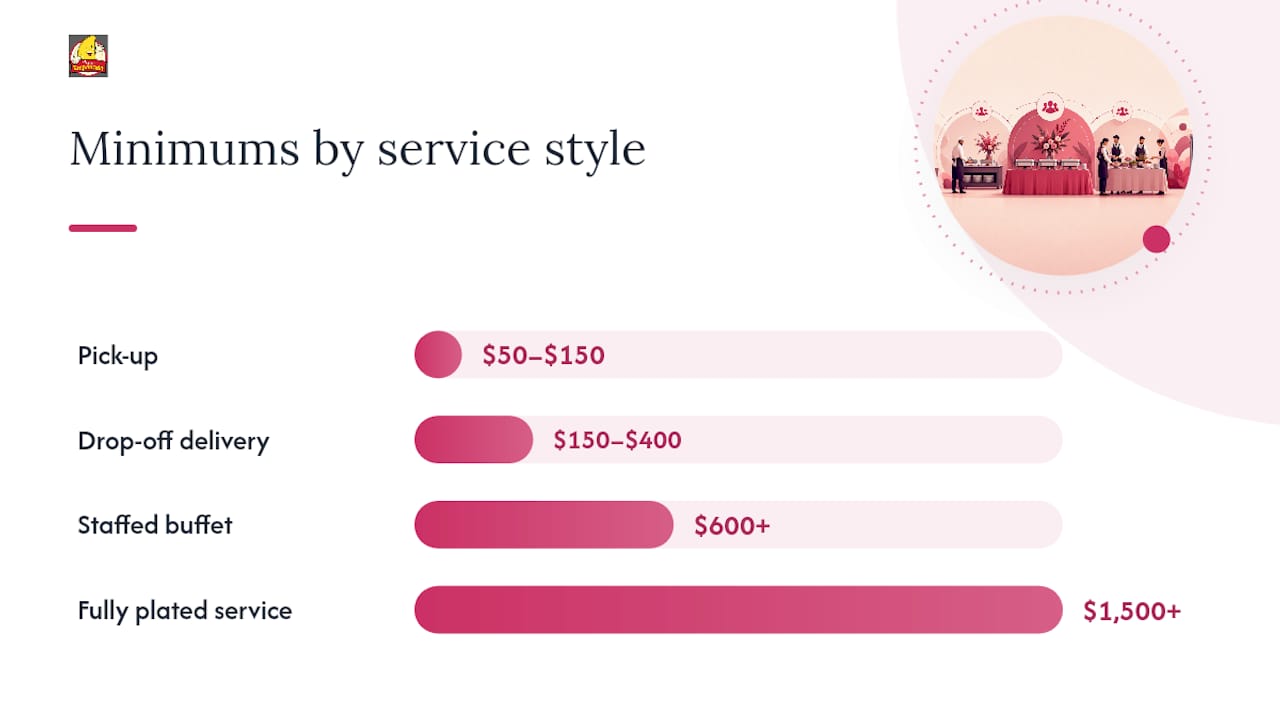
For a straightforward pick-up order, you’ll often see minimums as low as $50 to $150. Drop-off delivery, where food arrives packaged and ready to serve but nobody stays to plate it, usually sits in the $150 to $400 range. Once you move into a staffed buffet with servers on site, minimums commonly jump to $600 or more, and fully plated, seated service can push past $1,500 depending on headcount and menu complexity. These aren’t universal figures. Some Australian caterers publish minimum spend rules between $100 and $600 alongside 24 to 48 hour notice requirements, and the exact number depends heavily on the business, the day of the week, and the service level requested.
Weekends and public holidays tend to push minimums higher because kitchens are working at capacity and staff cost more to roster. Location matters too: a caterer delivering into a dense CBD might set a lower dollar minimum but a tighter delivery radius, while a regional or outer-suburb job often carries a higher minimum to offset travel time.
It also pays to know which type of minimum you’re actually looking at, because caterers don’t all express it the same way:
- Minimum order value — a flat dollar figure the total order must reach, regardless of headcount.
- Minimum guest count — a floor on the number of people being catered for, common with buffet and staffed packages.
- Per-person pricing with a floor — a set price per head that only kicks in once you hit a baseline number of guests, sometimes 10 or 15.
Knowing which structure you’re quoted against changes how you negotiate. A guest-count minimum can sometimes be met by adding sides or drinks; a dollar minimum almost always can.
Why caterers set a minimum in the first place
A minimum exists because preparation, packaging, and delivery cost roughly the same whether you’re feeding 8 people or 18, and a caterer needs the order value to clear that fixed cost before it’s worth taking on. Order minimums are essentially the spend threshold below which the job isn’t commercially viable for the provider, which is why you rarely see a caterer waive one just because you ask nicely.
Several fixed costs drive that number up:
- Transport and fuel for the delivery run
- Casual staff wages, particularly for anything beyond simple drop-off
- Equipment hire (chafing dishes, urns, servingware)
- Packaging designed to survive transit and still look good on arrival
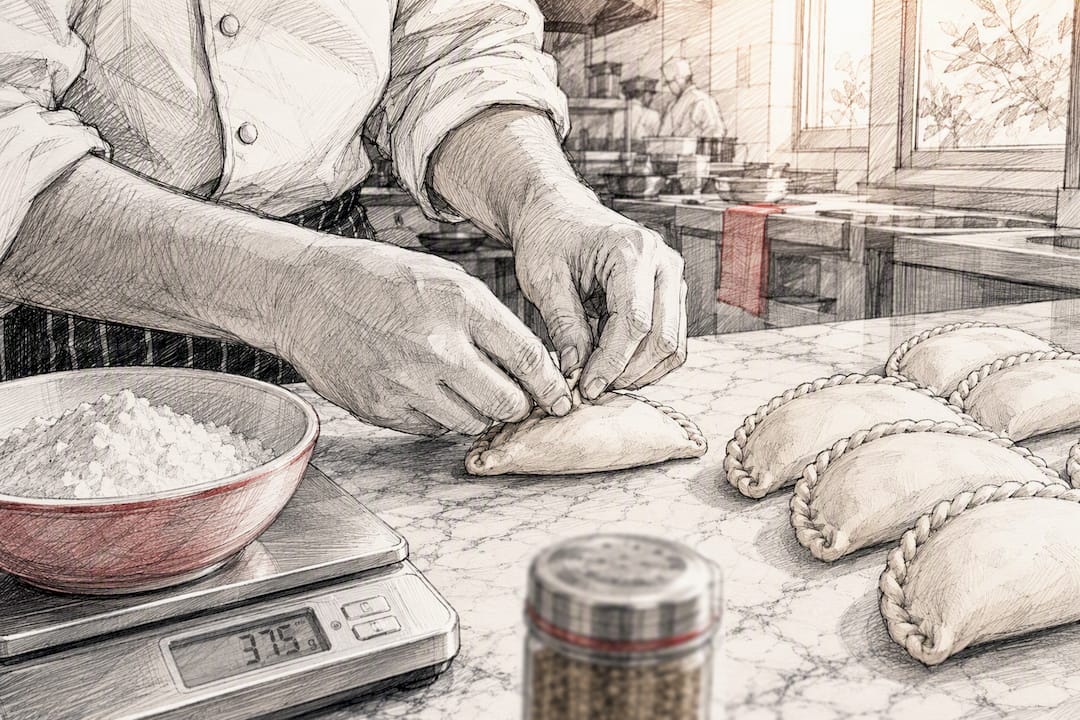
Staffed events push minimums higher for a structural reason, not just a greedy one. A server, a chef, or an equipment technician can’t be booked for half a shift, and their skills don’t scale down for a smaller guest list the way a menu item can. That’s a big part of why plated or staffed catering minimums often run an order of magnitude above a simple drop-off order.
Specialist menus add another layer. Dietary-specific catering (coeliac-safe, low-FODMAP, kosher) usually means separate prep areas and dedicated ingredients, which justifies a higher floor even for a modest guest count.
Many caterers now build tiered minimums into their pricing on purpose. A drop-off or appetiser-only tier might sit at $150 while a full-service tier starts at $800, letting the same business capture smaller jobs without losing money on the big ones.
Pro Tip: Ask which tier your quote falls into before you negotiate the total. Shifting from a staffed tier to a drop-off tier can cut the minimum by hundreds of dollars without changing the food itself.
How to meet or avoid a catering minimum
If your order sits below the floor, you’ve got more room to move than most people realise. Work through these options roughly in this order:
- Switch to pick-up. It almost always carries the lowest minimum because it removes delivery labour and vehicle cost entirely.
- Choose platter or boxed menu options instead of a per-person buffet. Platters are priced as single items, so two or three platters can clear a dollar minimum that a small headcount never would.
- Combine orders with another team or household heading to the same event or office. Two small orders merged into one delivery often clears the floor with room to spare.
- Book an earlier, non-peak delivery window. Some caterers drop their minimum for off-peak slots because it fills otherwise quiet kitchen time.
- Ask for a reduced-service package rather than assuming staffed service is your only option. Many caterers will quote a lighter drop-off version of a menu you’ve seen priced as full-service.
When you call or email, be specific: ask whether the minimum is on food value or delivery fee separately, and whether swapping a premium item for a simpler one brings the order under the threshold without losing the headcount you need. It’s also worth asking if you can supplement the order yourself, bringing your own drinks or a shop-bought cake, since some caterers will happily quote food only and let you fill the gaps.
What to expect on lead times, guarantees and cancellations
Most caterers ask for 24 to 48 hours’ notice on standard orders, and treat anything shorter as a rush job with its own surcharge. Institutional caterers formalise this further: final guest numbers are often locked in several days ahead of the event, and billing is based on whichever is higher, the guaranteed count or the number actually served. That single rule catches a lot of first-time organisers off guard, because it means cutting numbers late doesn’t automatically cut the bill.
Universities and large institutions commonly layer in deposits, cancellation windows, and explicit rush fees for orders placed with short notice, and if you’re booking through a campus venue in Australia, checking that institution’s own catering page for its minimum and lead time rules is worth the five minutes it takes, since policies like those published by the UTAS University Club vary by campus.
Delivery fees, weekend surcharges, and GST are usually itemised separately from the food total, so the number you see on a menu page is rarely your final bill. A few line items worth checking before you sign off:
- Delivery fee versus minimum spend (they’re not the same thing)
- Whether GST is included or added at checkout
- Deposit amount and whether it’s refundable
- Cancellation window and any no-show charge
Practical tips from Senor Empanada on stretching small orders
We build our own catering menu around exactly this problem: good food for a small group without paying a full-service price. Pairing a platter of empanadas with a simple side, a fresh salad or corn arepas, keeps the per-person cost down while the plate still looks generous.
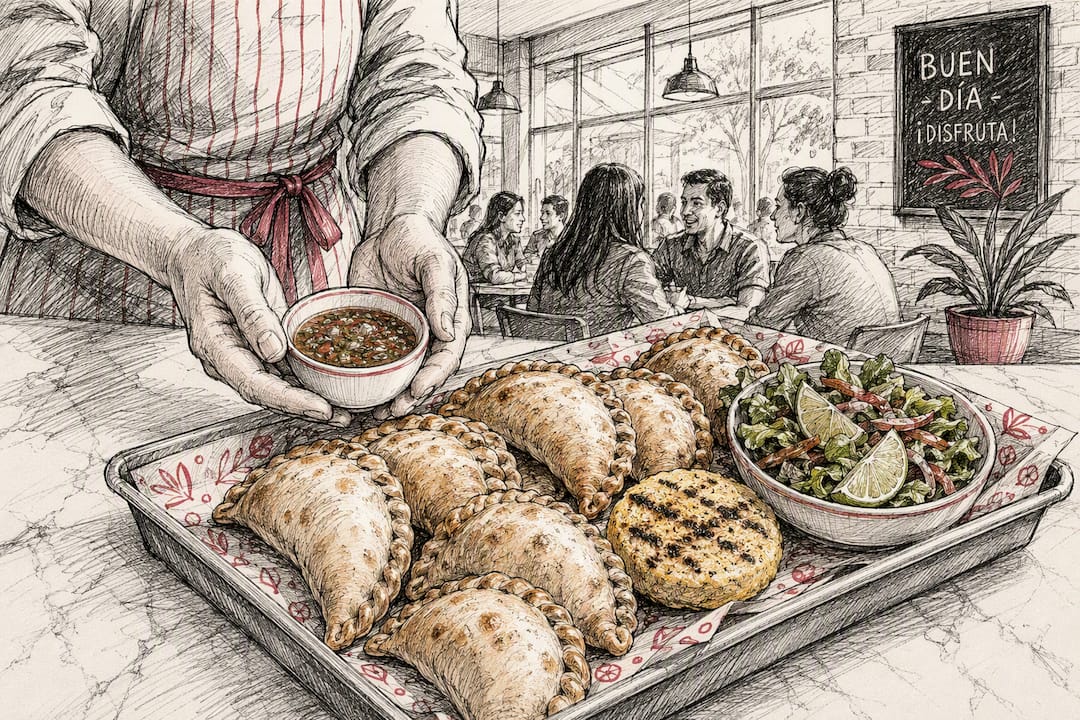
Our small-order packages are built around platter sizes, not headcount minimums, so a dozen guests can order the same quality as a hundred. If you’re feeding an office rather than a formal event, our office catering ideas show how far a mixed box goes without staffing a buffet.
Reheating matters more than people expect for drop-off events. A few minutes in a hot oven, never a microwave, keeps the pastry crisp instead of soggy, and our reheating checklist walks through timing for exactly this.
What happens if you don’t meet the minimum
Falling short of a caterer’s minimum rarely means the order gets cancelled outright, but it does almost always cost you something. The most common outcome is a flat shortfall fee, sometimes called a small-order fee, added to bring the invoice up to the minimum regardless of what you actually ordered. In effect, you pay for the floor whether you use it or not.
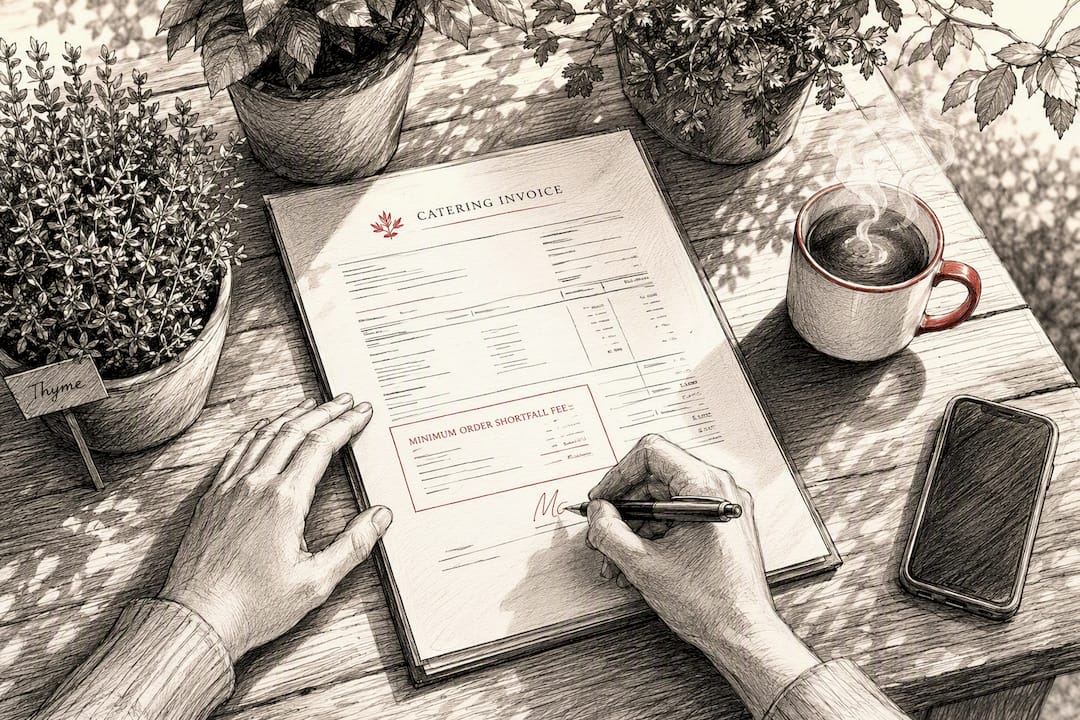
Some caterers instead charge an inflated delivery fee for orders under the threshold, which can add $20 to $50 or more depending on distance. Others simply decline the booking and suggest pick-up instead, particularly for delivery-only kitchens working tight delivery windows.
Where it gets trickier is guaranteed guest counts. If you’ve confirmed a headcount with a staffed caterer and the final number drops below what triggers their minimum, you may still be billed at the guaranteed rate rather than the lower actual number, echoing the guarantee-based billing common in institutional catering. Cancelling entirely once you’ve paid a deposit rarely gets that deposit back, particularly inside the final 48 to 72 hours before an event.
The upshot: it’s almost always cheaper to ask for a smaller-format solution, like platters or pick-up, than to accept a shortfall fee on a full order you were never going to fill.
How minimums shift by catering style and cuisine
Corporate catering tends to run tighter, more predictable minimums because it’s repeat business. A weekly office lunch client might negotiate a lower floor in exchange for consistent, recurring orders, something a one-off event can rarely access.
Casual catering, think barbecues, kids’ parties, or casual office spreads, generally carries the lowest minimums in the market because the food itself is simpler and rarely needs plated service. This is where boxed and platter formats do the most work, letting a modest budget still look generous.
Formal events sit at the other end. Weddings, galas and seated corporate dinners almost always carry the highest minimums because they combine staffed service, specialist menus, and often rental equipment in one booking. It’s not unusual for formal catering minimums to be several multiples of a casual drop-off order for the same guest count.
Cuisine type plays a smaller but real role. Menus built around fresh, made-to-order items, like empanadas assembled and fried close to service, sometimes carry slightly higher minimums than pre-packaged sandwich platters, simply because the kitchen time per item is higher. That’s less about the cuisine being exotic and more about how labour-intensive the individual dish is to prepare well.
Do catering minimums differ by region?
Yes, and the gap can be significant even within the same country. Inner-city caterers often set lower dollar minimums but tighter delivery zones, because they’re working with smaller kitchens and shorter drive times. Regional and outer-suburban caterers frequently do the opposite: a higher minimum spend that reflects longer travel and thinner local competition.
Local market expectations shape this too. In areas with a dense concentration of catering options, businesses tend to keep minimums competitive to win volume. In markets with fewer providers, minimums can sit higher simply because there’s less pressure to undercut a rival down the street. If you’re planning an event outside a capital city, it’s worth asking early whether the quoted minimum already accounts for travel, or whether that’s a separate line item.
How minimums shape what customers think a caterer is worth
A minimum does more than set a floor. It signals how the caterer positions itself in the market. A business advertising a $100 minimum for pick-up reads as accessible and casual, while one starting quotes at $1,500 for staffed service signals a premium, full-experience offering, regardless of whether the food itself is meaningfully different.
This matters for value perception because customers often judge a caterer’s quality partly by its pricing structure before they’ve tasted anything. Publishing clear minimums and notice windows online reduces wasted enquiries and speeds up the booking decision, because customers can self-select into the right tier before they ever pick up the phone. A caterer that hides its minimum until the quote stage risks looking evasive, even if the eventual number is perfectly reasonable.
For organisers, the practical lesson is to treat a low minimum with the same scrutiny as a high one. A very low floor sometimes means smaller portions or thinner ingredient quality to protect margin, while a higher minimum can reflect genuinely better sourcing or more generous serves. The minimum is a starting signal, not the full story.
When caterers will waive or adjust a minimum
Minimums aren’t always fixed in stone, and several circumstances commonly see them relaxed. Off-peak booking is the most reliable lever: a weekday lunch order during a quiet trading period is far more likely to get a discretionary discount than a Saturday evening slot.
Repeat and recurring business is another common exception. Corporate clients who commit to a standing weekly or fortnightly order frequently negotiate a lower minimum than a one-off customer would ever be offered, because the caterer values the predictability over the individual order size.
Charity events, local schools, and community fundraisers sometimes receive waived or reduced minimums as a goodwill gesture, though this varies enormously by business and isn’t something to assume without asking directly. Combining multiple smaller orders under one delivery slot, effectively bundling several customers into a single run, can also get a caterer to bend on the floor since it doesn’t cost them anything extra in labour or fuel.
Finally, some caterers will waive a minimum entirely in exchange for a less convenient pick-up time or a slightly longer delivery window, essentially trading your flexibility for their discount. It rarely hurts to ask what would need to change on your end to bring the number down.
Why the standard advice on minimums misses the point
Most guidance on catering minimums treats the number as a fixed obstacle to work around. That’s backwards. A minimum is a negotiation opening, not a locked gate, and the organisers who get the best outcomes are the ones who ask what’s driving the figure before accepting it at face value.
The conventional advice, “just order more to clear the minimum”, often produces waste: extra trays nobody eats, a bill inflated for food that ends up in the bin. The better move, based on how minimums are actually structured, is to change the service level rather than the order size. Dropping from staffed to drop-off, or from buffet to platters, usually closes the gap for less money than padding the order ever would.
What we’d prioritise first: ask exactly which type of minimum you’re quoted against, dollar value, guest count, or per-person floor, because that single answer determines which tactic actually works. Everything else, from timing to menu swaps, follows from there.
— Senor Empanada
Small orders, real Latin flavour, no staffed-event price tag
Senor Empanada is built for exactly the gap this article has been describing: the order that’s too small for a full-service caterer but still deserves proper food. Our catering menu runs on platters and boxed formats rather than a steep guest-count floor, so a dozen colleagues or a backyard birthday gets the same Traditional Beef and Cheesy Empanadas as a hundred-person event, without the staffed-service markup.
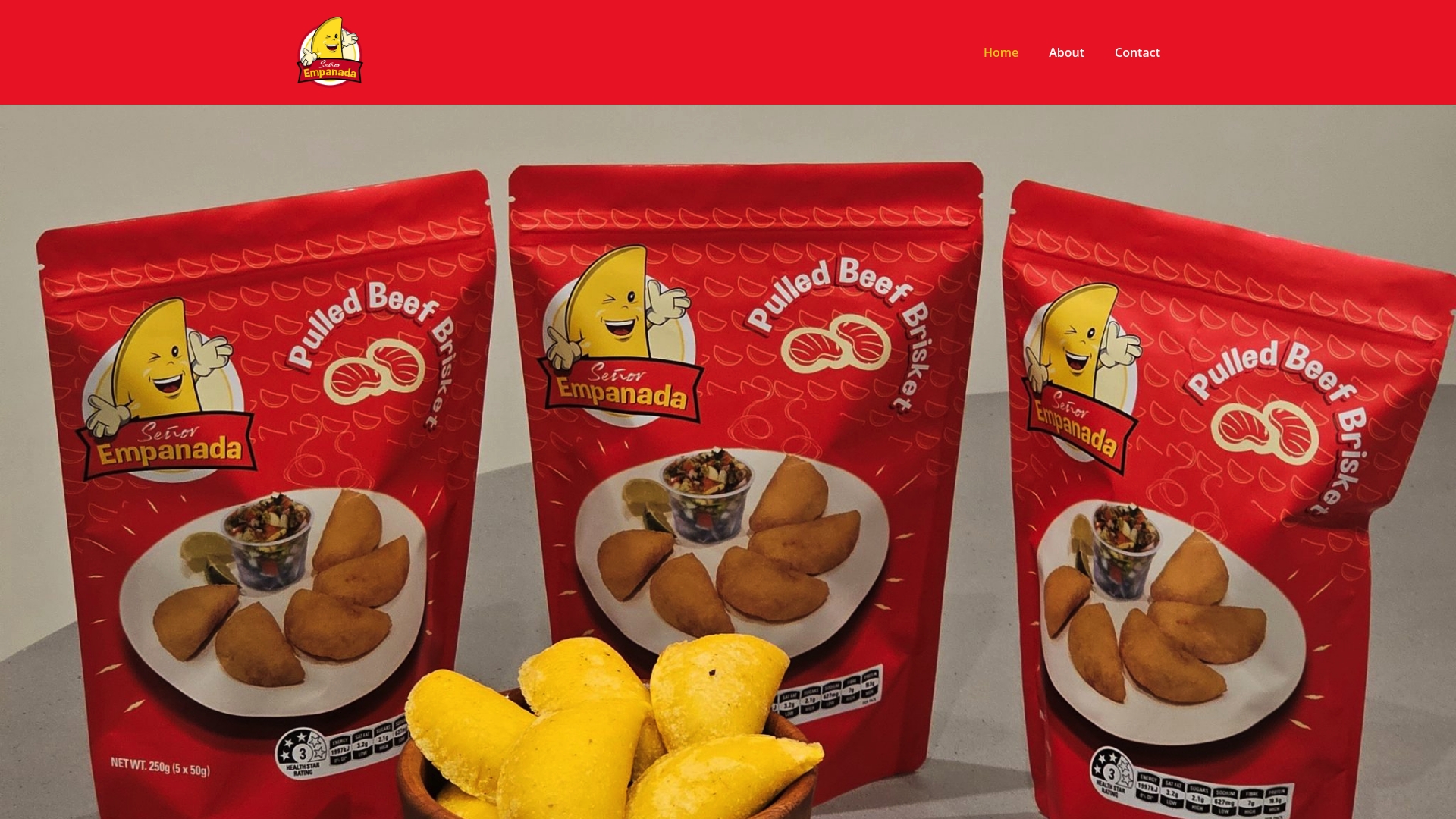
If you’re planning something smaller, our kids’ party snack packs and platter options are priced to suit modest headcounts from the outset, not scaled down from an enterprise minimum. Check current platter sizes and delivery windows on our site and get a quote for your date before you settle for a shortfall fee somewhere else.
Sources
- Catering service fees explained: order minimums, costs, and more
- Catering Minimum Order Policy: Set the Right Floor Without Losing Clients – Cynthia Concierge
- Guidelines: IU Catering
FAQ
How many platters do I need for 40 people?
As a rough guide, plan on one large platter per 8 to 10 guests for a shared-plate style event, so a small group typically needs four to five platters depending on how many other dishes are on the table.
How do I cater for 50 people cheaply?
Choose pick-up over delivery, stick to platter or boxed formats instead of a staffed buffet, and combine a smaller number of larger platters rather than many small trays, since each platter’s fixed prep cost is spread over more guests.
How many full trays of food for 25 guests?
For a modest guest count, two to three full trays is usually enough when paired with sides or bread, though exact quantities depend on whether the event is a full meal or a lighter appetiser spread.
How do I feed 50 guests cheaply?
Lean on pick-up, ask about a reduced-service package instead of assuming staffed catering is required, and mix in lower-cost items like Senor Empanada’s platter and boxed options to keep the per-head spend down without sacrificing flavour.
Do all caterers have a minimum order?
Most do, because minimums cover fixed costs like transport, packaging and staff time that don’t shrink with a smaller order, though the exact threshold varies widely by business and service type.